


 English
▾
English
▾
English
▾
English
▾
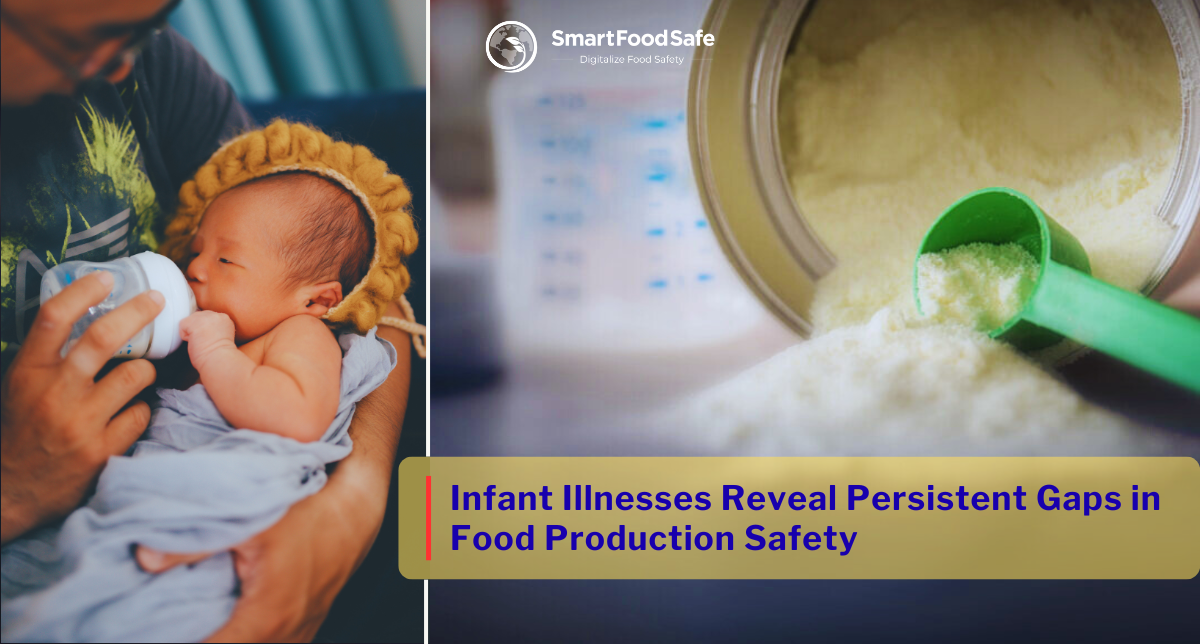
What if the product parents trust the most became the one that put their newborn at risk?
Infant formula is one of the most sensitive and safeguarded foods in the industry, a lifeline for babies at their most vulnerable. So the recent rise in infant botulism cases linked to powdered formula has sent a shockwave through public health teams, parents, and manufacturers alike.
Because this incident wasn’t just about a single recall, it exposed serious cracks in how dry-mix food is manufactured, monitored, and controlled. Below is a clear guide for why infants are so vulnerable, a short history of the microbe involved, and the urgent lessons every food processor must act on now.
Babies aren’t small adults. Their stomach acid is weaker, their gut bacteria are still developing, and their immune systems aren’t fully formed. That combination makes it much easier for certain hardy bacterial spores to survive digestion, take hold in a baby’s gut, and produce dangerous toxins there. Because of this, items meant for infants, particularly non-sterile powdered products, need the strictest environmental control and monitoring.
A cluster of infant botulism cases was reported across the U.S. Investigators found that several affected infants had consumed powdered infant formula and a significant portion of them had consumed the same brand.
Even though the brand involved produces a very small share of formula in the country, they appeared disproportionately frequently among the sick infants.
This signals a possible issue either in:
Testing also found Clostridium botulinum, the bacteria responsible for botulism, in a used can of formula from one of the affected households.
The investigation is still ongoing.
But for manufacturers, regulators, and even the general public, the message is already loud and clear:
If environmental contamination can reach infant formula, it can reach any food product unless preventive controls are airtight.
The culprit is Clostridium botulinum, a spore-forming bacterium that can produce botulinum neurotoxin, one of the most potent toxins known. Infant botulism was described in the medical literature in the 1970s, when clinicians discovered that spores swallowed by young infants could germinate in their intestines and produce toxin in-situ. Since then, public health teams and specialized programs have focused on prompt detection and treatment.
Historically, honey is a known dietary source of spores for infants, which is why caregivers are advised never to give honey to babies under 12 months. But spores can also come from the environment, raw ingredients, or contamination in dry-mix processing areas, places that must be controlled to protect infants.
Two facts make this risk especially treacherous for manufacturers:
The human side: how infant botulism appears
In infants, early signs can be subtle, constipation, poor feeding, weak cry, or floppy limbs. If not recognized and treated quickly, weakness can progress to breathing problems. Treatment with botulism immune globulin (BabyBIG®) is available and has improved outcomes dramatically, but early detection and prevention remain paramount.
This incident highlights what food-processing units often overlook:
1. Dry-Powder Environments Are High-Risk
- C. botulinum spores survive easily in dry, powder-heavy areas.
- Hard-to-clean spots (joints, corners, ducts) can hold spores for months.
- Powdered formula lines become contamination hotspots quickly.
2. Environmental Monitoring Was Likely Incomplete
- Sampling plans may have missed the right zones or surfaces.
- Swabbing wasn’t frequent or targeted enough for spore detection.
- Corrective actions were insufficient or inconsistently applied.
3. Spores Are Hard to Detect in Finished Product
- Finished-product tests can miss contamination even across large samples.
- Random can testing doesn’t reliably detect spore presence.
- Only a clean, controlled production environment can prevent contamination.
4. Sanitation Was Not Validated for Spore Control
- Many standard cleaning chemicals don’t kill spore-formers.
- Poorly validated sanitation lets spores survive on equipment and surfaces.
- Residue buildup increases the risk of cross-contamination across batches.
This incident is bigger than infant formula. It’s a wake-up call across the entire food industry, especially for facilities that handle:
Here are the critical lessons every manufacturer should take seriously:
Sampling should cover:
And not just occasionally. Sampling should be routine, random, and aggressive. Manufacturers need to stop treating EMP as a paperwork requirement and start treating it as a survival tool.
Even though this article focuses on manufacturers, parents should also be aware.
Here’s simple advice:
Report any unusual product smell, color, or clumping.
If this outbreak has taught us anything, it’s that food safety is not a routine checklist, it’s a responsibility that begins long before a product reaches a home and long after it leaves the factory floor. When something as essential as infant formula becomes a vehicle for harm, it shakes the very trust families place in the systems meant to protect them.
Every processor, every quality manager, every plant operator must see this incident for what it truly is: a chance to do better, not a moment to assign blame. Strengthening safety controls, modernizing environmental monitoring, and embracing transparent, proactive systems isn’t optional anymore, it’s the bare minimum our most vulnerable consumers deserve.
Because at the end of the day, food safety isn’t an industry goal. It’s a moral duty.
“The safest food is the food we question the most.”
Let this be the moment our industry questions more and protects more.

 French
 Spanish
 Portuguese