


 English
▾
English
▾
English
▾
English
▾
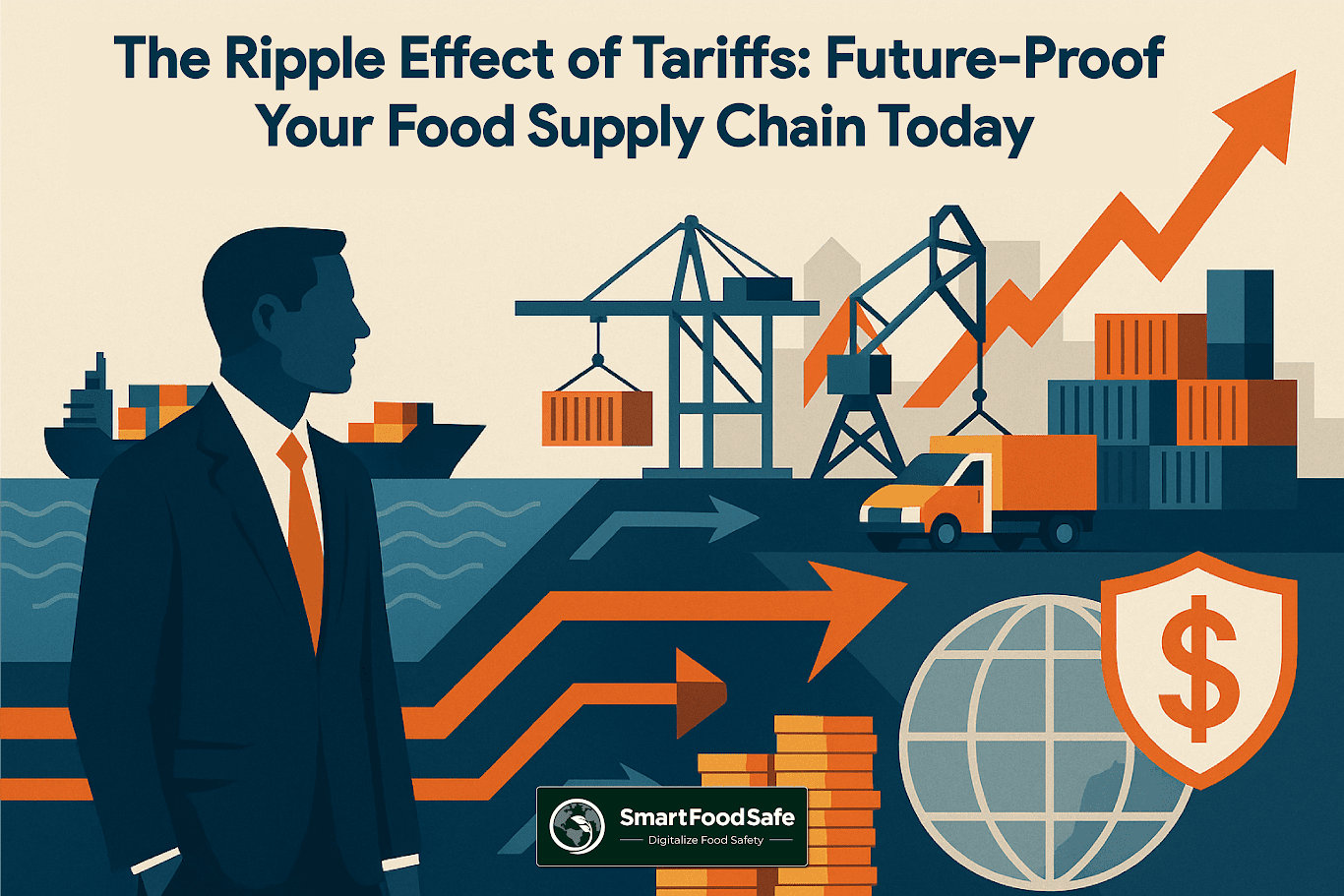
Tariffs have become a powerful force influencing the food and beverage industry’s supply chains, cost structures, and consumer strategies. Tariffs can appear suddenly, bringing with them a host of cost, regulatory, and operational implications. Recent examples, such as potential 25% U.S. tariffs on goods from Canada and Mexico or additional 10% duties on Chinese imports have increased uncertainty across the industry. These trade policies impact not only raw material sourcing but also packaging, equipment procurement, and distribution logistics.
While geopolitical shifts are beyond the control of food manufacturers and retailers, how they respond to these shifts can determine whether they merely survive the tide or ride the wave of change. It evidently urges food businesses to embrace digital transformation and adopt technology platforms that improve visibility, resilience, and adaptability to stand by and weather the storm of rising tariffs and stay ahead. This growing uncertainty underscores the urgent need for food businesses to embrace digital transformation leveraging technology solutions that enhance visibility, build resilience, and enable adaptability to not only weather the storm of rising tariffs but emerge stronger on the other side.
At their most basic level, tariffs are taxes imposed on imported goods, but their effect cascades far beyond customs paperwork. For food and beverage businesses, the effects of tariffs ripple through every layer of operations. Here’s how these ripple effects play out in real terms:
Tariffs force manufacturers to rethink sourcing strategies, from exploring domestic suppliers to modifying formulations and packaging design. And these shifts gradually involve moving away from static processes as they simply would not be able to keep up.
Once the immediate cost and sourcing shocks of tariffs begin to settle in, food businesses face a deeper operational question: How can we keep our supply chain steady and compliant when the rules keep changing?
Delays at customs, rerouted shipments, and congestion at major ports can slow down everything, from raw material arrival to finished product distribution. If you are relying on a single overseas supplier or managing lean inventory, even a short delay can throw off your entire production schedule. This kind of disruption doesn’t just hurt your bottom line, it can damage your relationships with retailers and erode trust with your customers.
That’s why knowing exactly where your materials are, who’s supplying what, and how delays that affect your operations can be remediated has become the need of the hour. This means turning to systems that exemplify visibility into their supply chains to keep better track of shipments and delivery statuses, spot risky supplier dependencies, and mechanisms to act promptly if any supply chain interruptions occur. This level of insight helps businesses plan around disruptions and stay in control when external factors aren’t.
Tariffs also bring another layer of difficulty: regulatory paperwork and shifting trade rules. When a tariff changes, it’s often followed by updates to documentation requirements, labeling laws, or customs processes. For example, a new duty might mean you now need to show more detailed proof of origin for an ingredient or change how you label your finished product for export. If you don’t keep up, your shipment might be held at the border, returned, or fined. And for companies exporting to multiple markets, these rules differ by product type or even by packaging size. Manually keeping up quickly becomes overwhelming, prompting businesses to turn to compliance tracking systems that streamline and simplify the process.
At Smart Food Safe, we recognize the growing strain that today’s trade environment places on food businesses, and we are committed to delivering practical, tech-enabled solutions that help them stay resilient and prepared.
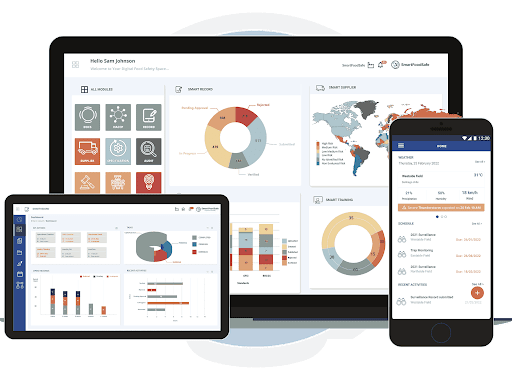
Smart Supplier helps businesses avoid getting caught off guard by giving them full visibility into their supplier network. From tracking supplier certifications to identifying over-dependencies on certain regions or vendors, it allows teams to build a more flexible sourcing strategy.
Smart Docs helps food businesses stay in control of compliance by keeping all regulatory documentation organized, updated, and easy to retrieve. Whether it's responding to changes in import/export requirements or providing proof of compliance during audits, teams can access the right documents when they need them.
Smart Label supports teams in managing label changes efficiently by providing a centralized platform to review, update, and optimize product labels in response to formulation changes, sourcing adjustments, or new regulatory standards. With automation and version control built in, it reduces manual effort and error while speeding up the approval process, ensuring accurate, compliant labels reach the market without holding up product timelines.
With Smart Food Safe, food businesses gain the clarity and control needed to navigate the fluctuations bound to come ahead, understanding their supply dynamics, anticipating potential bottlenecks, and addressing issues before they escalate. Each solution is uniquely built to support active decision-making, ensuring operations stay compliant, responsive, and uninterrupted.
 French
 Spanish
 Portuguese