


 English
▾
English
▾
English
▾
English
▾
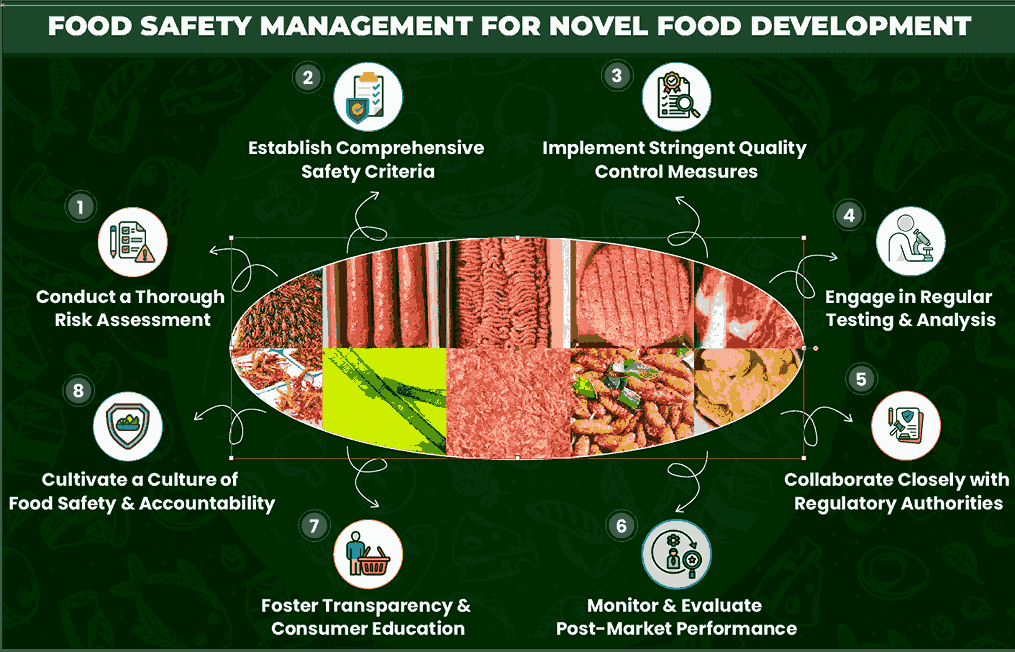
In the dynamic landscape of food innovation, the development of novel foods presents exciting opportunities, yet it also brings forth a multitude of food safety challenges. As novel foods are increasingly entering the mainstream food landscape, driven by advancements in food science, technology, and evolving consumer preferences, these regulatory provisions intend to augment the food industries’ responsibility for ensuring the safety of novel food by strengthening the novel food development and premarket approval processes.
Singapore Food Agency defines novel food as food and food ingredients lacking a history of safe consumption, which can also include substances that are chemically identical to natural compounds but are created using technological methods.
According to the European Commission, novel food refers to food that had not been consumed to a significant degree by humans in the EU before 15 May 1997, when the first Regulation on novel food came into force. ‘Novel Food’ can be newly developed, innovative food, food produced using new technologies and production processes, as well as food that is or has been traditionally eaten outside of the EU.
The relevance of novel food safety involves fostering consumer trust and confidence in the food industry, which is essential for its sustainability and growth. Consuming novel foods that have not undergone thorough safety assessments can pose potential health risks, such as allergic reactions, toxicological effects, and microbial contamination, which may lead to adverse health outcomes and public health emergencies. This can result in increased healthcare costs, loss of productivity, and a strain on healthcare systems, as well as erode consumer confidence in the safety and reliability of the food supply chain. Moreover, the introduction of unsafe novel foods to the market can damage the reputation of food producers and manufacturers, leading to financial losses, legal liabilities, and regulatory sanctions, which can ultimately undermine the competitiveness of the food industry.
A robust regulatory framework for novel food safety encourages innovation by providing food producers and manufacturers with clear guidelines and procedures for developing and introducing new food products. Investing in novel food safety research, regulation, and monitoring is therefore essential for protecting public health, supporting industry innovation, and ensuring the long-term sustainability of global food systems.
The safety of novel foods is paramount, requiring them to be at least as safe as traditional foods and free from dietary risks, which is a task requiring a multitude of factors in consideration. For instance, the range of novel foods and ingredients addressed by the EU regulation is so diverse that using a checklist method for safety assessment is not suitable. Instead, an individualized approach is necessary, considering the composition of the new food, its consumption levels, its role in the diet, and the target audience. The safest method offers a way to focus the safety evaluation on specific nutritional or toxicological concerns related to a novel food.
Detailed information on the novel food’s identity, source, and intended use is crucial to determine its safety profile, with different assessment strategies for biological or chemically derived foods. Comprehensive chemical characterization is vital, considering the complex nature of novel foods, which can be whole foods or complex mixtures. The production process also influences safety, requiring assessment along with toxicological profiles, especially for novel foods lacking usage history.
The following are some basic food safety assessment criteria for novel foods and food ingredients:
1. Declaration of Food Processing Substances: Clearly identify any substances used during production that are not intended to be part of the final product. If these substances pose potential health risks, ensure their presence in the final product is safe under the intended uses and consumption conditions.
2. Customized Testing Strategies: Recognize that testing approaches vary for novel foods. Companies should devise effective testing strategies based on the potential hazards associated with their products. Testing should ideally adhere to Good Laboratory Practices (GLP) and be validated according to international standards such as ISO/IEC 17025 or equivalent. Referenced methods should be cited.
3. In-house Testing: For companies using proprietary testing methods, provide the method details, accreditation status (if available), and validation results to assess the method’s robustness, accuracy, precision, and sensitivity.
4. Addressing Hazard Concerns: Conduct analytical and/or toxicity testing to identify and address potential food safety issues, including chemical, and microbiological hazards, and allergenicity.
5. Novel Food Identity and Composition: Share information about the novel food’s identity, source, and composition, specifying major components and whether the measurements are based on dry or wet mass. A specification list detailing water content, protein, fat, carbohydrates, fibers, vitamins, minerals, and ash is recommended.
6. Purity and Impurity Details: Provide information on the purity of the novel food, expected levels, and identities of impurities such as contaminants, toxins, residual solvents, by-products, or metabolites.
7. Input Background and Safety: Offer background information, characterization, and safety details for all inputs used in novel food production, including potential metabolites, whether intended or unintended. Confirm if inputs are ingredients, and ensure their purity meets Food Regulations or standards from sources like the British Pharmacopoeia, European Pharmacopoeia, JECFA, or Food Chemical Codex.
8. Intended Use and Intake Data: Specify the intended use, proposed levels, and expected intake amounts of the novel food or ingredient. Provide intake estimates based on use levels and actual consumption data. Indicate if the novel food targets specific population groups.
9. Risk Assessment from Inputs and Manufacturing: Demonstrate that hazards from inputs, manufacturing processes, and any side reactions do not pose food safety risks.
10. Toxicity Data: Furnish information on toxicity, covering acute, sub-chronic, and chronic toxicity, carcinogenicity, mutagenicity, reproductive toxicity, developmental toxicity, genotoxicity, and other relevant studies.
11. Bioaccessibility Information: Include data on the bioaccessibility of novel food components during digestion to address safety concerns arising from their release.
12. Allergenicity Profile: Provide details on allergenicity and allergen profiling, including cross-reactivity where applicable.
13. Manufacturing Process Description: Submit a clear description of the manufacturing process, along with food safety management system details. Accepted documentation includes HACCP plans compliant with ISO standards, Good Manufacturing Practices (GMP), and Good Cell Culture Practices (GCCP). Include risk monitoring, mitigation steps, physical parameters, critical control points, and a production flow chart. Address potential sensitization effects due to food handling.
14. Staff Training Records: Present training plans and records for staff members covering food safety, handling, hygiene, aseptic techniques, or cleanroom training as relevant.
All gathered data informs the setting of specifications and the intended role of the novel food in the diet, determining its intake and target population. This process of gathering and analyzing data enables novel food manufacturers to strategically position themselves in the market, and drive successful business outcomes.
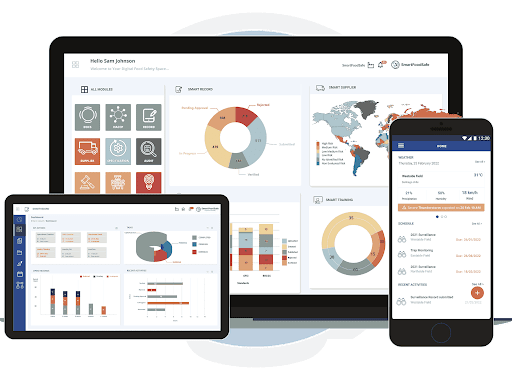
Smart Food Safe showcases a set of highly adaptable software solutions capable of tailoring to the needs of novel food product industries, to uphold compliance with its diverse specific food safety requirements. Our tech-assisted features equip businesses to streamline processes, ensure compliance, prepare for audits, mitigate risks, enhance product quality, and foster continuous improvement across their novel food safety management endeavors through the following tools:
Our automated Document control and Record digitization features of Smart Doc and Smart Record respectively ensure that all essential documentation related to novel food formulations, ingredients, and processes is meticulously managed and easily accessible, facilitating compliance with regulatory standards and best practices.
⇒ Smart CAPA enables timely identification and resolution of any deviations or issues that may arise during the development, production, or distribution of novel foods, ensuring swift interventions to maintain safety and quality.
⇒ Smart Audit’s functionalities help novel food producers demonstrate adherence to food safety protocols and standards during external audits, validating the safety and integrity of their products to stakeholders and regulatory bodies.
⇒ Smart HACCPallows a systematic approach to identifying and controlling potential hazards associated with these unique products, ensuring that risks are effectively managed at critical control points throughout the production process.
⇒ Smart Supplierempowers food businesses to evaluate and monitor the safety and quality of ingredients, raw materials, and packaging sourced from suppliers, ensuring that only safe and compliant materials are used in the production of novel foods.
Allergen and ingredient management features of Smart Specification help in accurately tracking and managing the presence of allergens and specific ingredients in novel foods, reducing the risk of cross-contamination and ensuring that consumers are adequately informed about potential allergens.
Lot tracking and traceability capabilities of Smart Recall furnish transparency and accountability throughout the supply chain, enabling quick and targeted recalls of novel food products in case of safety concerns or issues, thereby minimizing potential harm to consumers and protecting brand reputation.
By offering these advanced features and functionalities, Smart Food Safe gears up novel food producers to proactively manage and mitigate risks, uphold stringent safety standards, and ensure the highest levels of quality and compliance across their product lines.
 French
 Spanish
 Portuguese