


 English
▾
English
▾
English
▾
English
▾


Today is International Coffee Day, a celebration of the beverage that awakens us, sparks our creativity, and encourages conversation. But have you ever considered the incredible journey your coffee bean takes to reach your mug? Through farms, factories, and countless hands across continents, your favorite beer travels a path full of care, attention to detail, and hidden hazards.
You got it right. While we enjoy the aroma of coffee, there is an intangible risk of microbial contamination. Additionally, handling coffee on a daily basis presents a serious risk to food safety and occupational health, so it's not just a taste issue.
Acute illness from properly roasted whole-bean coffee is rare, but the risk rises with Ready-to-Drink (RTD) brews or any product that’s handled or stored improperly—these can carry pathogens that trigger gastrointestinal illness. A larger, more worrying threat is chronic exposure to mycotoxins, especially ochratoxin A (OTA), produced by moulds that can contaminate beans when drying or storage conditions are poor. OTA is chemically stable, can survive processing, and has been linked to immune suppression, kidney damage and in high or prolonged exposures can increase cancer risk. Even everyday equipment can harbor microbes: a 2023 German study found microbial contamination in hospital coffee machines, a reminder that contamination can happen close to the point of consumption. Occupational exposure matters here too; workers inhale dust and mold spores that can cause respiratory allergies, and those same spores can affect sensitive consumers. Strict regulatory frameworks (FDA guidance, EU limits, Codex standards) reduce risk, but they’re not an absolute guarantee if mishandling or inadequate storage occurs.
Workers are directly impacted by inhaling mold-contaminated dust from mills or drying yards, or by breathing in aerosols from wet processing. According to Brazilian case studies, Aspergillus was the most common bacterium found on masks, with bacterial loads reaching 7.45 × 10^4 CFU/m². They are exposed to endotoxins during storage handling, which gets worse in confined areas.
The most common respiratory issues are wheezing, coughing, and hypersensitivity brought on by prolonged inhalation. Ethiopian laborers reported high rates of dust-related injuries and symptoms, such as bronchitis. Contaminated water causes skin irritations and gastrointestinal disorders, which have a severe negative impact on communities and productivity, resulting in financial losses in low-resource areas.
Shield workers with engineering fixes like better ventilation and enclosed systems. Administrative steps: Task rotation, hygiene training, and cleaning routines. PPE is key—respirators, gloves, and eye gear, as in 4C-certified farms. Add health monitoring and safe water access for comprehensive protection.
Good Agricultural Practices (GAPs) on farms stop mold by harvesting and drying crops on time. Plant GMPs prevent cross-contamination, and environmental monitoring identifies problems early. It is mandatory to test high-risk lots for mycotoxins and moisture.
Comply with FSMA regulations and Codex standards, which require HACCP plans for crucial areas like drying and storage. Fast recalls are made possible by traceability, and international compliance is guaranteed by supplier audits.
Maintaining standards in the coffee industry involves more than just avoiding recalls; it also entails preventing microbial contamination that may infiltrate during processing, particularly in light of the growing popularity of cold brew.
Hygiene is the frontline defense against microbes like E. coli, Salmonella, and Listeria, which thrive in moist environments. Recent research from the University of Georgia’s Center for Food Safety shows these bugs can linger in cold brew for 9-12 days if contamination hits early. To counter this:
Water is a silent saboteur in coffee production. Poor quality introduces contaminants right from the start, amplifying microbial risks in wet processing or cold brewing.
In sustainability-focused coffee farming, organic methods like these cut down on synthetic inputs, lowering the odds of chemical-microbe interactions that could foster resistance.
Temperature is a make-or-break factor, especially for low-acid products like cold brew, where room-temp steeping invites trouble.
Food safety thrives on oversight and education, turning potential hazards into managed risks.
| Pillar | Description | Benefit | SFS Module in action |
|---|---|---|---|
| Prevent Contamination at Source | Digitizes vendor checks and bean specs, ensuring low moisture and mycotoxin tests before entry. | Blocks risky beans, cutting microbes/toxins for safer products and workplaces. | Smart Supplier |
| Hygiene in Processes & Environment | Automates swab schedules, maps, and logs, including air/dust tests in milling/grinding areas. | Spots mold/bacteria trends early, fixing ventilation to protect products and workers' breathing. | Smart EMP |
| Fix Issues Quickly | Speeds up root cause fixes after positive tests (microbes, toxins, air quality). | Ensures fast actions like better cleaning or mask use, stopping repeats. | Smart CAPA |
| Validate & Track Everything | Digitally handles key controls (e.g., roast temps, cold brew timing) and links data to batches. | Offers quick audits and targeted recalls, safeguarding consumers and pinpointing worker hazards. | Smart HACCP / Traceability |
| Train Staff Effectively | Tracks and verifies training on hygiene, contamination prevention, and mask use. | Minimizes errors, improving cleanliness for both product quality and worker safety. | Smart Training |
The art of making coffee—the deft hands, vigilant eyes, and silent devotion that transform beans into something magical—cannot be replaced by technology. Rather, it magnifies them, guaranteeing the happiness in your cup while protecting the welfare of people working in factories and fields.
Next time you cradle that steaming espresso or savor your creamy latte, pause for a moment. Let it stir something deeper: gratitude for the unseen stories of resilience, the sweat and smiles that bridge farm to table, and the fragile humanity behind it all.What if each drink served as a reminder of our common duty to value not only the taste but also the lives that are entwined with it?
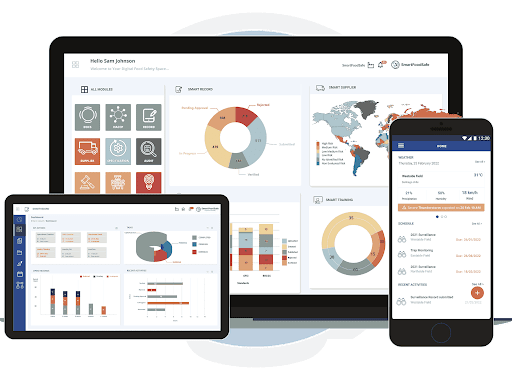
This is where Smart Food Safe excels, promoting worker health, uncompromising food safety, and skilled supervision to guarantee that every brew is not only safe but also infused with sustainability and ethics. This subtle yet significant change invites us to enjoy our coffee with a greater sense of accountability and connection.
Let's raise our mugs on this International Coffee Day to the doers, dreamers, and unsung heroes whose enthusiasm drives the most beloved ritual in the world. Cheers to coffee that uplifts the spirit and honors its creators.
 French
 Spanish
 Portuguese