


 English
▾
English
▾
English
▾
English
▾
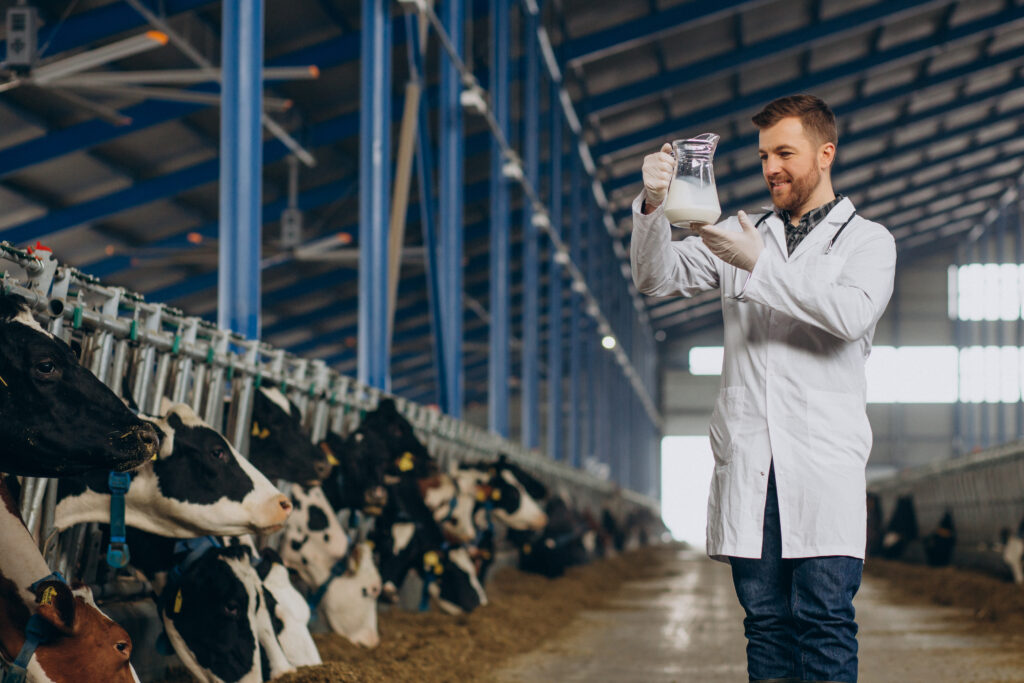
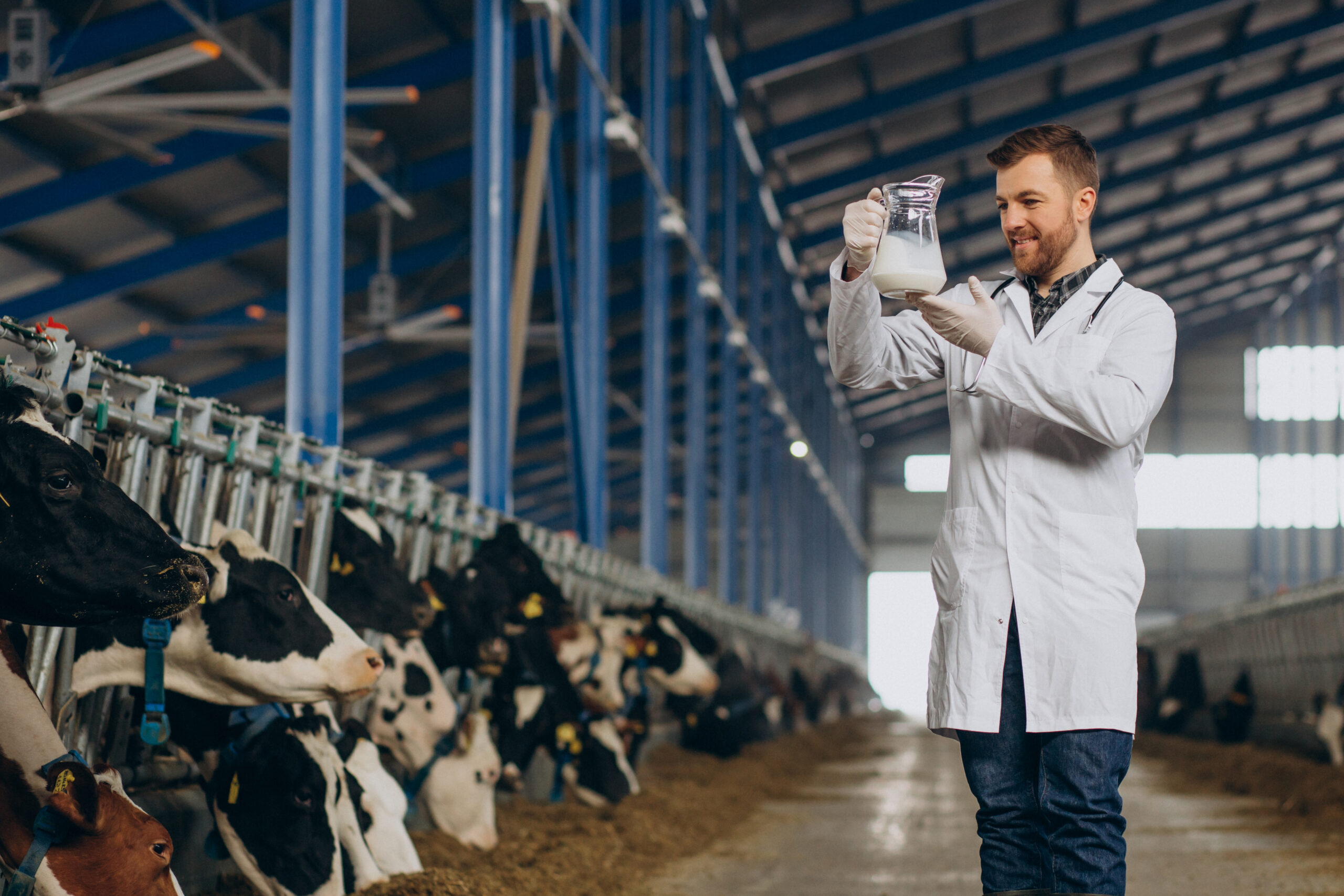
When you pour a glass of milk for your child, or add it to your morning coffee, do you ever stop to wonder what’s inside that creamy white liquid? We think of milk as a symbol of health—packed with protein, calcium, and vitamins. But here’s the catch: the very nutrients that make milk so nourishing also make it one of the most vulnerable foods to contamination.
That’s why food safety in the dairy industry is necessary for protecting trust at the breakfast table, preventing costly recalls, and keeping a global industry sustainable. From the farm to the fridge, every step in the milk supply chain has one mission: to ensure that what we drink truly nourishes us.
Milk is highly nutritious but that also makes it a perfect breeding ground for contaminants. Here are the most common types of contamination that are key to protecting both consumers and the dairy industry
Effective safety begins on farms by ensuring: animal health management, clean water and feed, sanitation of milking equipment, and safe manure disposal to prevent pathogen spreads across animals, environment, and milk.
The dairy industry plays a vital role in feeding the world, but ensuring the safety of dairy products is no small feat. Milk and dairy products, due to their rich nutrient content and perishable nature, provide an ideal environment for microbial growth. This leaves the sector vulnerable to a variety of food safety challenges that can threaten both public health and industry sustainability globally.
Among the top concerns are microbial contaminants such as Listeria monocytogenes, Salmonella, E. coli, and Campylobacter. These pathogens can originate not only from the animals themselves but also from soil, water, feed, and even the dairy farm environment. Notably, Listeria is particularly resilient, able to survive and multiply in cold, moist conditions typical in many dairy processing plants, especially in drains, cracks, and inaccessible equipment areas.
Global dairy supply chains span multiple countries and involve thousands of small-scale farmers, transporters, processors, and retailers. This fragmentation creates hurdles in consistent hygiene, standardized practices, and communication. The extended handling and storage points increase risks of contamination and temperature abuse, jeopardizing product quality and safety.
Additionally, food fraud, including adulteration and mislabeling—especially in high-value products like cheese—further undermines consumer trust and imposes regulatory risks.
Keeping pace with evolving food safety regulations and standards across various regions challenges multinational dairy companies. Regulatory requirements such as those from the FDA, EFSA, Codex Alimentarius, and Global Food Safety Initiative (GFSI) necessitate frequent audits, monitoring, and multi-layered compliance efforts.
Labor shortages, resource constraints, and operational complacency further complicate consistent application of safety protocols, particularly in smaller or resource-limited facilities.
Climate change introduces new safety threats, including increased mycotoxin contamination in feedstocks that can enter the milk supply, presenting health risks. The rise of emerging pathogens and microbial resistance also calls for ongoing vigilance and innovation in safety management.
Food safety challenges in dairy are complex but not insurmountable. Despite the complexity, numerous proven and emerging solutions are transforming dairy food safety worldwide:
The globally-adopted Hazard Analysis and Critical Control Points (HACCP) system identifies critical points in dairy production where hazards could arise and implements controls to prevent contamination before it happens. This framework has become the bedrock of modern dairy safety, helping reduce incidents and enable safe product recalls when necessary.
Technologies like blockchain, IoT sensors, and QR-coded digital labels bring unprecedented transparency and real-time tracking. Traceability systems allow immediate determination of contamination sources or fraudulent batches, speeding up recall processes and reducing consumer exposure. Continuous monitoring and data-driven alerts ensure swift actions to maintain quality along the supply chain.
Global platforms such as the Rapid Alert System for Food and Feed (RASFF) and HorizonScan provide timely information on emerging dairy safety risks, enabling companies and regulators to act cooperatively and effectively against food safety breaches or fraud.
At the core of contamination prevention lies rigorous hygiene protocols at farms and plants. Regular cleaning, sanitation of equipment, and strict animal health management reduce microbial loads. Crucially, well-trained workers equipped with up-to-date knowledge can recognize and correct risky behaviors, avoiding lapses that lead to foodborne outbreaks.
Meeting today’s consumer and regulatory demand, sustainability practices now go hand-in-hand with food safety. Dairy companies track environmental footprints, optimize energy and water use, and uphold animal welfare standards—ensuring the industry’s long-term viability while delivering safe products.
Leading dairy processors adopt a culture of food safety excellence, championed by committed leadership and empowered employees. Predictive analytics, AI-driven risk assessment, and proactive preventive practices are replacing reactive “firefighting,” improving consistency and consumer safety.
Therefore, through integration of science-based preventive controls, modern technologies, continuous training, and global cooperation, the dairy industry can continue to provide safe and high-quality products internationally.
The food safety challenges in the dairy industry and their effective solutions, based on your detailed points:
| Food Safety Challenge | Description | Effective Solutions |
|---|---|---|
| Cross-Contamination | Transfer of harmful bacteria or allergens from one product to another during processing, storage, or transport—especially in multi-product facilities. |
|
| Temperature Control & Spoilage | Dairy products are highly perishable; improper temperature causes spoilage and microbial growth, reducing safety and quality. |
|
| Antibiotic Residues | Improper antibiotic use in animals can leave residues in milk, risking consumer health and contributing to antibiotic resistance. |
|
| Allergen Management | Dairy is an allergen; cross-contact with other allergens (nuts, gluten) poses risks to allergic consumers. |
|
| Chemical Contaminants | Pesticides, heavy metals, and cleaning agents may contaminate milk through feed, water, or equipment. |
|
The dairy supply chain involves numerous small and large stakeholders, including farmers, transporters, processors, and retailers. The lack of standardized data recording, the prevalence of manual processes, and environmental challenges like disease outbreaks and transport disruptions introduce complexity.

In 2019, a European soft cheese producer was forced to recall multiple batches due to Listeria monocytogenes contamination. The root cause was traced to persistent biofilm accumulation on inadequately sanitized processing equipment, a common vulnerability in dairy facilities where pathogens can survive standard cleaning regimens and pose significant risks to vulnerable populations, such as pregnant women, the elderly, and immunocompromised individuals.
Remedial Action & Lessons Learned:
The strategy focused on comprehensive enhancements to hygiene protocols and infrastructure. Central to this was the adoption of an advanced Environmental Monitoring Program (EMP), which incorporated routine swabbing of equipment surfaces, drains, and environmental niches for early pathogen detection using molecular techniques like PCR testing. This allowed for targeted interventions before contamination could spread. Complementing the EMP, the producer invested in hygienically designed equipment, featuring seamless welds, sloped surfaces to prevent moisture buildup, and materials resistant to bacterial adhesion. Automated Cleaning-in-Place (CIP) systems were integrated to ensure consistent, validated sanitation cycles, while staff underwent specialized training on biofilm disruption methods, including the use of enzymatic cleaners and high-pressure rinsing. These measures not only resolved the immediate issue but also reduced overall microbial loads by up to 95% in follow-up audits.
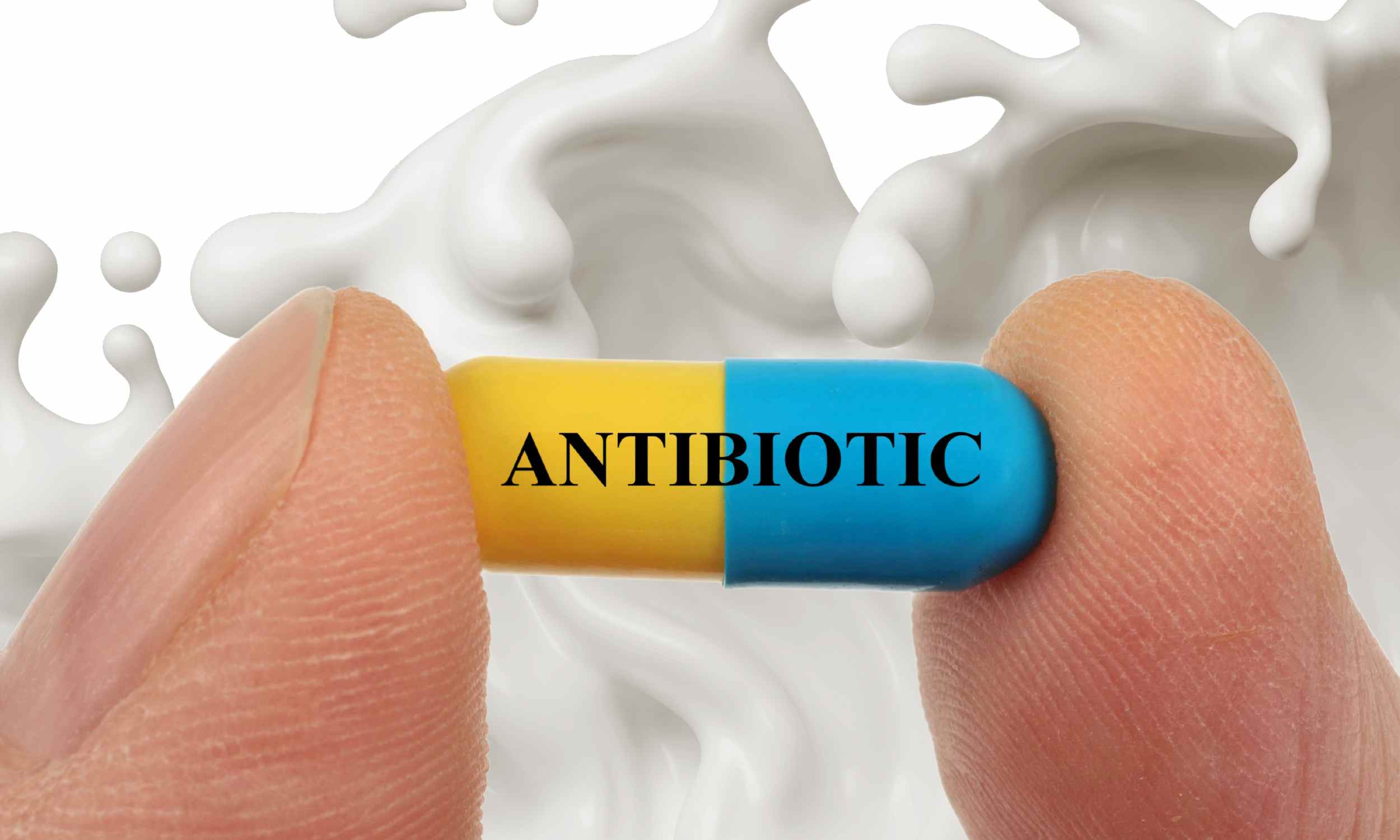
Denmark has long grappled with the dual challenge of maintaining animal health in dairy herds while minimizing antibiotic residues in milk, which can contribute to antimicrobial resistance (AMR) and undermine public health. Overuse or improper administration of veterinary antibiotics risks transferring residues into the human food chain, potentially leading to allergic reactions, disrupted gut microbiomes, and broader resistance issues.
Remedial Action & Lessons Learned:
To address this, Denmark implemented the Danish Integrated Antimicrobial Resistance Monitoring and Research Programme (DANMAP), a multifaceted system promoting prudent antimicrobial use via stringent oversight and data-driven practices. Farmers must keep detailed digital logs of antibiotic treatments including dosage, duration, and animal ID using integrated software for real-time tracking. Milk from treated cows is automatically diverted through segregated systems and tested for residues via methods like ELISA, ensuring compliance with withdrawal periods (days to weeks, drug-dependent) before re-entry. Veterinary prescriptions are regulated tightly, favoring alternatives like probiotics and biosecurity to minimize antibiotic reliance. On-farm audits and DANMAP surveillance drive ongoing improvements, yielding a 2-3 fold drop in antimicrobial use versus conventional methods and virtually eliminating residues in exports. This stringent monitoring and exclusion system dramatically reduced the risk of antibiotic residues entering the food chain. The outcome was twofold: safer milk for consumers and increased trust in Danish dairy exports. The Danish model demonstrates how systematic governance, farm-level accountability, and transparent record-keeping can effectively manage chemical hazards and enhance consumer confidence.
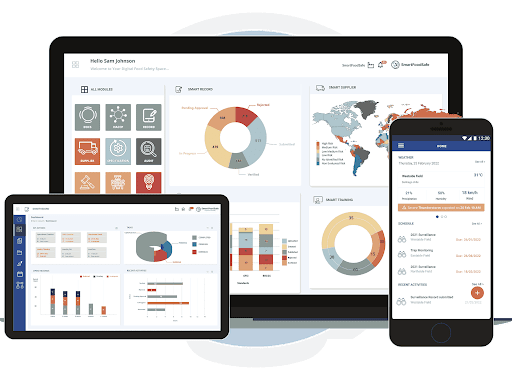
As we've journeyed through the ins and outs of global dairy food safety it's evident that staying ahead requires constant vigilance and smart tools. We've seen how real-world cases along with their grassroots efforts, highlight the need for adaptable, tech-savvy approaches. That's where Smart Food Safe comes in as a true ally for the dairy sector, ensuring transparency across the supply chain, and building consumer trust that lasts. It calls for integrated digital tools that transform how safety is managed at every stage of production. It provides a suite of digital platforms that transform food safety and quality management:
Food safety in the dairy industry, more than a regulatory requirement, is a promise of trust between producers and consumers. The lessons are clear: contamination, residues, and hygiene lapses can quickly erode confidence, while proactive monitoring, traceability, and strong safety culture build resilience. The real shift begins when the industry stops treating food safety as a reaction to problems and starts viewing it as an ongoing, predictive responsibility. By embracing smarter systems, transparent supply chains, and continuous vigilance, the dairy sector can ensure that every drop of milk reaching consumers is not only nutritious, but also safe and trustworthy. In the end, the question isn’t whether dairy can meet today’s safety challenges, it's whether it can transform them into tomorrow’s opportunities.
 French
 Spanish
 Portuguese