French
 Spanish
 Portuguese

Why Blue Means Safe: The Color Code of Food Safety
When you walk into any well-run food facility, you’ll notice something long before you spot a metal detector or a sanitation chart: color.
Not the decorative kind but the purposeful kind.

 English
▾
English
▾
When you walk into any well-run food facility, you’ll notice something long before you spot a metal detector or a sanitation chart: color.
Not the decorative kind but the purposeful kind.

October 2025 served as an alarming indicator of the persistent, complex challenges that the world’s food supply chain faces.
In the food industry, safety is not just about controlling pathogens or following regulations, it’s about protecting the integrity of every product from every possible threat.
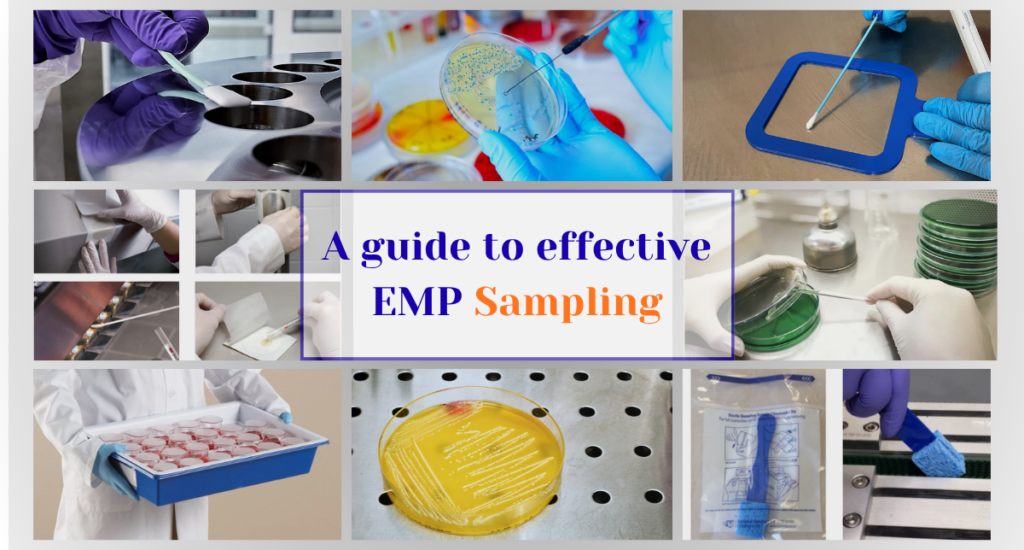
If you’re a food safety professional managing a food safety program, this question might hit close to home. Environmental sampling is one of the most critical tools in your Environmental Monitoring Program (EMP), but even the best programs can produce misleading results if sampling isn’t done right.
Have you ever wondered what truly keeps our food safe — beyond the walls of production plants and the labels we trust?
As we mark World Standards Day 2025, themed “A Shared Vision for a Better World,” we’re reminded that food safety is not built in isolation — it’s built on partnerships and shared standards.
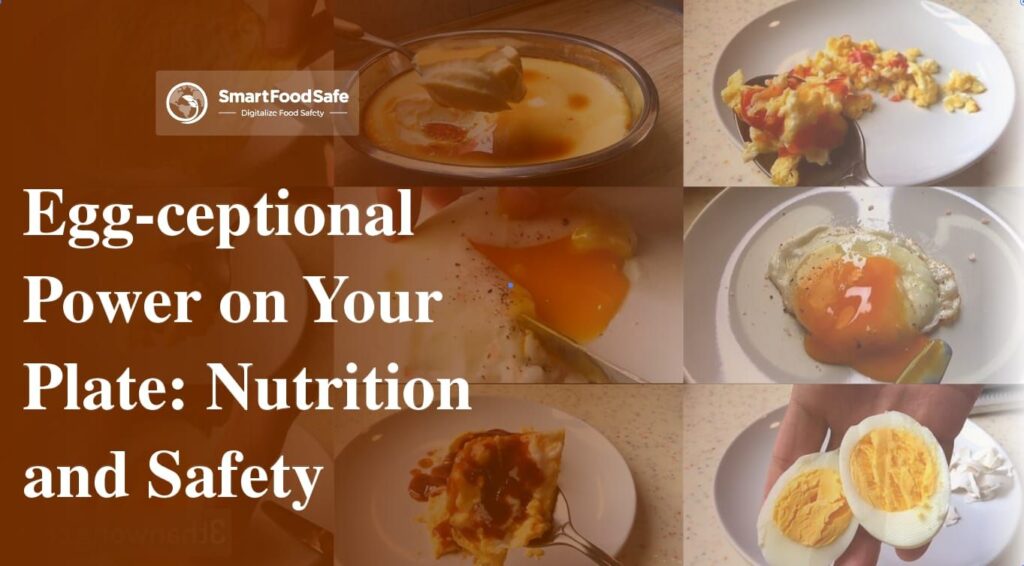
There’s something quietly comforting about cracking an egg on a Sunday morning, with the sound of the shell clicking, the golden yolk sliding into the pan, and the aroma of warmth filling the kitchen. Eggs have a way of uniting people, whether it’s through the comfort of a late-night omelet or the nostalgia of a family breakfast from childhood.
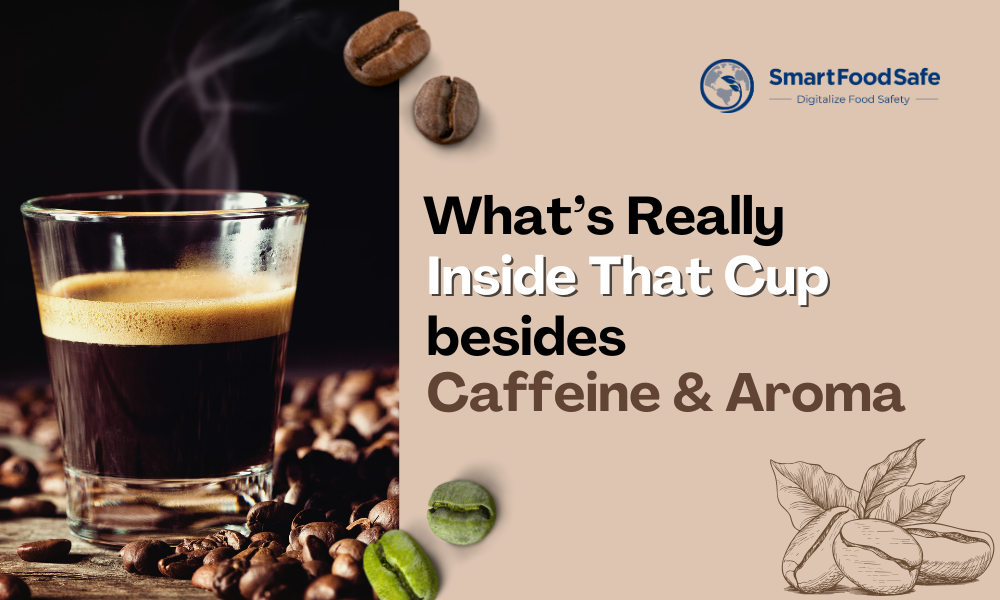
Today is International Coffee Day, a celebration of the beverage that awakens us, sparks our creativity, and encourages conversation. But have you ever considered the incredible journey your coffee bean takes to reach your mug? Through farms, factories, and countless hands across continents, your favorite beer travels a path full of care, attention to detail, and hidden hazards.
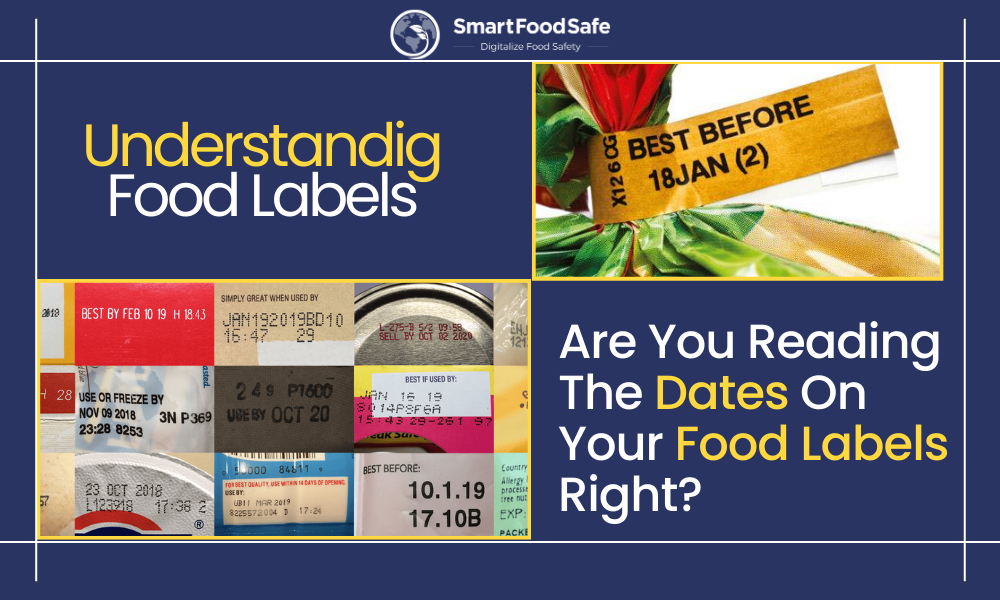
Have you ever glanced at the date on a package, sighed, and dumped the food into the bin? Bread, milk, rice, canned goods, all tossed in an instant, not because they were spoiled, but because the label suggested their time was up.

A rigorous analysis of 15 years (2007–2022) of the European Anaphylaxis Registry has revealed that seafood is an increasingly important cause of food-triggered anaphylaxis and that shellfish are the dominant driver of this rise.
They say seeing is believing but when you pick up food, you can’t see the hands that prepared it, the checks that kept it safe, or the care that went into every step before it reached you.