


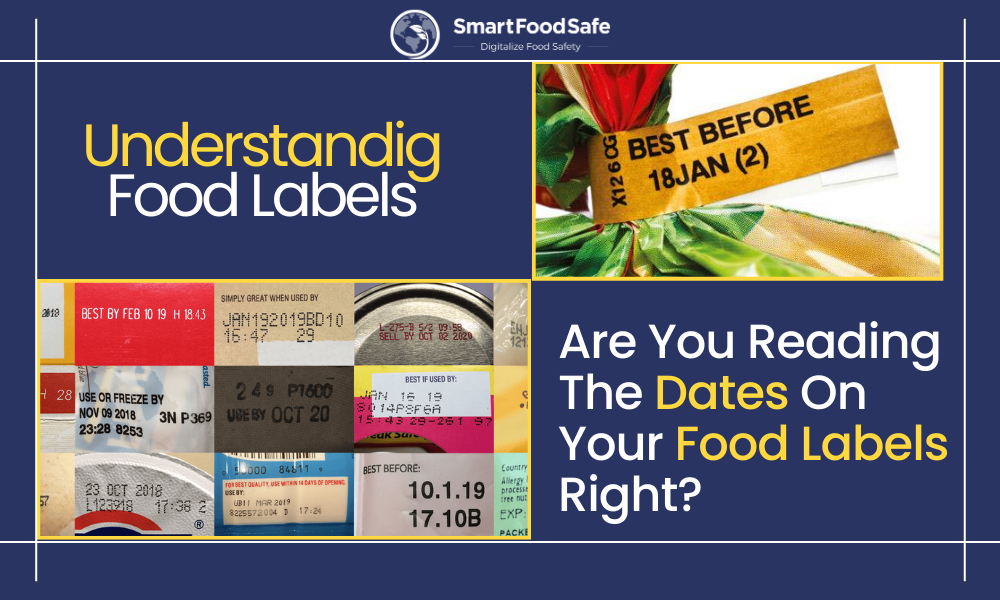
Have you ever glanced at the date on a package, sighed, and dumped the food into the bin? Bread, milk, rice, canned goods, all tossed in an instant, not because they were spoiled, but because the label suggested their time was up. Multiply that small act by millions of households, and suddenly it’s not just about one loaf or one carton. It’s a global story of waste and hunger, unfolding quietly in kitchens and markets every single day.
But here’s the thing: those little stamps on our food don’t always mean the same thing. Best Before isn’t the same as Use By, and neither means exactly what most people think. Some dates speak to quality, others to safety, and some are only meant for retailers, not consumers at all.
In reality, these labels vary across regions.
– In the U.S., only infant formula has a strict “Use By” date; elsewhere, dates mostly refer to quality rather than safety.
– In the EU, “Use By” means safety for perishables, while “Best Before” marks longer-lasting foods.
– Many countries in Africa and Asia use mixed systems influenced by either U.S. or European standards.
Food Date Labeling: Indicators of Safety, Quality, or Both?
The truth is, food dates can signal both safety and quality but most often, they’re about quality.
“Use By” is the real safety marker, mostly on highly perishable foods. Marking the point after which eating the product could be risky.
“Best Before” and “Best If Used By,” on the other hand, are about quality instead—freshness, flavor, texture, and overall quality. Past the date doesn’t mean unsafe; it just might not taste its best.
Types of Food Date Labels (and What They Mean?)
Food packaging comes with a mix of date labels — some for stores, others for consumers. Here are the most common ones:
- Sell By / Display Until — A guide for retailers indicating how long to display the product for sale.
- Best Before / Best If Used By — Suggests when the product will be at its best flavor or quality.
- Use By — The last date recommended for the use of the product while at peak quality; often the closest to a safety deadline for perishable foods.
- Expires On — Indicates the date after which the food is not recommended to be consumed, usually applies to baby formula, medications, or highly perishable items.
- Pack Date / Frozen On — The date when the product was packed/frozen; helps calculate freshness but is not a safety indicator.
- Freeze By — Best time to freeze for top quality.
- Open By / Consume Within X Days — Tells you how long it’s good once opened.
How to Read Food Date Labels?
Food labels can feel like a secret code, but once you know what to look for, they’re much easier to understand. Start with the exact wording. “Use By” isn’t the same as “Best Before.” As stated earlier, one is about safety, the other about quality and that difference really matters.
Next, take a close look at the storage instructions printed near the date. They’re not just filler text, they’re key to making sense of the label. For example, if the package says “Keep refrigerated at ≤4°C/40°F” but the food has been sitting out on the counter for half the afternoon, that printed date suddenly becomes unreliable. The product may spoil faster than the label suggests, regardless of what the calendar says. Proper storage is what gives those dates meaning. A milk carton kept consistently cold in the fridge will likely last right up to or even a little beyond its Best Before date.
Packaging is another major factor in how long food stays safe and tasty. Foods that are vacuum-sealed, canned, or packed in aseptic cartons are designed to block out air, light, and bacteria, giving them a much longer shelf life than the same items wrapped in simple plastic or paper. That’s why canned beans can sit in your pantry for months, while fresh ones spoil in just a few days.
But don’t overlook the small print about what happens after opening. Many products are perfectly stable until you break the seal, and then everything changes. A carton of long-life milk or a jar of pasta sauce can sit safely on the shelf unopened, but once opened, they need refrigeration and should be used within a few days.
How Do Manufacturers Set Quality Dates?
Those dates you see on food packages aren’t guesses — they’re the result of testing, observation, and a little bit of regulation. Manufacturers want to make sure their products taste, look, and feel their best for as long as possible, so they run different kinds of studies before printing a date on the label.
- Microbiological testing checks when bacteria, molds, or yeasts begin to grow, even before food looks or smells spoiled.
- Shelf-life trials put foods under controlled conditions to track how flavor, texture, and appearance change over time like when cereal loses its crunch or juice starts to taste flat.
- Packaging studies explore how well containers protect the food. Vacuum-sealed bags or cans keep oxygen and moisture out, while simple wraps or boxes don’t offer the same defense.
- Ingredient stability matters, too. Fats can oxidize and turn rancid, vitamins and flavors fade, and colors lose their brightness as time goes on.
- Regulatory guidance steps in for higher-risk items, such as meat or infant formula, where safety standards are stricter.
How Does Date Labeling Impact Food Waste?
Millions of tons of food end up in the trash each year, not because it’s spoiled, but because of misunderstood labels.
For Example, in South Africa, many supermarkets routinely remove products once they hit their Best Before date even though they’re often still safe to consume. Some chains send these items to food banks before they spoil, but others simply discard them. This practice stems from treating quality dates like safety dates.
Another example where a survey in the UK by surplus food app Too Good To Go found that nearly a third of people said they’ve thrown food away solely because it passed the Best Before date, without checking if it was still edible.
How Food Businesses and Retailers Are Adapting?
Food businesses and retailers play a key role in cutting waste and helping consumers make sense of confusing date labels. Many are already shifting their practices to reduce the amount of good food that ends up in the trash.
- Clearer labels — One of the biggest changes has been moving away from vague terms. Phrases like “Sell By” or “Display Until” often confused shoppers into thinking the food was unsafe. Now, more companies are adopting clearer labels such as Best if used by for quality and pairing it with a note like Not a safety date to make the meaning obvious.
- Dynamic pricing — Rather than letting food sit until it expires, retailers are increasingly discounting products as they approach their Best Before date. This encourages shoppers to buy and use them quickly, preventing waste while still moving stock.
- Smart tech — Imagine packaging that can tell you when food is actually starting to spoil. Some companies are testing freshness sensors and QR codes that change depending on how the food is stored. Instead of a fixed printed date, you’d get real-time updates on how long your food will really last.
- Donation programs — Many supermarkets and manufacturers now donate safe, unsold food to food banks and charities before the date passes. This not only reduces waste but also supports communities in need.
- Portion and packaging innovation — Businesses are rethinking package sizes and formats to make food easier to consume before it spoils. Smaller packs, resealable bags, and single-serve portions help households waste less once a product is opened.
- Education campaigns — Beyond labels and packaging, some retailers are running awareness drives to teach customers what different dates mean and how to check freshness themselves. This helps shoppers build confidence in judging food safety beyond just the printed date.
What Can Consumers Do?
Clearer labels may be on the horizon, but we don’t have to wait for industry or regulators to act. As consumers, we can take simple steps to cut waste and make our food stretch further:
- Learn the lingo — Not all dates mean the same thing. Use By is about safety, while Best Before is about quality. Knowing the difference helps you decide what truly needs to go and what’s still good to eat.
- Store smart — Dates only matter if storage is right. Keep your fridge at or below 4°C/40°F, seal items properly, and don’t leave perishables out too long. Bad storage can ruin food long before its printed date.
- Trust your senses — Labels are guides, not guarantees. Check how food looks, smells, and feels before deciding to toss it. Most of the time, your senses will give you a more accurate answer than the date on the package.
- Plan & portion — Buy what you’ll realistically use, and once opened, finish it before starting something new. Smaller, thoughtful shopping trips often mean less waste in the bin.
- Freeze it — Freezers are one of the best tools against food waste. Bread, meat, leftovers — freezing locks in safety and quality well beyond the printed date.
So, what’s the solution? It’s a three-part strategy that starts with you. First, shop smarter. This means planning your meals, making a list, and sticking to it. A smart shopper buys for the week they have, not the month they imagine. Second, store correctly. Your refrigerator, freezer, and pantry are powerful tools against waste. Storing produce in the right crisper drawer, keeping dairy at a consistent cold temperature, and using your freezer for leftovers or items nearing their date isn’t just neat, it’s a preservation strategy. Finally, and most critically, trust your judgment. We’ve outsourced our common sense to printed dates for too long. Let’s stop being passive victims of confusing labels and start being the generation that makes food waste a thing of the past.