French
 Spanish
 Portuguese
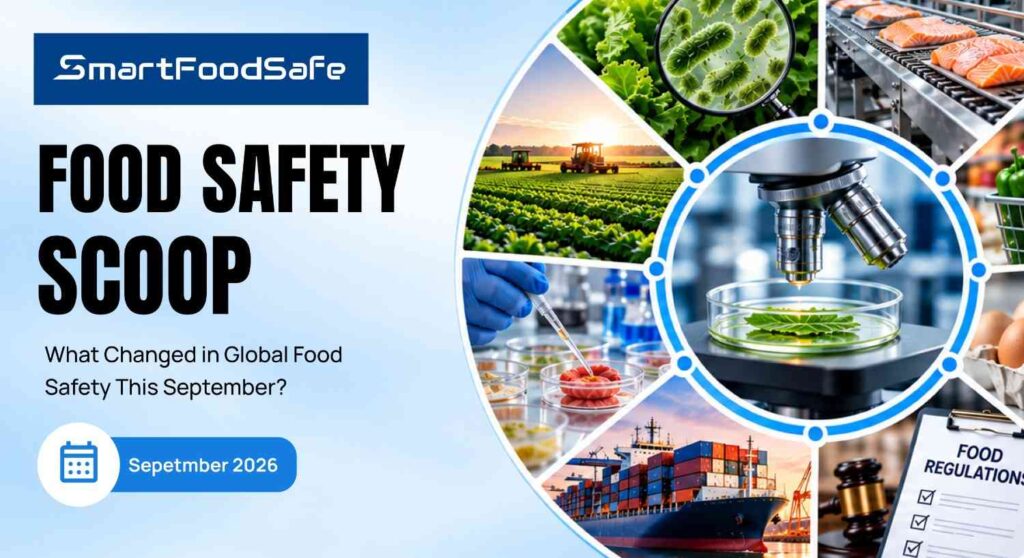
Food Safety News Roundup: September 2026
September 2026 food safety news: outbreaks and recalls, FDA Food Code 2026, digital traceability and AI detection, and what they mean for your business.

 English
▾
English
▾
September 2026 food safety news: outbreaks and recalls, FDA Food Code 2026, digital traceability and AI detection, and what they mean for your business.

Explore the FDA Food Code 2026 changes, key requirements, FSMS updates, and what food businesses should review before new provisions take effect.

Learn how food safety is managed from raw materials and formulation to production, quality checks, food labelling and the final product.
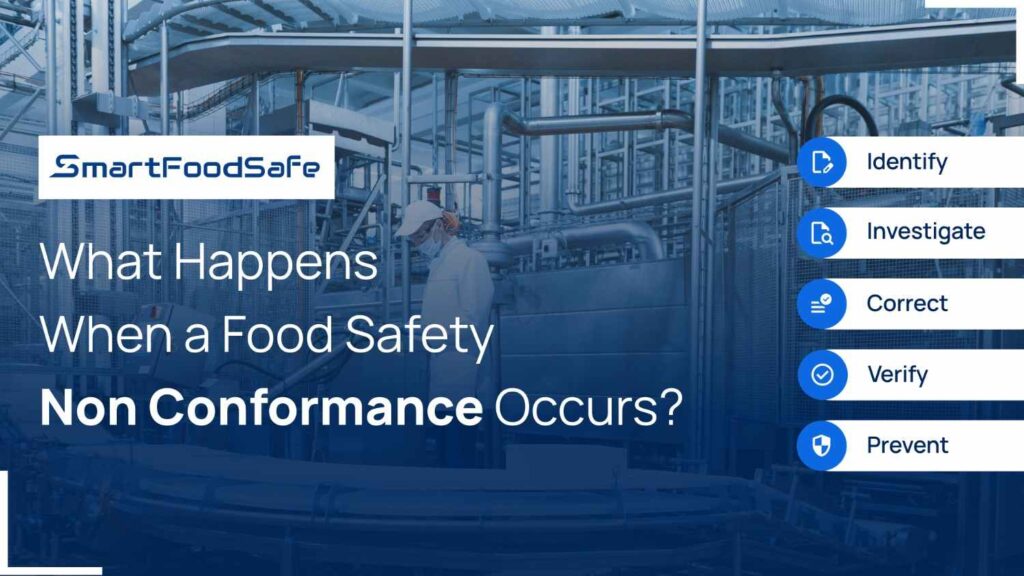
Discover the 5 most common non-conformance management mistakes food businesses make — and how root-cause analysis, CAPA and trend tracking fix them.

Confused about ISO 22000, ISO 22002, and HACCP? This guide breaks down what each food safety standard covers and how they work together.

Learn why food safety rules use zero-tolerance requirements for some hazards and numerical limits for others, and how risk influences these decisions.

Explore the biggest emerging food supply chain risks, including climate disruption, supplier vulnerability, food fraud, and traceability gaps, and how to build resilience.
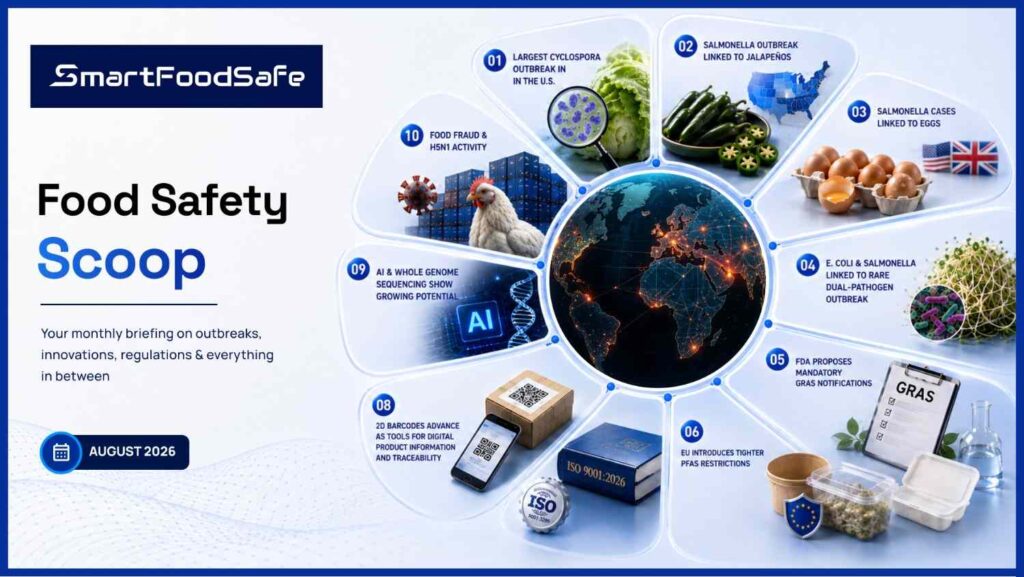
A roundup of August 2026’s biggest food safety developments, the record Cyclospora outbreak, Salmonella recalls, FDA’s GRAS proposal, EU PFAS rules, and more.

ISO 9001:2026 puts quality culture and ethical behavior into the QMS requirements. Learn what auditors look for and how to build it in food manufacturing.
FSSC 22000 Version 7 is here. Learn what’s changed, who it affects, key transition dates, and a 5-step plan to prepare for your upgrade audit.