


 English
▾
English
▾
English
▾
English
▾

Maintaining compliance with regulatory, quality, food safety, and health & safety requirements is instrumental for businesses to uphold their reputation and safeguard public health. Utilizing compliance management tools and audit software streamlines processes, ensuring real-time tracking of regulatory changes, efficient organization of documents, and effective audit monitoring and execution. This approach not only mitigates risks and boosts operational efficiency but also fosters a culture of continual improvement and accountability within the organization.
In 2026, with regulatory requirements becoming more complex in industries like food manufacturing, healthcare, and other regulatory services, selecting the right audit management software is turning into a strategic priority rather than just a compliance exercise.
Internal Audit management software serves as a tool for organizing, executing, and monitoring audits within a company. Its essential functionalities, including audit planning, risk evaluation, document handling, workflow automation, issue monitoring, and reporting, simplify the management of audit schedules, risk assessments, documentation of findings, and report generation. The use of audit management software facilitates a structured and orderly audit process by enabling organizations to properly handle audit responsibilities, monitor advancements, and guarantee adherence to audit requirements and standards.
Internal Audit management software equips organizations seeking to streamline their auditing processes, enhance compliance, and improve overall operational performance. Below are the key purposes of audit management software:
Internal Audit management software facilitates risk assessment by allowing organizations to identify, evaluate, and prioritize risks associated with business processes, systems, and controls. Through risk-based auditing capabilities, organizations can focus their audit efforts on areas with the highest risk exposure and implement appropriate mitigation strategies.
By providing predefined audit templates, checklists, and workflows, audit management software helps standardize audit processes. This ensures that auditors follow consistent procedures, adhere to regulatory requirements, and capture relevant audit evidence systematically.
Audit management software enables organizations to centrally plan and schedule audits, allowing them to efficiently allocate resources and coordinate audit activities across multiple locations, departments, or business units. This centralized approach ensures consistency and standardization in audit planning processes.
With features such as automated scheduling, task assignment, and real-time collaboration, audit management software streamlines the execution of audits. Auditors can conduct fieldwork, collect evidence, and document findings more efficiently using digital tools, reducing manual effort and minimizing errors.
Audit management software provides robust document management capabilities, allowing organizations to store, organize, and access audit-related documents and evidence in a centralized repository. This ensures the integrity and confidentiality of audit documentation while facilitating easy retrieval during audits or regulatory inspections.
Actionable analytics and data-driven insights derived from audit processes, enhancing organizational decision-making and risk management capabilities can be gained from an audit management software. It facilitates the identification of trends, anomalies, and areas for improvement, optimizing audit outcomes and fostering continuous improvement within the organization.
Modern audit management software often integrates with other enterprise systems such as risk management, compliance, and quality management software. This integration allows organizations to leverage existing data, streamline information exchange, and ensure consistency across various governance, risk, and compliance (GRC) processes.
Audit management software produces customizable reports and dashboards offering stakeholders insights into audit discoveries, compliance standing, and performance trends, catering to the distinct needs of internal management, external regulators, or other interested parties. This facilitates informed decision-making by providing trend analysis alongside audit findings and compliance statuses.
In conclusion, audit management software presents a valuable opportunity to automate various audit activities, enhancing effectiveness in the auditing process. By automating manual tasks, standardizing processes, and providing insights into audit activities, this software empowers organizations to enhance their governance practices and drive ongoing enhancement. The contemporary trend of cloud-based audit management platforms liberates audit teams from the constraints of a single device or network. This newfound flexibility allows teams to conduct audit activities across multiple locations.
Here is the summary of key features to look for while choosing an audit management software:
Considering these critical criteria will help you make an informed decision when choosing audit management software that aligns with the specific needs and requirements of your business.
The audit software market has undergone a significant shift over the past two years. Platforms that once provided workflow automation and document management now incorporate AI to handle tasks that previously required skilled auditor time, evidence review, anomaly detection, risk scoring, and audit report drafting.
Key AI capabilities in internal audit management systems:
Automated evidence collection and review: AI-enabled platforms can connect directly to source systems, pull relevant documents and records, and evaluate whether they meet control requirements, without auditors manually requesting and reviewing each piece of evidence. Vero AI and AuditBoard offer this at the enterprise level.
Anomaly and exception detection: Rather than sampling, AI can analyze complete datasets and flag transactions or records that deviate from expected patterns. This is particularly valuable for financial audit teams, where traditional sampling misses low-frequency, high-impact anomalies.
Natural language report drafting: Several platforms now generate first-draft audit reports from structured findings data, reducing the time from fieldwork completion to report issuance.
Risk scoring and prioritization: AI models assess risk across audit areas using historical findings, control test results, and external data, allowing audit teams to focus effort on highest-risk areas rather than rotating evenly through a fixed audit schedule.
What this means for food manufacturers: AI in audit software is most mature for financial and IT compliance auditing. Food safety auditing, which requires physical inspection, sensory evaluation, and contextual judgment, is less amenable to full AI automation. However, AI can meaningfully assist with trend analysis across audit scores, predictive identification of sites likely to have findings, and supplier risk scoring based on historical audit data.
Before comparing software, take stock of the audits your organization conducts. These may include internal audits, supplier audits, compliance audits, regulatory inspections, or food safety audits. Some platforms are designed for financial and risk audits, while others focus on quality and compliance. Choosing software that matches your audit requirements will save time and reduce process gaps later.
Focus first on the capabilities your team relies on every day. Common requirements include audit scheduling, customizable checklists, non-conformance tracking, corrective and preventive action (CAPA) management, and reporting. Additional features such as AI-powered insights, multilingual support, or advanced integrations can be evaluated afterward.
The software price is only one part of the investment. Consider implementation, training, support, and future scalability. A lower-priced solution may become more expensive over time if it requires significant manual work or additional third-party tools.
Audit data often needs to connect with quality management, document control, supplier management, and compliance systems. Software that integrates with your existing tools can reduce duplicate work and help maintain a single source of truth across teams.
A product demo should reflect how your team actually works. Instead of reviewing generic examples, ask vendors to walk through a real audit scenario relevant to your industry. This provides a clearer understanding of how the platform handles planning, execution, findings, corrective actions, and reporting.
Here's our curated list of top audit management software to opt from:

Overview
Smart Food Safe's Smart Audit is audit management software that helps organizations move away from paper and spreadsheet-driven audits. With AI-Integrated capabilities, it simplifies the process of planning, conducting, tracking, and managing audits, creating audit checklists while helping teams stay compliant with regulatory requirements and maintain food safety and quality standards.
Smart Audit helps organizations identify compliance issues before they become larger problems. By automating many of the manual tasks involved in audits, the platform reduces administrative effort, improves consistency, and minimizes the chances of errors. It also makes it easier to track findings, assign corrective actions, and monitor progress, helping teams respond quickly and maintain ongoing compliance across their operations.
Key Features
Pricing: Custom quote. Contact the vendor for pricing and a product demonstration.
Overview
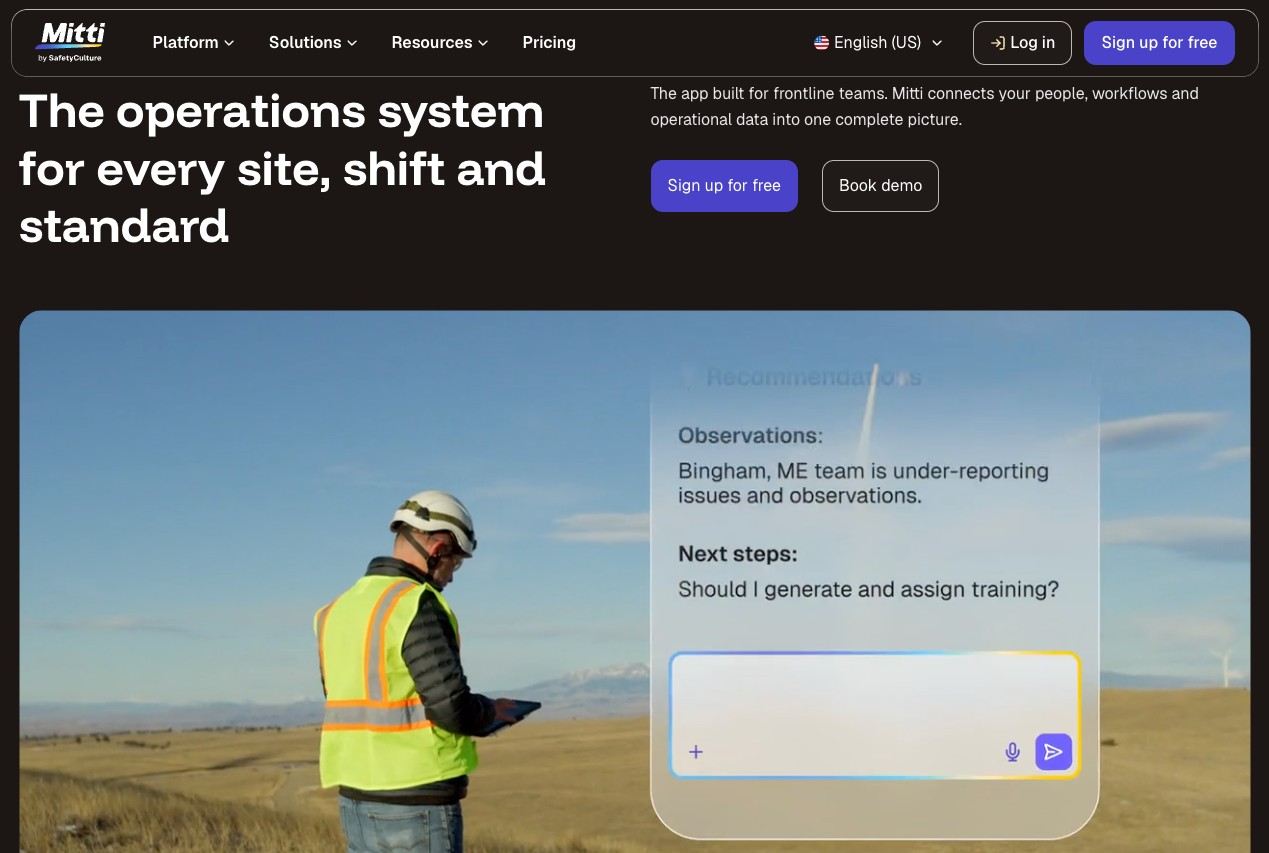
Mitti (by SafetyCulture) is a mobile application tailored for inspection checklists, facilitating checklist creation, report filing, and inspection processes via tablets or smartphones. It caters to diverse industries that necessitate safety audits and inspections. Mitti allows users to capture diverse data types and store audit records digitally, enabling trend analysis over time.
Features
Price: Contact For Pricing

Overview
SAP Audit Management allows you to automate and streamline your internal auditing procedures and ensure that they are as effective and comprehensive as possible. The solution integrates with other SAP software to enhance capabilities, SAP Lumira, for example, is a tool for designing business information graphics and enhances reporting capabilities when used in conjunction with SAP Audit Management.
Features
Price: Contact For Pricing

Overview
AuditBoard's modern connected risk platform is designed to elevate your teams, engage the front lines of your business, and help you leverage risk as a strategic driver. At the heart of their connected risk architecture is a unified data core that centralizes the organization's risks, controls, policies, frameworks, issues, and more.
Features
Price: Contact For Pricing

Overview
Workiva is a document and data collaboration platform that helps teams work together to connect reports and data. It offers a unified Software as a Service (SaaS) platform, which combines financial reporting, audit management, and Environmental, Social, and Governance (ESG) reporting, in a secure environment. The platform created by Workiva simplifies complex reporting and aids in streamlining processes, data synchronization, and team collaboration while maintaining consistency.
Features
Price: Contact For Pricing

Overview
TeamMate+ Audit is a specialized internal audit management platform crafted for leaders of audit teams. With TeamMate+ Audit, you can create a customized audit approach that aligns precisely with your organization's needs. Additionally, it facilitates the dissemination of crucial insights to your stakeholders while promoting collaboration across departments, thereby streamlining the decision-making process.
Features
Price: Contact For Pricing
Overview
Ideagen's Pentana Audit is designed for organizations that need to manage quality, compliance, and food safety audits. It supports ISO standards and food safety frameworks such as BRCGS, SQF, and FSSC 22000, with built-in CAPA tracking to help teams manage audit findings and corrective actions.
Key Features
Price: Contact For Pricing

Overview
Intellect represents an audit management system developed by experienced professionals in the field of quality. While its primary focus lies in serving as Quality Management Software (QMS), Intellect boasts capabilities in standardizing audit protocols and monitoring audit-centric operations. Moreover, it enables enterprises to identify critical process strengths and weaknesses. It is accessible as both a web-based application and a mobile app compatible with iOS and Android platforms.
Features
Price: Contact For Pricing

Overview
Intelex's Audits Management Software application addresses all aspects critical to managing internal and external audit requirements for EHS, quality, and more. From planning audits to identifying nonconformances to the follow-up and tracking of corrective/preventive actions, this user-friendly, cost-effective solution guarantees year-round audit preparedness and substantially improves audit results.
Features
Price: Contact For Pricing

Overview
The audit management software system from MasterControl provides an integrated solution designed to assist companies in effectively managing regulatory audits. Through task automation and adherence to various internal and external standards, this software streamlines the audit planning process, reducing the time and effort needed to successfully pass audits.
Features
Price: Contact For Pricing
We have compared our audit management digital solution against 8 leading audit software companies and here is how Smart Food Safe's Smart Audit stands out:
Customizable Templates and Checklists: Smart Audit enables users to develop templates based on previous audits, streamlining the creation of new audits. Users can generate customized audit checklists before and during the auditing process.
Audit Preparation Tools: The software simplifies audit planning and preparation by allowing easy creation of checklist questions and setting "pass" values. It ensures audits are completed only when all relevant criteria are met and tasks are accomplished.
Scheduling: Users can arrange one-time and recurring audits and receive automated reminders to prevent missing audit deadlines.
Document Support: Smart Audit allows users to attach supporting materials to audits, ensuring all relevant information is stored securely in a centralized digital location.
Audit Management Automation: The software includes automation features to minimize errors, duplication of work, and oversights. It automatically escalates unresolved issues and sends reminders for specific activities during the auditing process.
Voice, Bluetooth, IoT Integration: During audits, users can effortlessly create and manage records with Smart Audit using voice inputs, while Bluetooth and IoT integration enabling automatic data capture from connected devices, sensors, or beacons.
Corrective and Preventive Action (CAPA) Management: The software includes CAPA capabilities in our digital module Smart CAPA to promptly and effectively address audit results, ensuring non-compliances and weak areas are appropriately handled. It simplifies initiating and monitoring corrective actions and documents issue solutions.
Affordability: Smart Audit provides cost-effective subscription-based auditing management software. Users can explore different options, comparing features, customer service, and costs to ensure affordability.
User-Friendliness: Smart Audit boasts an intuitive and user-friendly interface, minimizing the need for extensive training, reducing errors, and facilitating a smooth adoption process across the organization. Additionally, the software provider offers comprehensive training and support.
Offline Functionality: Our software allows users to access and work within the audit management software even without an internet connection, ensuring uninterrupted productivity and data capture in remote or disconnected environments.
Audit management software is a broader solution used to manage different types of audits, including internal audits, supplier audits, quality audits, compliance audits, and regulatory inspections. It helps organizations plan, conduct, track, and report on audits from a single platform.
Internal audit software is designed specifically for internal audit teams. It focuses on managing internal audit programs, risk assessments, audit findings, and corrective actions within the organization. While all internal audit software falls under audit management software, audit management platforms often support a wider range of audit activities.
The best auditing software depends on your organization's needs and industry requirements. For businesses managing quality, compliance, supplier, and food safety audits, Smart Audit is a strong choice because it combines audit planning, customizable checklists, non-conformance tracking, CAPA management, reporting, and AI-powered features in a single platform. It helps teams manage the entire audit process more efficiently while maintaining compliance and audit readiness.
Audit management software can be used for internal audits, external audits, compliance audits, financial audits, quality audits, and more, with customizable audit programs for specific requirements.
Internal audit management software is widely used across industries that operate under regulatory, quality, or risk management requirements. This includes food manufacturing, pharmaceuticals, healthcare, manufacturing, logistics, retail, and financial services. Any organization that needs consistent oversight, traceability, and audit readiness can benefit from using internal audit software, regardless of industry size or complexity.
Yes, many internal audit tools support offline auditing, which is especially useful in manufacturing plants, warehouses, or remote locations. Auditors can complete checklists, capture evidence, and record findings without an internet connection. Once connectivity is restored, the data syncs automatically to the central system, ensuring no information is lost.
Internal audit software is particularly effective for organizations operating across multiple locations. It allows audit teams to standardize checklists, workflows, and scoring methods while still maintaining visibility across all sites. Centralised dashboards make it easier to compare performance between locations, track recurring issues, and ensure corrective actions are completed consistently across the organization.
Most internal audit management software is designed to support compliance with common regulatory and quality standards such as ISO, FDA, FSMA, GMP, and industry-specific frameworks. While the software itself does not guarantee compliance, it provides the structure, documentation, and traceability needed to demonstrate compliance during inspections and audits.

 French
 Spanish
 Portuguese