


 English
▾
English
▾
English
▾
English
▾
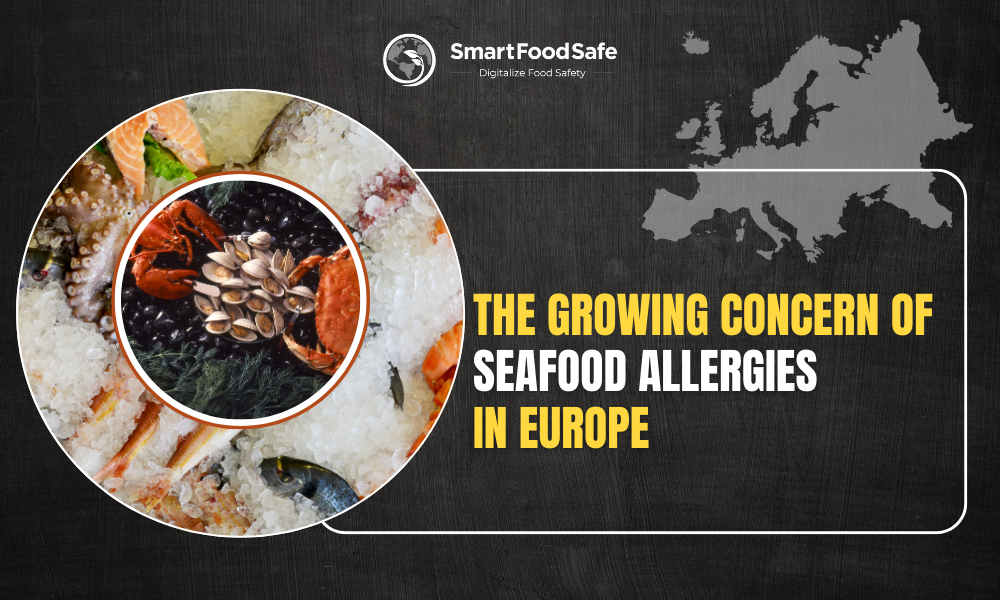
A rigorous analysis of 15 years (2007–2022) of the European Anaphylaxis Registry has revealed that seafood is an increasingly important cause of food-triggered anaphylaxis and that shellfish are the dominant driver of this rise. The study identified 462 seafood-induced anaphylaxis cases (about 8.8% of all food-induced events), of which 68% were attributed to shellfish and shrimp accounted for roughly 76% of shellfish reactions. The pattern is geographically uneven: southern European countries such as Italy and Spain reported disproportionate shares of shellfish-triggered events. This isn’t a series of isolated mishaps but a sustained trend, and for consumers, healthcare providers, and food businesses alike, the message couldn’t be clearer: it’s time to move beyond complacency. Practical steps must be taken urgently to reduce risks, increase awareness, and protect those vulnerable to these dangerous seafood allergies. Ignoring this warning puts lives at stake, and that is something none of us can afford.
The immune system reacts to specific stable muscle proteins found in both fish and shellfish. In shellfish (crustaceans like shrimp, crab and molluscs like mussels), the main allergen is a protein called tropomyosin. For many bony fish, the trigger is another protein called parvalbumin.
What makes shellfish allergies especially challenging is that tropomyosin is heat-stable, meaning cooking doesn’t reliably break it down or reduce its allergenic power. This is why even cooked seafood can provoke serious allergic reactions. Another important piece of the puzzle is cross-reactivity: if someone is allergic to shrimp, they may also react to crab or lobster because the proteins are very similar across these species.
These factors help explain why seafood allergies often emerge in adulthood and why the reactions tend to be particularly severe. To fully grasp the seriousness of these allergies, it’s important to understand what happens during anaphylaxis — a rapid, life-threatening allergic reaction that demands immediate medical attention.
Anaphylaxis is a rapid and severe allergic reaction that occurs when the immune system overreacts to a specific allergen such as certain foods, insect stings, medications, or, in this case, seafood proteins. During this reaction, the body releases large amounts of chemicals like histamine, which cause widespread inflammation and difficulty in breathing, loss of consciousness, and can even cause death if not treated immediately.
The key to effective treatment is the rapid administration of intramuscular epinephrine (adrenaline), which works to reverse these severe symptoms by relaxing airway muscles, tightening blood vessels, and improving heart function.
Recognizing anaphylaxis quickly can be life-saving, as symptoms often begin within minutes of exposure to the allergen. These symptoms can affect multiple parts of the body, and may appear in combination or rapidly progress from one to another. Here’s what to watch for:

Immediate administration of epinephrine is crucial. Being aware of these signs and responding without delay is the most effective way to prevent severe outcomes during an anaphylactic reaction.

Though individuals must take careful steps to avoid allergens in daily life, they cannot carry the weight of safety alone. The responsibility is a shared one, and food businesses stand at the front line as they play a critical role in preventing accidental exposure through strict controls and transparent practices, like:
Protecting customers with seafood allergies is a shared operational commitment, and partnering with a specialized digital solution like Smart Food Safe enables food businesses to translate these responsibilities into operational controls, digital workflows, and measurable outcomes, with practical examples and a recommended incident workflow to support allergen safety.
Every seafood allergen reaction is a powerful reminder that vigilance saves lives.
For those living with these allergies, every label read, every dose of epinephrine carried, and every careful question asked about food preparation is an act of courage and survival.
Equally, food businesses bear the responsibility of implementing strict safety measures to protect every customer by embracing unwavering commitment to safety. When both sides act with awareness and accountability, what could be a moment of danger becomes an act of promise for safety and trust. And in that promise lies the hope that lives are not just preserved, but valued beyond measure.

 French
 Spanish
 Portuguese