
 English
▾
English
▾
English
▾
English
▾

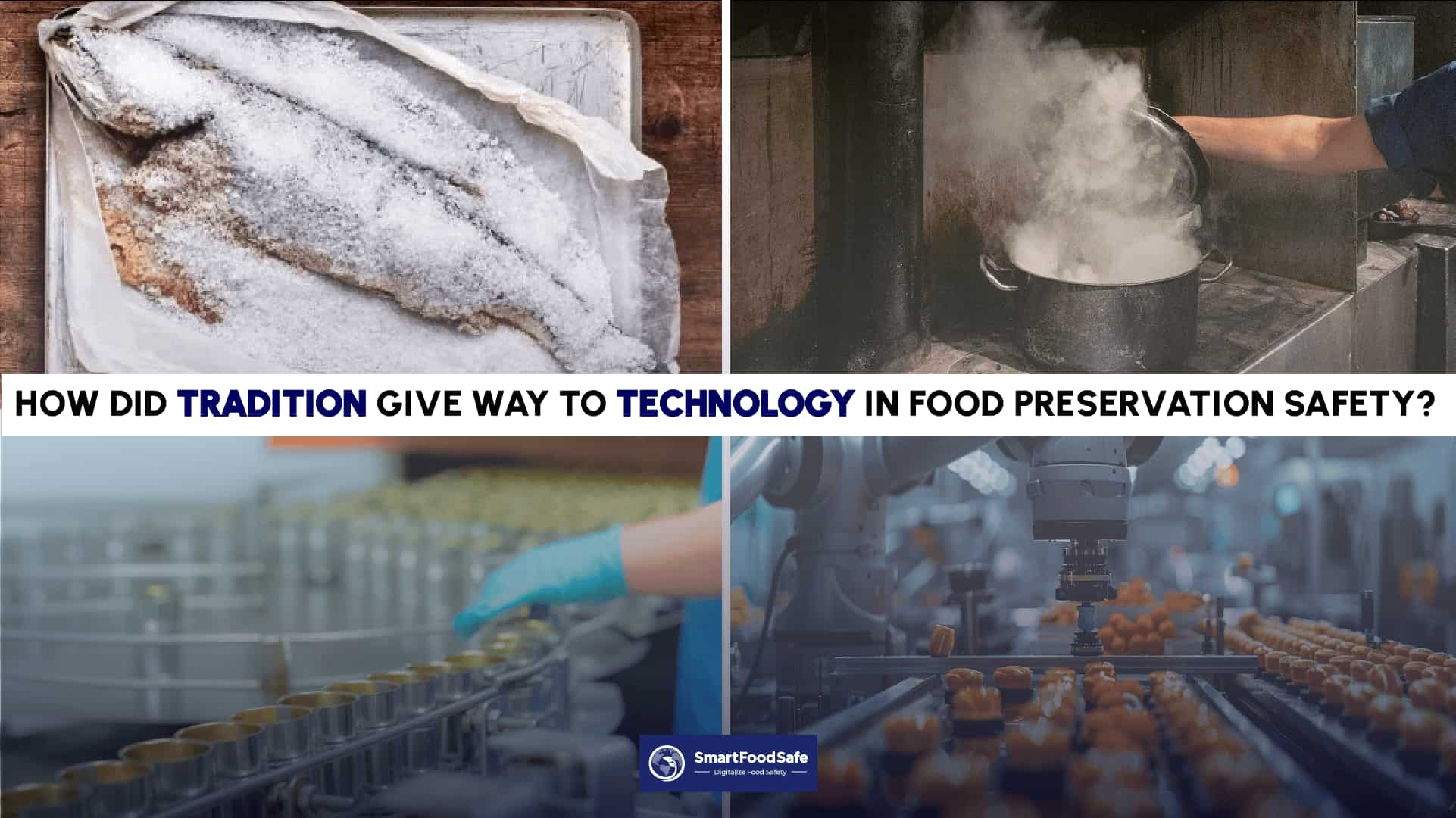
There was a time when food moved straight from fire to plate. What we now call ready to serve was simply food as it was made, eaten quickly, shared locally, and rarely stored for long.
As communities grew, food needed to last longer, travel farther, and feed more people. Food processing emerged as a means of survival rather than as a convenience.
Long before factories, people learned how to preserve food using nature itself.
Salt reduced moisture. Smoke slowed spoilage. Fermentation made food safer and more digestible. Drying allowed harvests to last through winter.
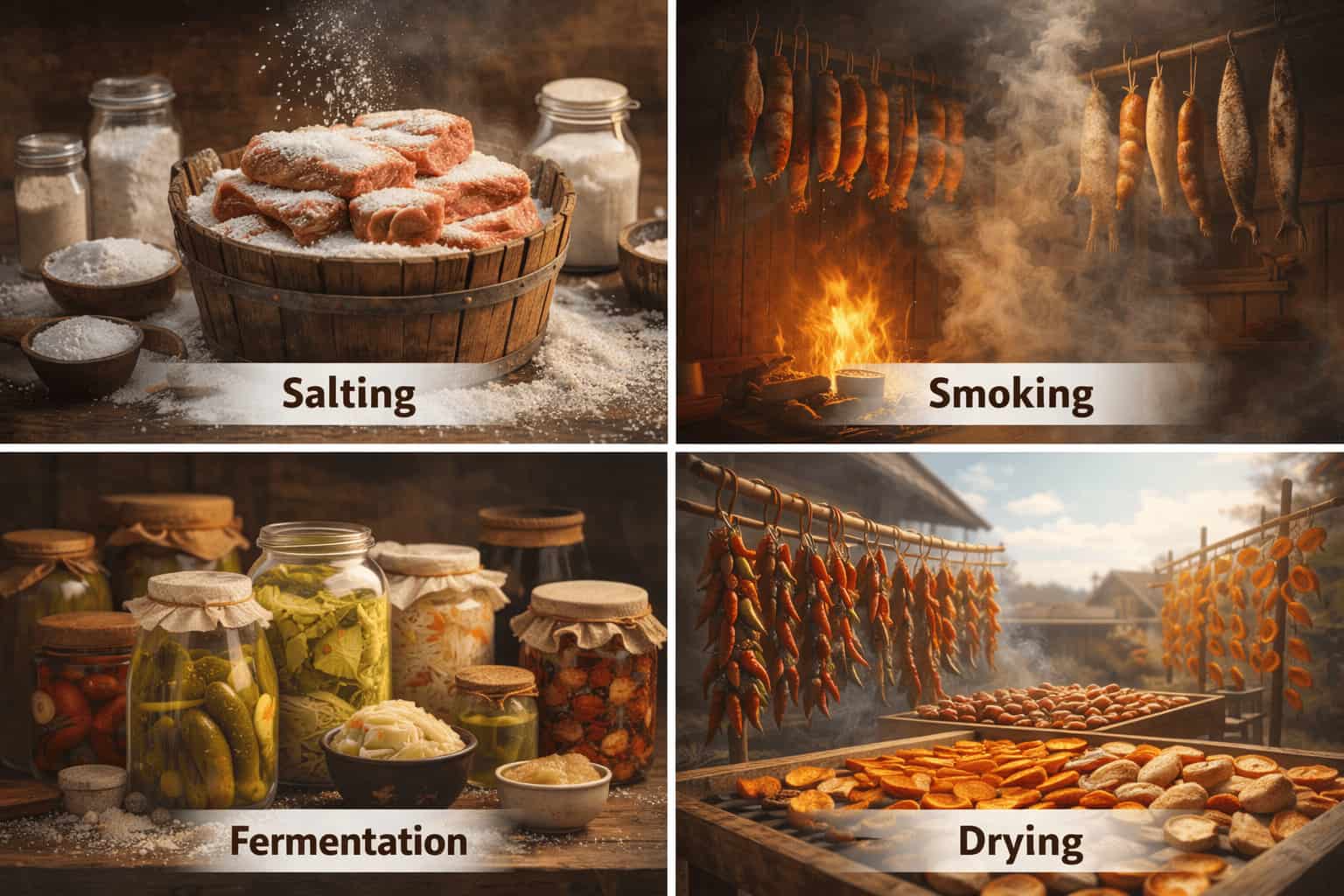
These early food processing methods were practical, intentional, and essential. Over time, they made food usable without changing what it was.
As trade expanded and cities formed, food could no longer depend on immediate preparation.
Processing shifted food from the table to the shelf.
Canning, milling, pasteurization, and refrigeration allowed food to be:
This marked the beginning of modern ready-to-eat food, where availability mattered as much as freshness.
Over time, the word “processed” lost its context.
Instead of describing a method, it became a judgement.
Yet many foods considered healthy depend entirely on processing:
The risks increased along with the scale of food production.
Larger facilities, longer supply chains, and higher output meant that human observation alone was no longer enough. Consistency, documentation, and evidence were necessary for food safety.
Controlled food processing systems became crucial in this situation.
Food safety began shifting from experience-based decisions to data-supported ones.
One uncomfortable truth in food safety is that many serious incidents don’t happen during processing but after it.
Listeria monocytogenes is a clear example.
Pasteurization and cooking steps are effective, but Listeria frequently enters food environments after those steps through drains, floors, condensation, slicers, or packaging areas.
In multiple real-world outbreaks, the product was safe when it left the cooker. It became unsafe as it moved through an uncontrolled environment.
Processing might reduce risk but the environment can reintroduce it.
This is why modern food safety systems focus so heavily on:
Modern food processing relies on equipment that can measure what humans can’t see.
Sensors now monitor:
Instead of reacting after something goes wrong, processors can identify risks as they develop.
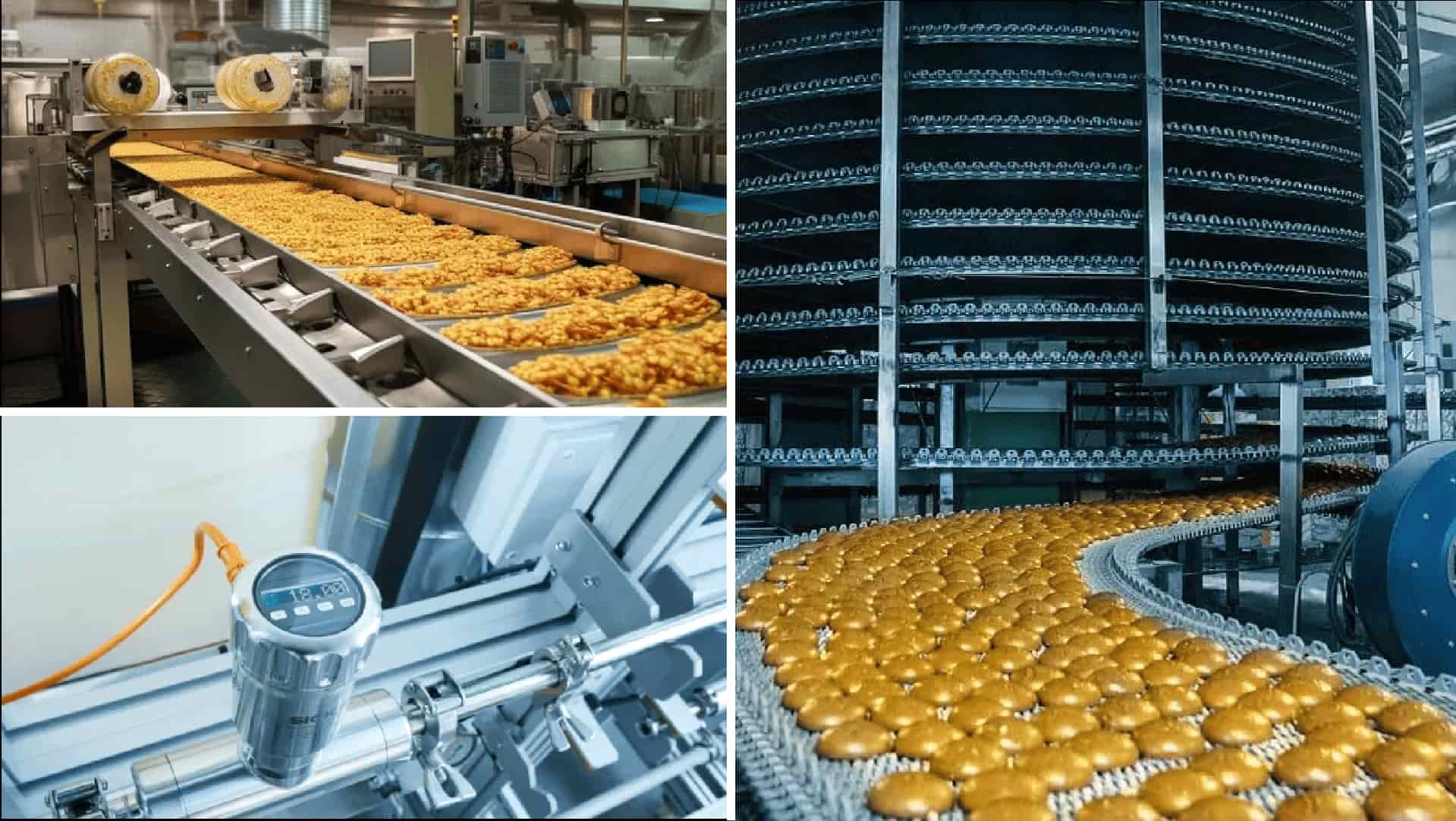
Sensors generate continuous data. AI helps interpret it.
In food manufacturing, AI is used to:
This marks a shift from corrective action to predictive food safety management.
When designed and controlled responsibly, modern processing delivers real benefits:
Processing feeds a global population that cannot rely on local, immediate consumption.
Modern food processing also introduces complexity:
Yes, but not always and not everywhere.
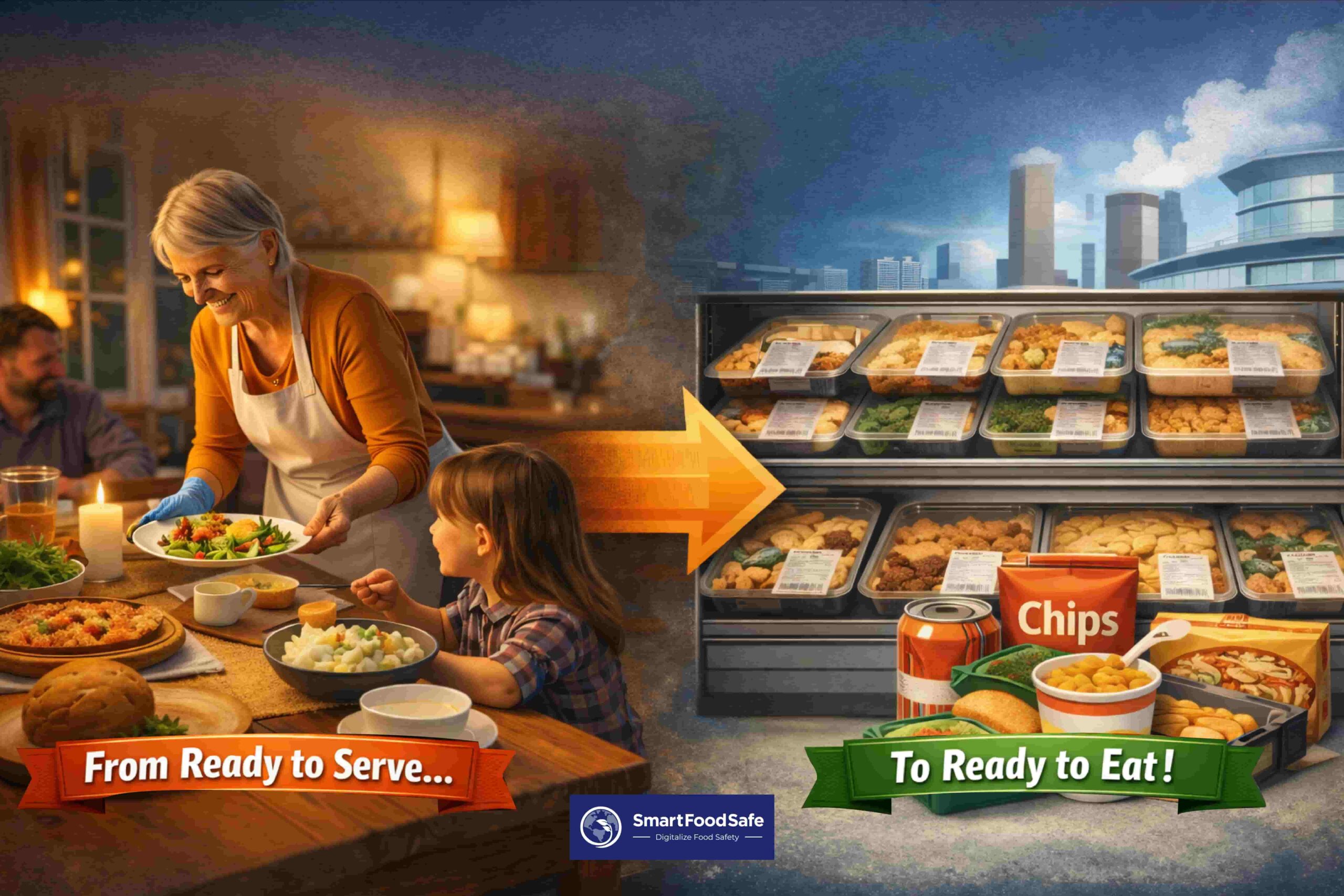
Food safety has evolved in response to how food itself has changed. As food moved from being ready to serve on the table to ready to eat on the shelf, the risks expanded beyond kitchens into factories, transport routes, and storage environments. This change required systems designed for complexity, speed, and scale in addition to custom and manual checks.
Processed food is not the enemy. Uncontrolled processing is.
Modern food safety has evolved when visibility replaces assumption, when verification replaces trust alone, and when responsibility extends across the entire food chain, not just at the point of production. Sensors, data, and digital monitoring now make it possible to see risks forming rather than discovering them after harm occurs.
But technology alone doesn’t make food safer.
Food safety truly evolves only when the same care once applied to food on the table is carried into every stage of processing, handling, and distribution.
In the end, it’s not about whether food is processed. It’s about whether it’s processed with understanding, accountability, and care.
That is where trust is earned and where food safety finally proves it has evolved.

 French
 Spanish
 Portuguese