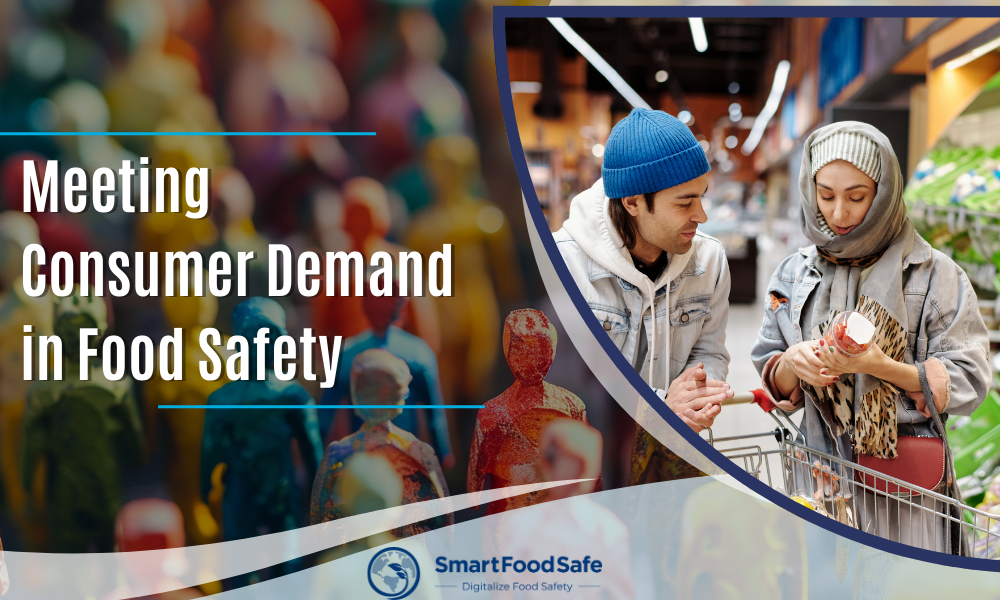
Meeting Consumer Demand in Food Safety
They say seeing is believing but when you pick up food, you can’t see the hands that prepared it, the checks that kept it safe, or the care that went into every step before it reached you.
English
▾

They say seeing is believing but when you pick up food, you can’t see the hands that prepared it, the checks that kept it safe, or the care that went into every step before it reached you.

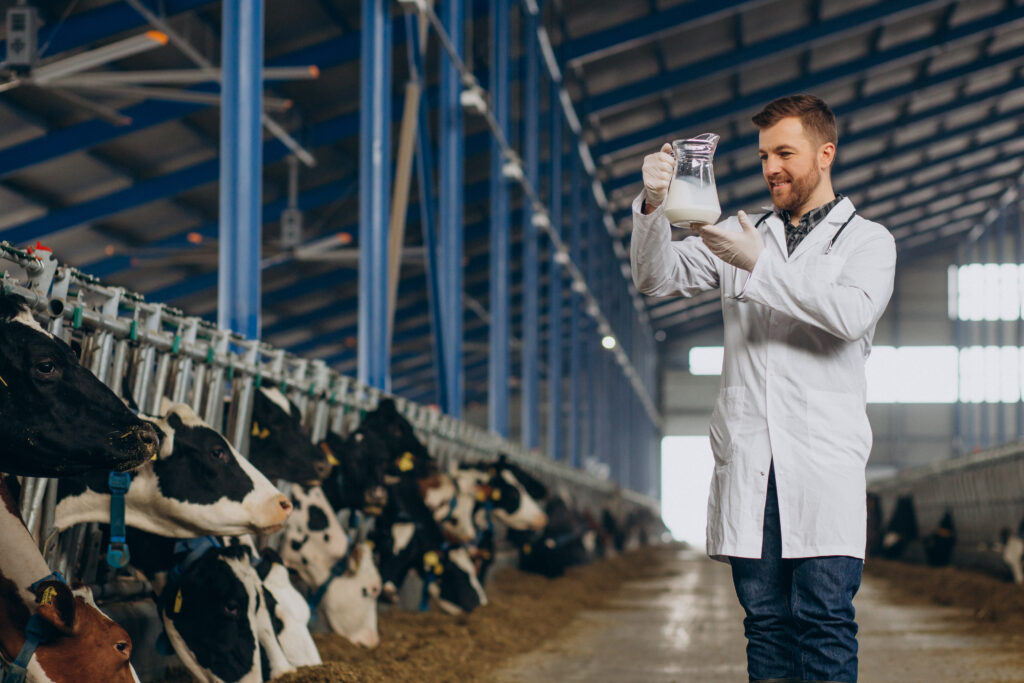
When you pour a glass of milk for your child, or add it to your morning coffee, do you ever stop to wonder what’s inside that creamy white liquid? We think of milk as a symbol of health—packed with protein, calcium, and vitamins.
We must have heard the name Listeria many times—what comes to mind when we hear Listeria: Deadly, Pathogenic? Indeed, Listeria monocytogenes is a formidable foodborne pathogen, responsible for listeriosis, an illness with a mortality rate of 20-30% in vulnerable populations like pregnant women, newborns, the elderly, and immunocompromised individuals.

Every meal tells a story — a story that begins on the farm and reaches our tables as nourishment, comfort, and joy. But behind that story lies a vital question: what does it truly take to make our food safe? And who holds the responsibility for safeguarding that promise of trust, quality, and satisfaction?

When a pet wags its tail or curls up beside you, it’s not just affection—it’s blind trust. They can’t read labels. They can’t question ingredients. They can’t complain about a strange smell or an upset stomach.

Tariffs have become a powerful force influencing the food and beverage industry’s supply chains, cost structures, and consumer strategies. Tariffs can appear suddenly, bringing with them a host of cost, regulatory, and operational implications.

With 2025 bringing new shifts in food safety expectations, the release of SQF Code Edition 10 marks a critical milestone for businesses already certified under SQF.

The buzz surrounding artificial intelligence (AI) is louder than ever. Even in the global food industry. As artificial intelligence continues to reshape industries, many food manufacturers feel the pressure to act fast.

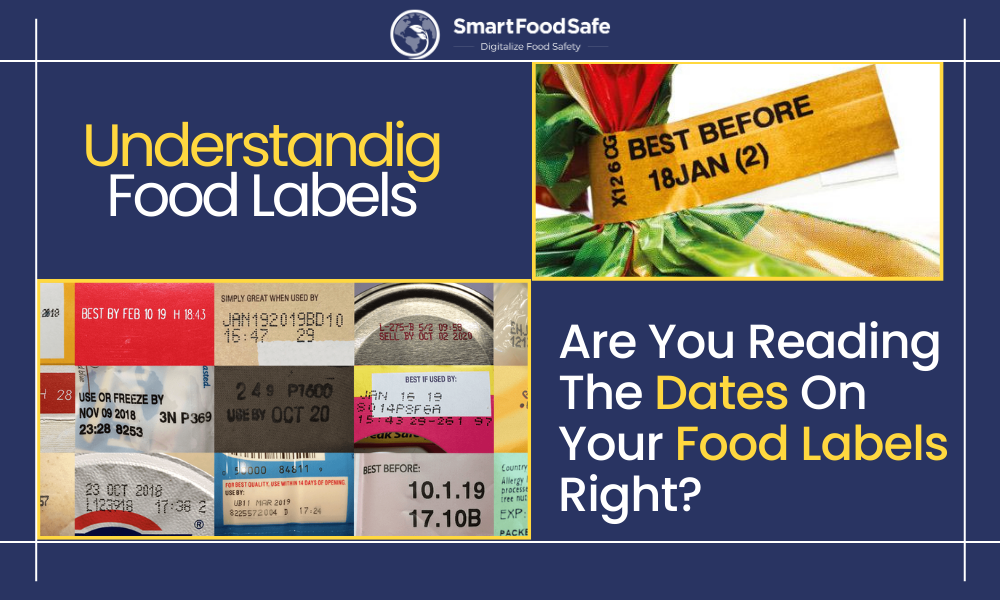
With compliance standards evolving across different markets, food businesses must ensure their product labels are precise, up-to-date, and aligned with regional regulations.
Allergen Management Audit Management Software Audit Readiness CAPA Management COP 27 Data Security Digital Audit Management Digital Learning Management Document Management System food and agriculture organization Food and nutrition security Food Manufacturing Food Product Development Food Prototype Development Food regulatory compliance Food Safety Food Safety Act 1990 Food safety compliance management Food safety compliance software food safety management food safety responsibility Food Safety Supervisor Training Food sample testing Food sampling process for analysis Food Supply Chain Food Sustainability Food Traceability List (FTL) FSMA 204 Final Rule Gap Assessment Health & Safety Ingredient Sourcing Make CAPA Cool Management System Product Specification Management Quality Quality and Regulatory Compliance Recall Risk assessment Self & Group Learning Smart Supplier Management Supplier Management Software Supply Chain Sustainable Development Goals world food safety day
We Value your Privacy
We use cookies to enhance your browsing experience, serve personalized ads or content, and analyze our traffic. By clicking "Accept All", you consent to our use of cookies. Cookie Policy
Manage your cookie preferences below:
Essential cookies enable basic functions and are necessary for the proper function of the website.
Statistics cookies collect information anonymously. This information helps us understand how visitors use our website.
Marketing cookies are used to follow visitors to websites. The intention is to show ads that are relevant and engaging to the individual user.