


“An ounce of prevention is worth a pound of cure.”
October 2026 offered several reminders of how quickly food safety failures can escalate. A contaminated ingredient triggered recalls across borders, temperature fluctuations put millions of pounds of ready-to-eat meat at risk, and a cyberattack disrupted supermarket refrigeration systems in France.
Meanwhile, regulators across the world moved forward with proposed food safety requirements, outbreak investigations prompted fresh scrutiny of produce safety, and researchers explored new approaches to pathogen control.
From foodborne illness outbreaks to regulatory developments and technological innovations, here are the important food safety and quality developments that shaped October 2026.
October 2026: Food Safety News at a Glance
Some of this month’s most significant developments included:
| Foodborne outbreaks: A South Korean festival and a Brazilian water contamination incident highlighted the risks associated with food handling and unsafe water.
Major recalls: A 1.58-million-pound ready-to-eat meat recall raised concerns about temperature control during storage. Cross-border contamination: Salmonella-contaminated pistachios triggered product recalls in the UK and Ireland. Regulatory developments: China, the United States, Canada and the European Union advanced several food safety and regulatory initiatives. Technology and cybersecurity: A cyberattack affecting supermarket refrigeration systems in France brought the vulnerability of connected cold-chain infrastructure into focus. Research and innovation: New reviews explored cold plasma, plasma-treated water, artificial intelligence and biofilm control in food processing. |
1. Foodborne Outbreaks and Recalls: When Small Failures Become Large Incidents
Foodborne illness investigations and product recalls remained among October’s most significant food safety developments. Several incidents demonstrated how contamination can spread through shared ingredients, inadequate temperature control, unsafe water and food handling practices.
South Korean Festival Food Outbreak Leaves Around 930 People Ill
A foodborne illness incident at a festival in South Korea reportedly affected approximately 930 people. Investigations indicated that most affected individuals had consumed rice rolls purchased from a single food stall.
The incident highlights the food safety challenges associated with temporary food establishments, where high customer volumes, food preparation practices, temperature control and sanitation need careful attention.
Parasite Detection in Brazilian Water Supply Raises Public Health Concerns
A town in Brazil reported approximately 2,600 cases of gastrointestinal illness over 20 days. A parasite was subsequently detected in water samples, prompting school closures.
The incident draws attention to the importance of safe water in food production and preparation. Water quality directly affects ingredient washing, equipment cleaning, sanitation and other food handling activities. Routine testing and documented water quality controls are therefore essential.
E. coli Investigations Put Seasonal Farms and Public Events Under Scrutiny
E. coli-related illness clusters were reported in connection with a state fair, a pumpkin farm and a California farm during the final week of October.
Seasonal agricultural events can bring visitors into close contact with animals, produce, shared facilities and food service areas. Adequate handwashing facilities, visitor hygiene measures and controls around animal contact remain important preventive measures.
A Cold-Chain Warning Sparks One of the Year’s Biggest Meat Recalls
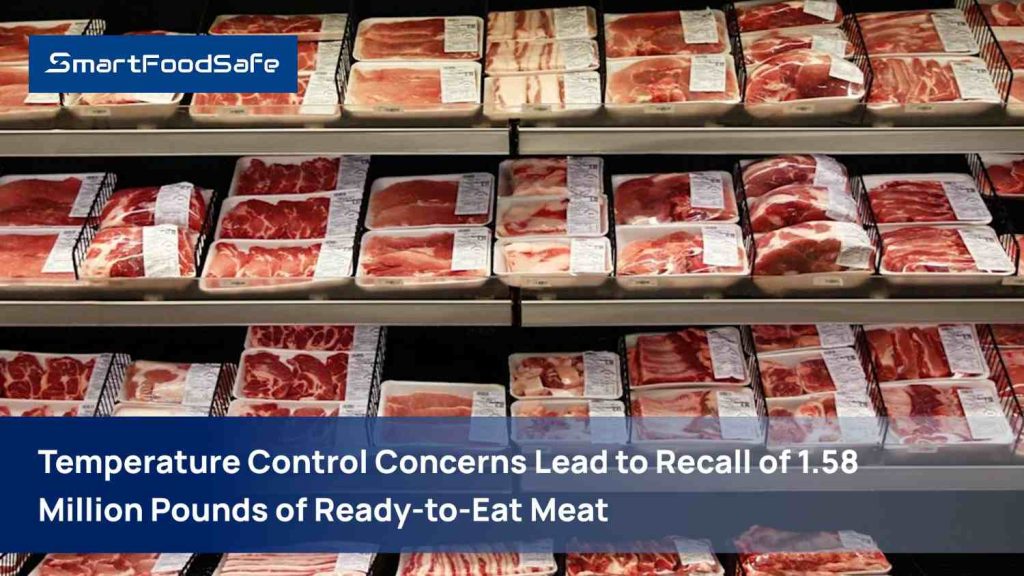
Approximately 1.58 million pounds of ready-to-eat meat products were recalled following reports of temperature fluctuations in a warehouse cooler. The incident was classified as a Class I recall, the highest risk category used by the USDA.
The recall reinforces the importance of maintaining temperature-controlled storage throughout the distribution chain. Continuous monitoring, functioning temperature alarms, documented checks and prompt corrective action can help businesses identify deviations before they compromise product safety.
Salmonella-Contaminated Pistachios Trigger Recalls Across the UK and Ireland
Five ready-to-eat products in the UK and Ireland were recalled after Salmonella contamination was identified in pistachios used as an ingredient.
The incident highlights the importance of controlling microbiological hazards in low-moisture ingredients. Nuts and seeds can carry pathogens despite their low water activity, making supplier verification, appropriate testing and ingredient traceability important parts of food safety management.
Other Notable Food Recalls and Safety Alerts
Several additional recalls and safety alerts were reported during October:
- Listeria in organic cheese: Canada issued a national Class I recall involving organic cheese products following concerns about Listeria contamination on 14 October.
- Lead contamination: Ground cinnamon and fruit cocktail products were recalled on 29 October over elevated lead levels.
- Potential botulism risk: Cold-smoked sprat was recalled over concerns about possible botulism contamination.
- Orange juice processing concerns: A recall was announced after processing reportedly failed to achieve the required pathogen reduction target.
- Salmonella linked to raw oysters: Raw oysters harvested from a Virginia river were linked to 28 reported illnesses across 13 states.
2. Food Safety Regulations and Policy Updates: What Is Changing Worldwide?
October brought several regulatory developments, from proposed changes to food safety legislation and infant food requirements to new approaches to produce safety and traceability enforcement.
China Proposes Major Expansion of Its Food Safety Law
China’s proposed revision to its Food Safety Law would expand the legislation from 154 to 191 articles and introduce personal financial penalties for employees responsible for certain violations.
The proposed changes could have implications for food manufacturers, importers and businesses operating in the Chinese market. Companies should pay attention to evolving documentation, import compliance and accountability requirements as the legislative process progresses.
FDA Outlines Ten Actions to Address Cyclospora Risks in Fresh Produce
Following a major Cyclospora outbreak during the summer that reportedly affected nearly 13,000 people and caused two deaths, the FDA announced a ten-action plan ahead of the 2027 growing season.
The proposed measures include expanded produce surveillance and other efforts to strengthen prevention and investigation of Cyclospora contamination.
The developments signal continued regulatory attention to fresh produce safety, particularly contamination risks associated with growing, harvesting and handling practices.
FDA Outbreak Communication Could Include More Supply Chain Information
The US Attorney General’s Office indicated that the FDA could revise its rules to disclose additional supply chain information during foodborne illness investigations.
Greater transparency around implicated products and their distribution could help consumers, retailers and businesses identify affected items more quickly. It could also support faster product withdrawals and more targeted recall communication.
Infant Food Standards Face Fresh Scrutiny as Regulatory Changes Take Shape
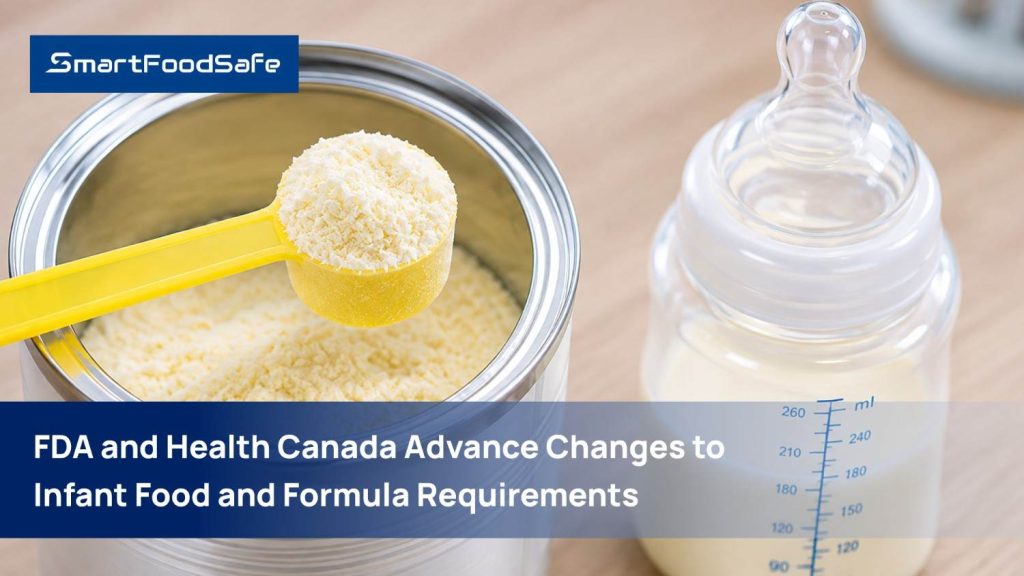
Food safety and nutritional standards for infant products also received attention in October.
The FDA proposed cadmium action levels for baby foods, including a level of 10 parts per billion (ppb) for most fruits and vegetables. It also proposed a major update to infant formula nutrient requirements, reportedly the first significant revision in nearly 30 years.
Meanwhile, Health Canada finalized changes to certain infant formula ingredient requirements on 29 October.
These developments highlight the continued regulatory focus on reducing heavy metal exposure and maintaining appropriate nutritional standards in products intended for infants and young children.
FDA Considers Enforcement Flexibility for Smaller Food Businesses Under Traceability Rules
The FDA issued a draft enforcement discretion policy proposing that certain smaller retailers and restaurants, with annual sales between $250,000 and $1 million, would not be subject to enforcement of specific Food Traceability Rule requirements under the proposed approach.
Separately, the UK refreshed its food traceability guidance on 14 October.
Although regulatory approaches may differ, the underlying need remains the same: food businesses must be able to identify suppliers, trace products through distribution and respond effectively when contamination is suspected.
Other Regulatory Developments to Watch
- EFSA’s scientific priorities: The European Food Safety Authority outlined a ten-year scientific strategy addressing emerging food safety challenges, including artificial intelligence and climate-related risks.
- PFAS in food additives: Health Canada proposed regulatory measures concerning PFAS in food additives, adding to growing attention around persistent chemical contaminants.
3. Technology, Cold Chain and Food Supply Chain Security
Digital technologies are increasingly connected to everyday food safety operations. However, October also highlighted how technological vulnerabilities can introduce risks into systems that businesses depend on to protect food.
A Cyberattack Chills France’s Supermarket Cold Chain

A cyberattack affecting hundreds of supermarkets in France reportedly disrupted refrigeration systems, causing some refrigerators and freezers to reach temperatures as high as 50°C and resulting in food losses.
The incident raised concerns about the cybersecurity of connected refrigeration infrastructure. Reports also indicated that the Pentagon was examining whether similar refrigeration failures at military stores could have involved cyberattacks.
The incident illustrates an important point: food safety technology must be protected against both operational failures and digital threats. Businesses using connected temperature monitoring systems should maintain strong access controls, cybersecurity safeguards and independent manual temperature checks as backup measures.
4. Scientific Research and Emerging Food Safety Innovations
Research published during October explored several technologies and approaches that could contribute to future food safety practices. The following developments are review papers, meaning they assess existing research rather than necessarily report new experimental findings.
Cold Plasma Shows Potential for Pathogen Reduction in Meat Products
A review published on 15 October examined the use of cold plasma technology for microbial control in meat products.
The reviewed research reported that in-package plasma treatments reduced Listeria, Salmonella and E. coli O157 on poultry by approximately 3.5–3.9 log units. However, some treatments also increased fat oxidation in ham, highlighting the need to balance microbial reduction with product quality.
Could Plasma-Activated Water Change the Way Food Facilities Sanitize?
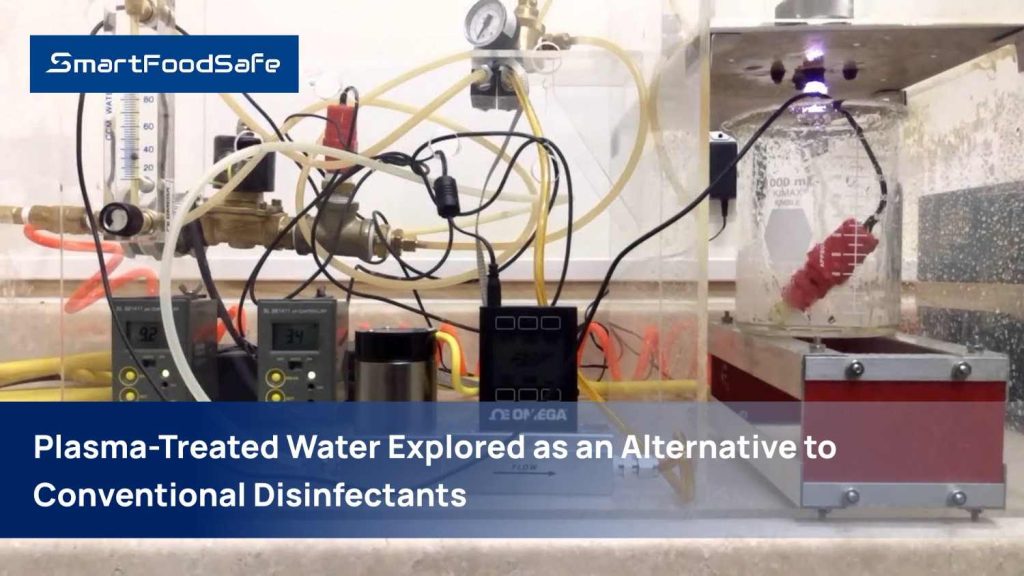
A review published on 26 October examined plasma-treated water and its potential applications in food processing and sanitation.
The technology is being investigated as a possible alternative to conventional chemical disinfectants, with research exploring its antimicrobial properties and potential environmental advantages.
AI in Food Safety: Innovation Must Be Supported by Validation
A review published on 21 October examined the growing role of artificial intelligence in food safety applications.
While AI can support monitoring, risk assessment and predictive analysis, its practical use requires reliable validation, appropriate data protection and ethical safeguards. The findings reinforce the importance of treating AI as a decision-support technology rather than an unquestioned substitute for scientific and regulatory oversight.
5. Food Safety Awareness Days and Industry Events in October
October also featured important international awareness initiatives and industry events that brought attention to hygiene, food security, innovation and emerging food safety challenges.
Global Handwashing Day – 15 October
Observed on 15 October, Global Handwashing Day carried the theme “Be a Handwashing Hero.”
The campaign highlighted the importance of handwashing with soap as a simple but effective measure for preventing the spread of infectious diseases. In food businesses, proper hand hygiene remains one of the fundamental controls against cross-contamination.
World Food Day – 16 October
World Food Day 2026 was observed under the theme “Innovate Today. Nourish Tomorrow.”
The day marked the founding of the Food and Agriculture Organization (FAO) in 1945 and brought attention to the importance of innovation in building more sustainable and resilient food systems. Celebrations and related events took place across more than 150 countries.
6. What October’s Food Safety Developments Mean for Businesses
Across outbreaks, recalls, regulatory changes and emerging technologies, October’s developments point to several areas that food businesses should continue to monitor.
Here are four practical priorities:
- Strengthen temperature monitoring: Use reliable temperature monitoring systems, alarms and documented manual checks to identify cold-chain deviations promptly.
- Verify high-risk ingredients: Pay particular attention to low-moisture ingredients such as nuts and seeds, and review supplier controls, testing records and ingredient traceability.
- Maintain water and sanitation controls: Regularly assess water quality and ensure cleaning, sanitation and hygiene records are complete and accessible.
- Improve traceability and recall readiness: Maintain accurate supplier, batch and distribution records so affected products can be identified and traced quickly.
Final Thoughts: Prevention Begins With Closing the Gaps
October’s food safety developments demonstrated how vulnerabilities in one part of the food supply chain can create consequences far beyond the original point of failure.
A temperature deviation can compromise an entire product batch. A contaminated ingredient can affect products across multiple countries. An inadequate sanitation practice can allow pathogens to persist, while a failure in connected technology can disrupt essential food safety controls.
The common lesson is that food safety depends on consistent monitoring, reliable records, effective preventive measures and the ability to respond before small problems become larger incidents.
With November underway, it is worth asking: Is your food safety system equipped to identify a small deviation before it escalates into a major incident?