


 English
▾
English
▾
English
▾
English
▾
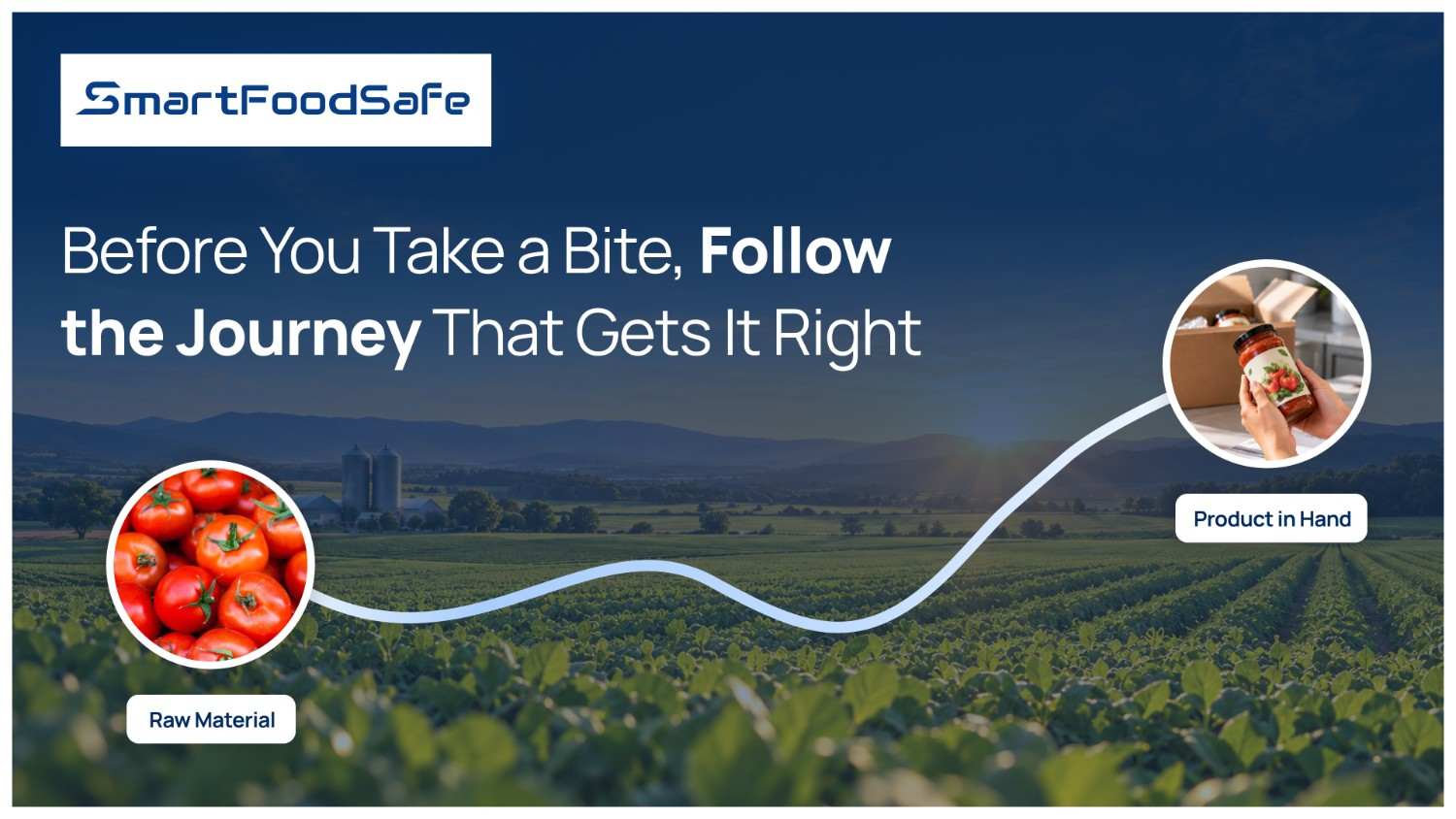
When we think about food safety, the conversation often starts once food reaches us. Washing our hands, keeping raw and ready-to-eat foods separate, and following the 4 Cs: Clean, Separate, Cook and Chill are some of the familiar ways we keep food safe at home.
 Also Read
10 Common Food Safety Mistakes and How to Avoid Them
Also Read
10 Common Food Safety Mistakes and How to Avoid Them
But have you ever wondered what happens before the food reaches us? How do we know the ingredients are right, the product meets its requirements, and the information on the label is accurate before it gets to our table?
This National Food Safety Education Month, under the theme “Everyone’s Table,” it is worth looking beyond the food on our plate and understanding what happens before it gets there. From the ingredients selected on the production floor to the information printed on the final label, every step plays a part in getting the right product to the consumer.
Raw Materials → Specifications → Recipe/Formulation → Finished Product → Label → Consumer
It may look like a straightforward journey, but there is a lot happening behind each step. Let’s take a closer look at how a product moves from the production floor to the consumer.
Every food product starts with raw materials and ingredients. It could be milk, flour, spices, oil, fresh produce or a more complex ingredient supplied by another business. Before these materials enter production, the business needs to know what it has received and whether it meets the requirements for its intended use.
That means looking at details such as:
These details provide the starting point for everything that follows. A change in a raw material, for example, can have a much wider impact than expected. If a supplier changes the composition of a seasoning blend, it could affect the ingredient’s allergen profile, the product formulation, the product specification and eventually the information that appears on the label.
So, the check is not simply about whether the right material has arrived. It is about confirming that the material and the information attached to it are suitable for what the business plans to make.
Once the raw materials and ingredients are understood, the next step is to define the product they will become. A food product specification brings together the approved requirements that describe the product and gives everyone involved a common reference.
The specification can cover the product’s composition, quality characteristics, microbiological or chemical limits, storage and shelf life, packaging, and applicable regulatory or customer requirements. But its role goes beyond simply recording this information. Different teams rely on it in different ways:

When everyone works from the same approved product information, it becomes easier to keep the product consistent as it moves through development, production and quality checks. It also helps teams identify what needs to be reviewed when an ingredient, formulation or product requirement changes.
With the product now clearly defined, the next step is turning those requirements into the recipe or formulation that production will follow.
With the product requirements defined, the next step is turning them into a recipe or formulation that production can follow.
A formulation sets out the ingredients, quantities, proportions and processing requirements needed to produce the intended food. It also helps ensure that the same product can be made consistently across batches, production lines or sites.
 Also Read
Food Specification Management: The Key to Consistent Food Quality
Also Read
Food Specification Management: The Key to Consistent Food Quality
This is why even a small formulation change needs to be considered carefully. Replacing an ingredient, changing its quantity or adjusting a process step can affect the final product in ways that may not be immediately obvious.

Before a revised formulation is released for production, it can also go through formulation verification checks. Depending on the product and the change, teams may verify:
R&D or Product Development may assess the revised recipe, QA can review and approve the change, while QC may support verification through testing or defined checks. Production then needs the current, approved formulation to manufacture the product correctly.
This is also where change control becomes important. A formulation should not simply be edited and sent to production. The business needs to know what changed, why it changed, who approved it and whether the change affects anything else connected to the product.
 Also Read
Your Hidden Food Safety Risk May Be Something You Just Changed
Also Read
Your Hidden Food Safety Risk May Be Something You Just Changed
The formulation may define what goes into the product, but production is where those decisions become something physical. The next step is to check whether the product coming off the line meets the defined requirements and matches what was intended.
The finished product brings the earlier stages together. The ingredients have been selected, the product defined, the formulation approved and production completed. Now the business needs evidence that the product meets its established requirements.
This can involve in-process controls, monitoring, inspection, sampling and testing, depending on the product and food safety plan. Checks may cover:
QC may carry out testing and inspections, while QA reviews the results and manages any non-conformances that need investigation.
Finished-product testing is important, but it is only part of the picture. HACCP controls, process monitoring, verification activities and record reviews also help confirm that food was produced under controlled conditions.

When ingredients, formulations or processes change, this link becomes especially important. Even when the finished product meets its physical and quality requirements, the label still needs to reflect the product actually inside the pack.
And that brings us to the final stage before it reaches the consumer: getting the label right.
The label turns everything established about a product into information the consumer can use. It helps them understand what the product contains, whether it suits their needs, and how to store or use it safely.
When that information is wrong or outdated, the consequences can be serious. A consumer could:
That is why labeling teams need to work from current, approved product information, including the right formulation, ingredient and allergen details, nutrition information, claims and market requirements.
A change made earlier in the process may also require a label change. For example, a reformulated ingredient could affect allergen or nutrition information.
What changes inside the product may need to change on the label too.
When the product information stays connected from formulation and production through to labeling, the consumer is more likely to see information that accurately reflects what is inside the pack.
 Also Read
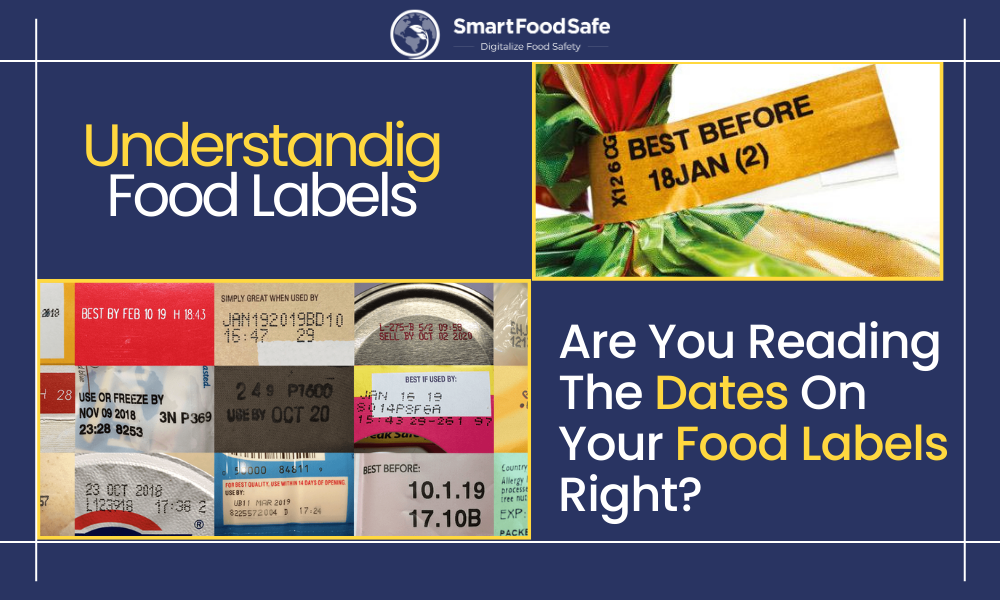
What’s the Date on Food Labels Really Saying?
Also Read
What’s the Date on Food Labels Really Saying?
A food product passes through several teams, from R&D and QA to QC, Production and Regulatory, each working with information such as formulations, specifications and label details. When that information is managed across different files or systems, small gaps can appear.
For example, a supplier may change an ingredient and the specification gets updated, but the revised information does not reach the formulation or labeling team. The product moves forward using different versions of the information, and the final label could carry an outdated ingredient, allergen, nutrition detail or claim.
The problem is not always one major mistake. Sometimes, it is simply one change not reaching the next stage.
When these gaps go unnoticed, they can lead to:
For the business, this can mean more review work, delays and a greater risk of non-compliance. For the consumer, it can ultimately mean the information on the package no longer matches the product inside.
Software can help connect the information that moves between teams, so a change made in one part of the product journey is easier to track, review and carry forward. Instead of relying on separate spreadsheets, documents and manual follow-ups, teams can work from centralized, version-controlled and approved product information.
This can help businesses:
This is where Smart Specification and Smart Label can work together to keep product information connected from development to the final package.
 Also Read
Smart Label: Nutritional Facts & Label Management Made Smarter for Your Food Business
Also Read
Smart Label: Nutritional Facts & Label Management Made Smarter for Your Food Business

Food safety does not begin when a product reaches the supermarket, and it does not end when it is placed on a plate. Long before a consumer takes the first bite, teams have already made decisions about the ingredients, product requirements, formulation, production, quality checks and information that appears on the label.
Each of these steps has a role to play. A suitable raw material, an accurate specification, a controlled formulation, a verified finished product and a correct label all contribute to the same outcome: getting the right food, with the right information, to the consumer.
That is what makes food safety education important. It is not only about knowing how to handle food safely at home. It is also about understanding the work behind the food we buy and why every link in that chain matters.
This National Food Safety Education Month, “Bringing Food Safety to Everyone’s Table” is a reminder that food safety is a shared responsibility. From the production floor to the package in our hands, every decision can influence what ultimately reaches the consumer.
 Also Read
Meeting Consumer Demand in Food Safety
Also Read
Meeting Consumer Demand in Food Safety
Because behind every meal we eat is a process worth understanding, and food safety begins with getting every part of that process right.

 French
 Spanish
 Portuguese