Why Are Infant Formula Recalls Increasing? Is This a Food Safety Failure or Improved Testing?
Jan 09, 2026
When infant formula is recalled, the fear is immediate and understandable. For many families, formula is the primary source of nourishment for a baby during a critical window of growth and development. Any disruption feels personal, urgent, and destabilizing.
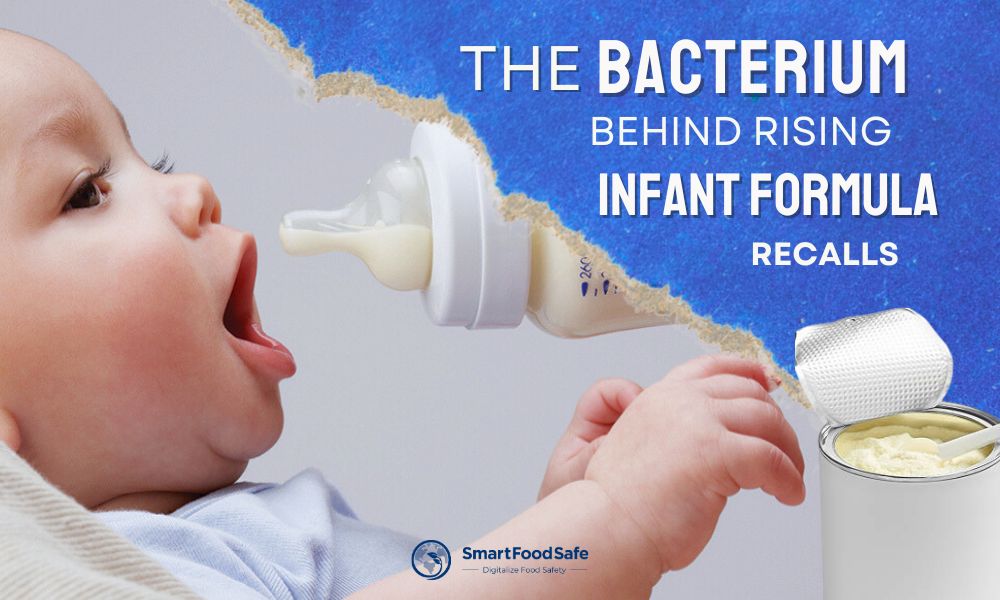
Recent recalls linked to Bacillus cereus have raised important questions. What does this organism do? Why does it appear in powdered formula? And perhaps most importantly, what do these recalls actually mean for infant safety?
To answer those questions, we need to step away from headlines and look carefully at the science, the manufacturing realities, and the systems designed to protect infants.
A Brief Look Back at Bacillus cereus and Infant Formula
Bacillus cereus is not new to the food system, and it is not unique to infant formula as well. One reason it continues to challenge food safety systems, particularly in powdered infant formula, is its biological flexibility.
Morphology and Survival Mechanisms
Structure: It is a large, Gram-positive, rod-shaped bacterium.
The Spore Factor: Its most dangerous trait is the ability to form endospores. Think of a spore as a “bacterial escape pod.” When the environment becomes too dry, too hot, or lacks nutrients, the bacteria package their DNA into a tough, dormant shell.
Resistance: These spores are remarkably resistant to heat, desiccation (drying out), and even many common disinfectants used in factories. While the vegetative (active) cells are killed by pasteurization, the spores can survive it, waiting for the formula to be reconstituted with warm water to “wake up” and multiply.
The Anaerobic Connection
While often described as aerobic (needing oxygen), B. cereus is actually a facultative anaerobe. This means it is incredibly versatile:
It thrives in the presence of oxygen (like on a factory surface).
It can switch its metabolism to survive without oxygen (anaerobic).
The Gut Connection: This anaerobic flexibility allows it to thrive in the low-oxygen environment of an infant’s small intestine, where it can then release toxins.
Two Faces of Illness
Bacillus cereus causes two distinct types of food poisoning:
The Emetic (Vomiting) Type: Caused by a toxin called cereulide. This toxin is often pre-formed in the food itself. Most importantly, cereulide is heat-stable, which means once it is in the formula, boiling the water will not deactivate it.
The Diarrheal Type: Occurs when the bacteria or spores are ingested and produce toxins inside the small intestine.
Why Infant Formula Is Treated Differently Than Other Foods
Infant formula is a “high-risk” food for two primary reasons: the vulnerability of the consumer and the nature of the product.
Immature Defenses: Infants have a higher gastric pH (less acidic stomach), which is less effective at killing bacteria. Their gut microbiome is still developing and the immune system is immunologically inexperienced, making them particularly susceptible to infections that an adult might barely notice.
The Sterile Myth: It is a common misconception that powdered infant formula (PIF) is sterile. It is not. Powdered infant formula is produced under tightly controlled conditions, but the drying processes required to preserve sensitive nutrients cannot achieve full sterility without compromising nutritional quality. As a result, a very low microbial presence is a known risk that food safety systems are designed to control and minimize.
How B. cereus Enters During Formula Production
The detection of B. cereus typically reflects a breakdown or bypassing of layered control barriers rather than a single point of failure.
Raw Ingredients: Recent recalls have been linked to specific additives like Arachidonic Acid (ARA) oil. Since formula is a complex blend of oils, proteins, and minerals sourced globally, a single contaminated ingredient can affect dozens of product lines.
The Factory Environment: Because B. cereus lives in soil and dust, it can enter facilities via shoes, air filtration systems, or even roof leaks.
Biofilms: These bacteria are “sticky.” They can form thin, slimy layers called biofilms on the inside of stainless steel pipes or mixing vats, protecting them from routine cleaning.
Why Recalls Still Happen at Major Companies
You might wonder if companies know these risks, why do recalls occur at all?
The answer is:
1. The “Zero-Tolerance” Paradox
As testing technology becomes more sensitive, we are able to detect incredibly small traces of bacteria that would have gone unnoticed even a decade ago. This is a major advance for public health, but it means more recalls are triggered “out of an abundance of caution” even when no one has actually gotten sick.
2. Food Safety Culture in Infant Formula Manufacturing
This is the most critical point. You can have the best machines in the world, but food safety relies on people.
Production Pressure: If a shift manager is pressured to meet a quota, they might rush a Clean-in-Place (CIP) cycle.
Silent Recalls: We sometimes see companies perform “silent recalls” (removing stock quietly) to avoid brand damage. This is a culture failure, prioritizing reputation over public health.
Knowledge Gaps: If a floor worker doesn’t understand why they must change their shoes between “low-care” and “high-care” zones, they are more likely to skip the step when tired.
Strengthening Preventive Controls
Preventing Bacillus cereus risk in powdered infant formula requires layered controls that reflect the organism’s ability to survive, persist, and re-emerge.
Effective prevention is built on these non-negotiable pillars.
1. Ingredient Risk Management
The most effective interventions occur before ingredients enter the facility.
Risk-based supplier qualification and auditing
Ingredient specifications that explicitly address spore-forming organisms
Testing programs aligned with ingredient risk, not production schedules
Defined escalation pathways for atypical or trending results
2. Hygienic Design and Zoning
Facility design must actively prevent microbial persistence.
Physical separation of low-care and high-care areas
Dust control strategies that limit spore accumulation
Equipment designed for cleanability, not just throughput
Controlled movement of people, air, and materials
3. Sanitation Validation for Spore-Formers
Sanitation programs must be:
Validated against spore-forming organisms, not only vegetative cells
Reassessed as equipment ages or processes change
Verified using environmental data, not visual inspection
4. Environmental Monitoring as an Early Warning System
Effective EMPs are:
Risk-based and zone-specific
Designed to identify trends, not just positives
Regularly reviewed by empowered decision-makers
5. Psychological Safety
Employees must be encouraged to report:
Deviations
Unexpected results
Situations that “don’t feel right”
6. Respect for Uncertainty
Teams must be trained to pause when data is incomplete.
Conservative decisions are protective, not inefficient
Holding product is responsible, not punitive
Asking questions signals competence, not weakness
7. Leadership That Rewards Prevention
Culture is shaped by what leadership reinforces:
Are early warnings welcomed or minimized?
Is verification prioritized over speed?
Are recalls treated as learning events or brand failures?
These signals determine whether risks are managed smoothly or exposed publicly.
What Parents and Caregivers Should Know (and Do)
While the industry works on its “culture,” you can take control at home. Here is the genuine, practical advice:
Action
Why it works against B. cereus
Heat Water to 70°C
Kills the active B. cereus cells
Discard after 2 hours
Prevents dormant spores from “waking up” and producing heat-stable toxins.
Scrub the Scoop
The plastic scoop is a major “vector” for kitchen-to-can contamination.
Fridge at 4°C or below
B. cereus can grow slowly in the fridge if it’s too warm.
The foundation of food safety, especially when it comes to infant nutrition, is not the complete absence of risk but rather prevention, openness, and ongoing improvement.
Recalls are typically proof that monitoring systems are operating as intended rather than proof that systems have failed. Long before harm happens, it matters how risks are recognized, shared, and dealt with.
Emotion, pressure, and judgment are already factors in infant feeding decisions. Families should receive accurate, proportionate, and scientifically based information rather than messages that exacerbate anxiety or perplexity.
Quality and Food Safety Management Software
Food Safety and Quality Management Software to streamline processes, track compliance, ensure traceability and maintain audit readiness with global quality and food safety standards
Food Safety and Quality Management Software to streamline processes, track compliance, ensure traceability and maintain audit readiness with global quality and food safety standards
We use cookies to enhance your browsing experience, serve personalized ads or content, and analyze our traffic. By clicking "Accept All", you consent to our use of cookies. Cookie Policy
Cookie Preferences
Manage your cookie preferences below:
Essential cookies enable basic functions and are necessary for the proper function of the website.
Name
Description
Duration
Cookie Preferences
This cookie is used to store the user's cookie consent preferences.



 English
▾
English
▾


 French
 Spanish
 Portuguese