


 English
▾
English
▾
English
▾
English
▾
What could be more personal, more universal, and more fundamental to human life than the act of eating? Food is the one necessity that binds every person, every culture, and every generation.
Every meal, whether consumed in a bustling metropolis or a remote village, is built upon a shared covenant of trust. We trust that the food before us will nourish rather than harm, sustain rather than imperil, and contribute to our well-being rather than undermine it.
This is why the statement that "safety is the implicit definition of food" deserves greater contemplation than it often receives.
For if food is not safe, can it truly be called food at all?
The consequences of a contaminated meal cannot be measured solely in terms of regulatory infractions or compliance failures. More insidiously, it corrodes the reservoir of trust upon which modern food systems depend, undermining confidence in public institutions and transforming what ought to be a source of sustenance, comfort, and well-being into a potential instrument of harm.
For this reason, food safety cannot be viewed merely as a technical matter confined to laboratories, inspections, or compliance checklists. It is a shared responsibility and a cornerstone of public well-being. At its essence, food safety reflects how deeply we cherish human health, respects human dignity, and values the sanctity of life.
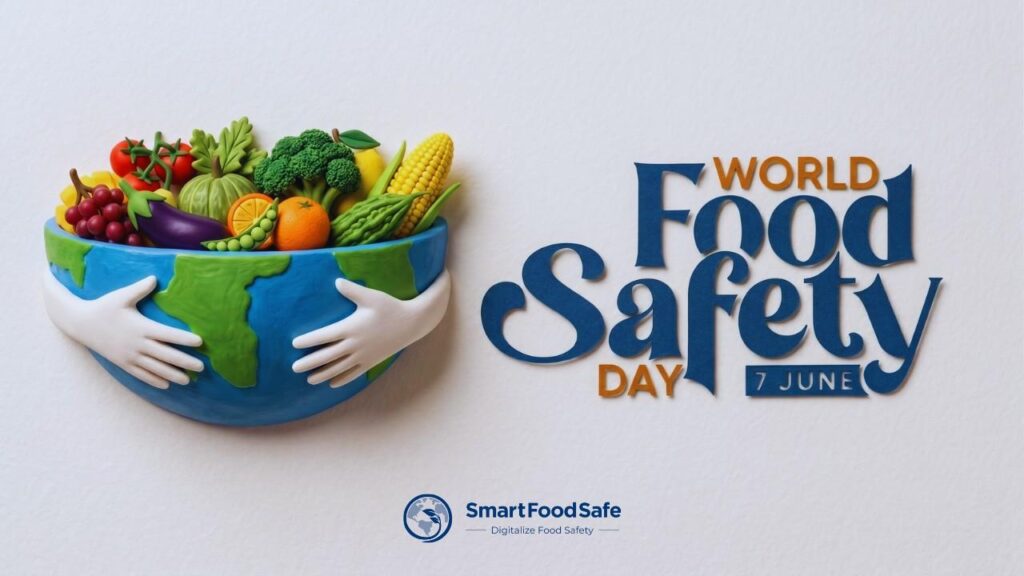
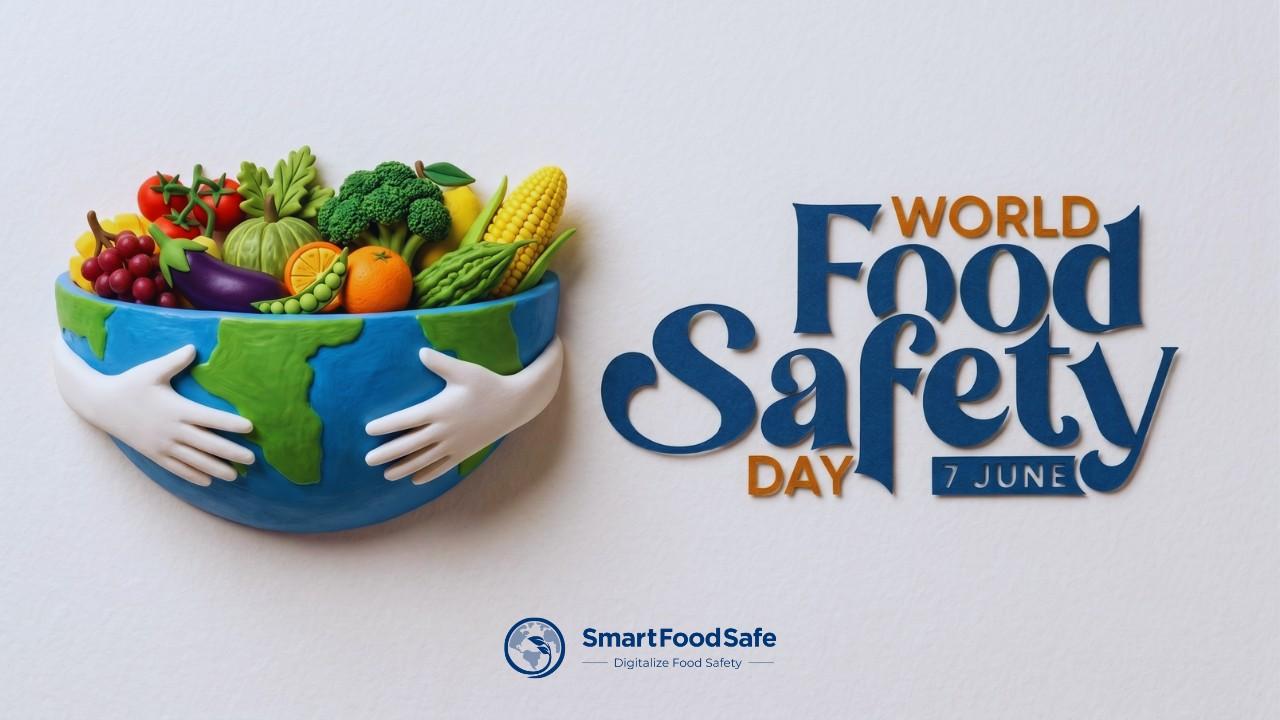
World Food Safety Day, observed annually on June 7, was established by the United Nations General Assembly in 2018 to elevate global awareness of food safety and encourage collective action to prevent, detect, and manage foodborne risks. Led by the World Health Organization (WHO) and the Food and Agriculture Organization (FAO), the observance was conceived not as a ceremonial addition to the international calendar, but as a recognition of a fundamental truth: safe food is indispensable to public health, economic stability, and sustainable development.
In an increasingly interconnected world, food safety is not confined by geography, industry, or ideology. A foodborne hazard emerging in one part of the world can swiftly affect consumers thousands of kilometres away. Pathogens do not recognise national borders, and contaminants do not discriminate between nations, communities, or socioeconomic groups. Ensuring food safety, therefore, requires a shared global commitment and coordinated action across governments, industries, scientific institutions, and consumers.
The relevance of this commitment has become even more pronounced in recent years. A significant milestone was achieved in 2025 when food safety was formally integrated into the World Health Organization's General Programme of Work 2025–2028 through the introduction of dedicated indicators to measure progress in food safety outcomes. Though seemingly technical, this development carries a significance: What gets measured gets prioritised. What gets prioritised gets funded. And what gets funded stands a far greater chance of being improved.
By embedding food safety within global health performance frameworks, the international community has signalled that food safety is no longer a peripheral concern, but a central component of public health policy and sustainable development.
More than an annual observance, World Food Safety Day serves as a reminder that protecting the integrity of the food supply is a continuous responsibility, one that underpins consumer trust, safeguards public health, and ultimately protects lives.
The theme for World Food Safety Day 2026, "From Burden to Solutions - Safe Food Everywhere", marks an important shift in global food safety thinking. For years, the conversation has centered on counting the damage: outbreaks, illnesses, deaths, and the economic costs that follow. Those numbers matter, but their true value lies not in what they reveal about the past, but in how they guide our actions for the future.
WHO's latest estimates show that unsafe food caused 866 million illnesses, 1.52 million deaths, and 57.1 million disability-adjusted life years (DALYs) in 2021 across 42 foodborne hazards, with children under five bearing nearly one-third of the burden.
That is what gives DALYs their significance. They make visible the years of healthy life lost to foodborne disease, not only through premature death, but also through disability, prolonged illness, and lasting harm. WHO has also noted that the burden of foodborne disease is comparable to malaria, HIV/AIDS, and tuberculosis. It is a striking reminder of the seriousness with which this issue must be treated in public policy. As WHO and the World Bank move towards estimating the economic impact of foodborne disease through DALYs, the metric is becoming more than an epidemiological tool by increasingly informing investment decisions, prioritisation, and accountability.
The true value of measuring the burden lies in turning knowledge into action.
Every illness recorded should strengthen surveillance. Every outbreak investigated should improve prevention. Every DALY calculated should inform a more precise response. Scientific research, surveillance data, and standardized assessments provide the evidence needed for better risk assessment, stronger controls, faster traceability, more targeted interventions, and smarter use of resources. Such evidence-based approaches strengthen national food control systems, build public confidence, and ensure that food safety is guided not merely by data, but by action.
This is precisely what the 2026 theme seeks to emphasise: moving beyond understanding the burden to implementing the solutions that can reduce it.

Food safety occupies a unique position among public health challenges because few issues demand such extensive collaboration across so many sectors, disciplines, and professions. Unlike other areas of public health where responsibility may rest primarily with a specific institution or authority, food safety is woven into every stage of the food system, making it a truly collective endeavour.
The journey of food does not begin at a manufacturing facility, nor does responsibility end when a product reaches a supermarket shelf. Safe food is the outcome of countless decisions made throughout a complex and interconnected chain that stretches from seed to soil, farm to factory, warehouse to retailer, kitchen to consumer.
Along this journey, farmers safeguard primary production, veterinarians protect animal health, scientists and laboratory professionals monitor emerging risks, manufacturers implement preventive controls, regulators establish oversight, educators build awareness, and food handlers ensure safe preparation practices. Each plays a distinct role, yet all are united by a common objective: ensuring that food reaching consumers is safe to eat.
This interconnectedness is what makes food safety both remarkable and challenging. Every participant contributes a layer of protection, but no single participant can guarantee safety alone. A robust food safety system is not built on isolated excellence; it is built on consistent diligence across every stage of the chain.
The strength of a food safety system is not measured by the absence of hazards, but by the commitment of every participant to prevent them before they reach the consumer's table.
Ultimately, this effort is about strengthening the evidence, identifying the gaps, and moving closer to the truth, so that we can build the solutions needed to make food safer for everyone, everywhere.

 French
 Spanish
 Portuguese