


 English
▾
English
▾
English
▾
English
▾
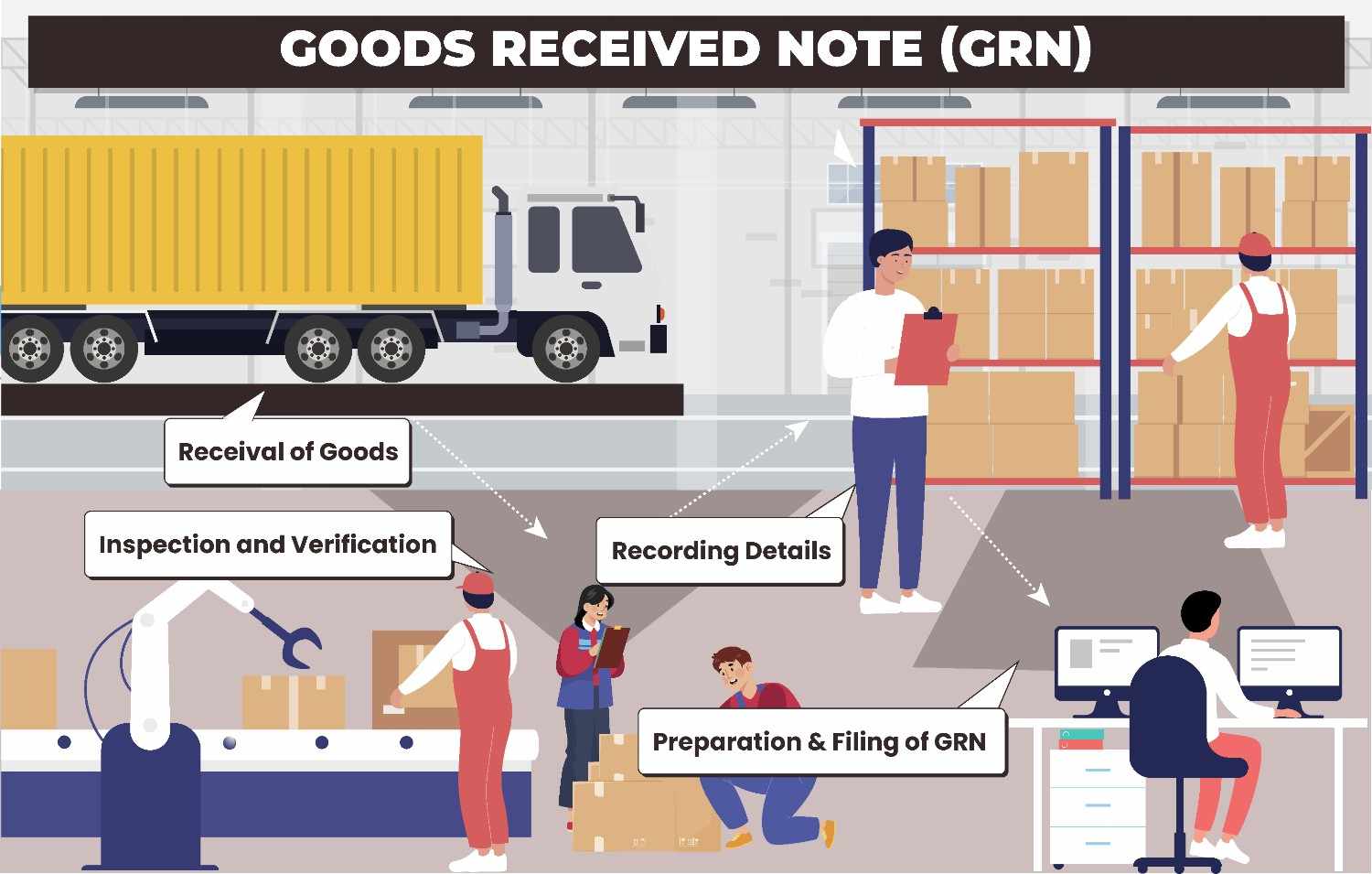
A Goods Received Note (GRN) is an essential document in the supply chain management process that serves as a mutual acknowledgment between a supplier and a customer. This document confirms the successful delivery of goods by the supplier and their receipt by the customer, ensuring both parties have fulfilled their contractual obligations.
A streamlined and efficient procurement process is critical for any successful business. It not only fosters organization but also cultivates enduring relationships with suppliers while enabling you to maintain comprehensive records of your supply data for upcoming needs. Delving into this realm of procurement, the GRN emerges as a pivotal tool that simplifies these tasks, making your operational endeavors significantly smoother.
A GRN is not just a routine administrative document but a vital tool that facilitates transparency, accountability, and efficiency in procurement and supply chain operations. It safeguards both suppliers and customers by providing a structured mechanism for validating deliveries, managing quality control, and ensuring accurate invoicing and inventory management.
A GRN serves as evidence that both the supplier and the customer have adhered to the terms of their agreement. It validates the quality and quantity of the delivered goods, providing a record for future reference and potential dispute resolution.
While suppliers are expected to deliver goods in accordance with the customer’s specifications, a GRN empowers the receiving department to verify the quality and functionality of the delivered items. This step helps prevent potential disagreements over the condition or performance of the received goods.
In cases where discrepancies or issues with the delivered goods are identified post-delivery, the GRN can be referenced to determine the initial condition of the goods upon receipt. This facilitates smoother communication between the supplier and the customer for resolving any concerns or arranging replacements.
The GRN plays a crucial role in the three-way matching process, where supplier invoices are cross-referenced with supply request notes and GRNs. This verification method helps detect and prevent billing discrepancies or fraudulent invoicing practices.
By documenting the receipt of delivered goods, GRNs contribute to maintaining accurate inventory records. This enables organizations to update their stock levels promptly, ensuring efficient warehouse management and supply chain optimization.
A GRN serves as a formal agreement between customers and suppliers and aids organizations in monitoring inventory levels. To fulfill this purpose, the following information has to be included:
This outlines the necessary information that should be present on goods received note for effective record-keeping.

Reference: https://letstranzact.com/blogs/goods-received-note
Managing the GRN process is an integral part of procurement, but it often comes with its set of challenges. Being proactive in anticipating these challenges and devising efficient solutions can lead to a smoother customer-vendor relationship. Below are some common challenges encountered while processing GRNs, along with ideal solutions to address them.
Challenge 1: Slow Turnaround Times
A GRN should ideally be issued promptly upon receiving a delivery from a supplier. However, delays often occur when the receiving department within an organization needs to inspect the delivered goods to ensure they meet quality standards. In larger organizations, this process can sometimes take up to a week, causing suppliers to wait unnecessarily.
Solution: Implementing an efficient inspection and verification system can help expedite the GRN issuance process. Automation tools can assist in streamlining inspections, enabling faster approval and issuance of GRNs.
Challenge 2: Timely Communication with Suppliers
If issues are discovered during the testing phase of received goods, smaller organizations may promptly communicate with suppliers. In contrast, larger organizations might log these issues for later processing, leading to delays for both parties.
Solution: Establish clear communication channels and protocols for reporting and resolving inventory issues. Utilizing a centralized system where both the procuring organization and suppliers can track and update the status of goods can facilitate timely communication and problem resolution.
Challenge 3: Recording Errors Leading to Invoicing Delays
Errors in recording details across multiple copies of the GRN can result in invoicing delays. These discrepancies can cause holdups when settling supplier invoices, potentially leading to additional costs due to late payments.
Solution: Employ a robust record-keeping system that ensures consistency and accuracy across all copies of the GRN. Utilizing digital solutions can help minimize human errors and organize the invoicing process, preventing delays and late payment charges.
Challenge 4: Managing the Admin Workload
Managing GRNs and addressing associated issues can be labor-intensive and time-consuming, placing a strain on the procurement department’s administrative workload.
Solution: Invest in automation and digital tools that can assist in managing GRNs, including automated tracking systems, digital issue logs, and communication platforms that reduce manual intervention and streamline administrative tasks.
Managing GRNs successfully requires overcoming various challenges that can impact the reliability of the procurement process. Creating a collaborative environment with suppliers based on transparency and mutual understanding can facilitate a smoother resolution of issues, reducing the financial and operational impact on both parties. By putting in place proactive strategies and leveraging technology-driven solutions, organizations can mitigate these challenges and enhance the overall management of GRN, fostering stronger relationships with suppliers and optimizing procurement operations.
Smart Food Safe serves as a holistic solution designed to enhance and simplify the procurement process including the processing of GRN. Through Smart Food Safe’s Smart Supplier, our software offers a flexible procurement approval mechanism, enabling businesses to establish tailored criteria and processes for assessing supplier qualifications, including contracts, certifications, quality standards, regulatory adherence, and performance indicators. Through timely alerts and notifications, it ensures ongoing compliance with supplier documentation such as GRN, promoting swift decision-making and operational efficiency.
Minimize delays in the procurement process and mitigate compliance risks related to establishing GRN with Smart Food Safe’s Smart Compliance by automating the digital validation of supplier documents against set specifications and procurement criteria. Key functionalities include centralized data storage, automated compliance checklists, real-time tracking of procurement information, customizable operational flows, instant status updates on product releases, and reporting tools. Leveraging its advanced automation features, businesses can stay ahead of compliance requirements, manage regulatory records effectively, oversee supplier and material adherence, and protect their brand integrity.

 French
 Spanish
 Portuguese