Smart Food Safe

Notification Bar
Smart Food Safe is participating in the Thaifex Anuga Asia, from May 26-30, 2026 in Bangkok, Thailand

What is Supplier Onboarding?

Supplier onboarding involves gathering the necessary information and data to establish an organization as an approved supplier or vendor. This process is designed to facilitate business transactions, the purchase of goods and services, and efficient supplier payments. Supplier onboarding includes vetting and validation to ensure the prospective supplier adheres to applicable laws, regulations, and corporate standards.

Importance of Supplier Onboarding

A well-structured vendor onboarding process fosters a strong, respectful partnership between the business and its suppliers. Implementing effective supplier onboarding procedures can significantly boost the company’s product throughput, leading to increased opportunities, higher profit margins, and greater overall profitability. Moreover, it protects the company from unnecessary risks by ensuring the supplier’s financial stability, product quality and safety, regulatory compliance, and adherence to social standards.

Setting Up a Supplier Onboarding Process

When establishing a new supplier onboarding process, it is vital to address the key requirements to ensure the new supplier is capable of serving the enterprise needs competently. Key actions include:

  1. Reviewing Approval Policies & Suppliers’ History: Set clear approval policies and standards to guide the procurement team. Check the supplier’s past performance and track record for any negative experiences to ensure reliability and service quality.
  2. Defining Expectations from the Outset: Clearly outline expectations for both parties to foster a positive working relationship. This ensures adherence to standards and deadlines, promoting a harmonious and profitable partnership.
  3. Identifying Strategic Suppliers: Recognize your most critical suppliers based on spend and value. Allocate additional resources to these suppliers to explore opportunities for revenue generation and relationship enhancement.
  4. Efficient & Effective Communication: Establish clear communication channels between the procurement team and suppliers. This helps quickly identify and resolve issues, preventing supply chain disruptions and ensuring an optimal customer experience.

Key Challenges in Supplier Onboarding

The following are the various bottlenecks faced in supplier onboarding process:

  • Insufficient Knowledge of Supplier’s Past Data: Not knowing a supplier’s history can lead to disrupted operations, non-compliance, unmet obligations due to financial or labor issues, product recalls, cancellations, legal action, and negative publicity.
  • Communication Gap: Effective communication with suppliers improves decision-making and fosters strong alliances, allowing focus on new opportunities instead of administrative issues. Transparent communication minimizes the time and effort needed to resolve problems.
  • Lack of Transparency: Limited visibility into vendors or suppliers, with processes running in isolated systems, restricts data insights and hinders stakeholders. This prevents employees from planning and prioritizing tasks effectively.

Best Practices for Overcoming Supplier Onboarding Challenges

An impactful supplier onboarding is critical for uninterrupted operations and maintaining quality standards. To overcome the common challenges in supplier onboarding, best practices for supplier onboarding are a necessity to maintain a steady stream of compliant and collaborative suppliers:

Maintain an Updated Vendor Database

Ensure your vendor database is current. This allows employees to check for existing vendors, reducing redundant onboarding and fostering strong partnerships with current vendors. It also streamlines employee requests, saving time and resources.

Vendor Approval Process

Before inviting a new vendor, the need must be approved by a procurement manager. This early involvement ensures the necessity of the vendor is validated, and the request is justified, enhancing the approval process’s efficiency.

Digitize Onboarding Processes

Automate manual processes such as forms, agreements, and data entry into the ERP system. This reduces errors, saves time, and enriches supplier profiles by collecting valuable data.

Centralize Onboarding Interactions

Move all onboarding-related processes from emails and spreadsheets to a centralized platform. An automated supplier management tool can streamline this transition, making the process seamless and efficient.

By making these practices the norm, businesses can create a systematic, cost-effective, and streamlined supplier onboarding process.

Smart Supplier Offers an Innovative Supplier Onboarding Functionality

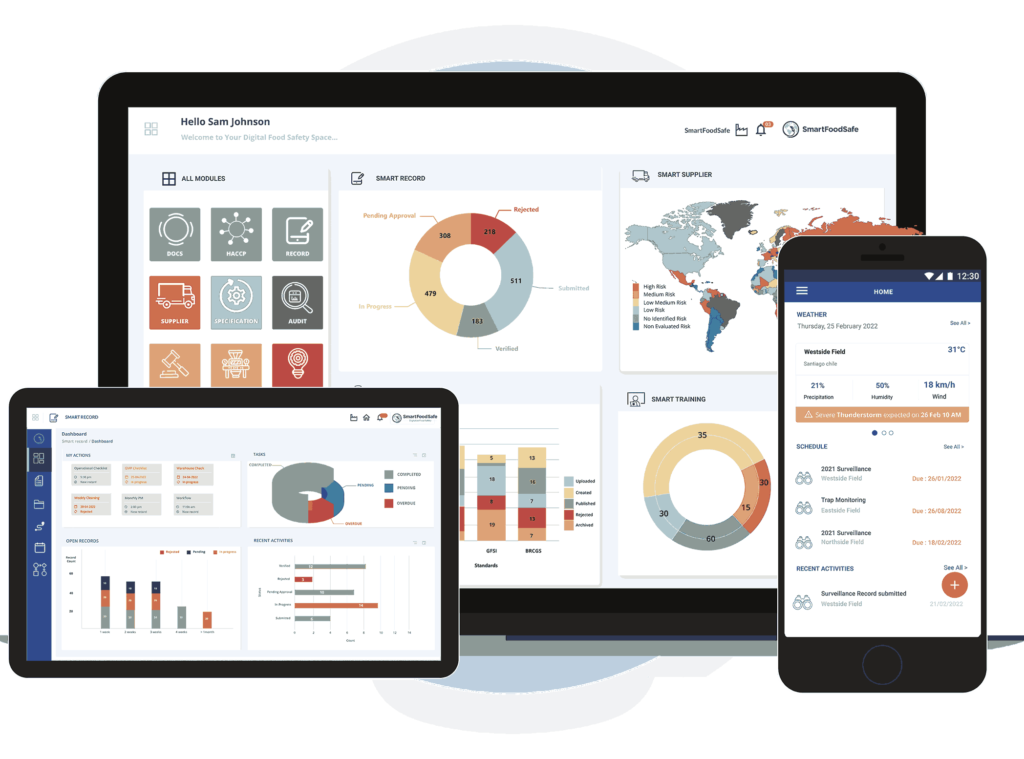
Smart Food Safe’s Smart Supplier has revolutionized supplier onboarding with a digitalized process, designed to enhance every step of bringing new suppliers into your enterprise ecosystem. This is made possible by:

  1. Streamlined Onboarding Process – Smart Supplier’s onboarding functionality simplifies the traditionally cumbersome and time-consuming process of onboarding new suppliers. With a user-friendly interface, suppliers can easily submit required documentation, certifications, and compliance information. The platform’s automated workflows ensure that all necessary steps are completed in a timely manner, reducing the administrative burden on your procurement team.
  2. Automated Compliance Checks – Ensuring supplier compliance with industry standards and regulations is a critical component of the onboarding process. Smart Supplier automates compliance checks, cross-referencing submitted documents with regulatory databases to verify authenticity and compliance. This automation reduces the risk of non-compliance and ensures that only qualified suppliers are approved.
  3. Centralized Document Management – All supplier documentation is stored in a centralized, cloud-based repository, making it easily accessible for review and audit purposes. The Smart Supplier platform supports a wide range of document formats and provides version control, ensuring that your team always has access to the most up-to-date information.
  4. Customizable Onboarding Workflows – Smart Supplier’s onboarding functionality is highly customizable, allowing organizations to tailor the process to their specific needs. Whether you require additional steps for high-risk suppliers or streamlined processes for low-risk partners, the platform adapts to your unique requirements, ensuring a smooth and efficient onboarding experience for all.
  5. Real-Time Collaboration and Communication – Effective communication between your team and potential suppliers is essential for a successful onboarding process. Smart Supplier includes built-in collaboration tools that facilitate real-time communication, document sharing, and feedback. This ensures that any issues or questions are addressed promptly, keeping the onboarding process on track.
  6. Enhanced Visibility and Reporting – With Smart Supplier, you gain enhanced visibility into the onboarding process through comprehensive reporting and analytics. Track the progress of each supplier, identify bottlenecks, and make data-driven decisions to improve the efficiency and effectiveness of your onboarding process. The platform’s dashboards provide real-time insights, allowing you to monitor key metrics and ensure that your supplier base is robust and compliant.

Receive Quality Management Updates

Subscribe Today!

What is Supplier Onboarding?

Supplier onboarding involves gathering the necessary information and data to establish an organization as an approved supplier or vendor. This process is designed to facilitate business transactions, the purchase of goods and services, and efficient supplier payments. Supplier onboarding includes vetting and validation to ensure the prospective supplier adheres to applicable laws, regulations, and corporate standards.

Importance of Supplier Onboarding

A well-structured vendor onboarding process fosters a strong, respectful partnership between the business and its suppliers. Implementing effective supplier onboarding procedures can significantly boost the company’s product throughput, leading to increased opportunities, higher profit margins, and greater overall profitability. Moreover, it protects the company from unnecessary risks by ensuring the supplier’s financial stability, product quality and safety, regulatory compliance, and adherence to social standards.

Setting Up a Supplier Onboarding Process

When establishing a new supplier onboarding process, it is vital to address the key requirements to ensure the new supplier is capable of serving the enterprise needs competently. Key actions include:

  1. Reviewing Approval Policies & Suppliers’ History: Set clear approval policies and standards to guide the procurement team. Check the supplier’s past performance and track record for any negative experiences to ensure reliability and service quality.
  2. Defining Expectations from the Outset: Clearly outline expectations for both parties to foster a positive working relationship. This ensures adherence to standards and deadlines, promoting a harmonious and profitable partnership.
  3. Identifying Strategic Suppliers: Recognize your most critical suppliers based on spend and value. Allocate additional resources to these suppliers to explore opportunities for revenue generation and relationship enhancement.
  4. Efficient & Effective Communication: Establish clear communication channels between the procurement team and suppliers. This helps quickly identify and resolve issues, preventing supply chain disruptions and ensuring an optimal customer experience.

Key Challenges in Supplier Onboarding

The following are the various bottlenecks faced in supplier onboarding process:

  • Insufficient Knowledge of Supplier’s Past Data: Not knowing a supplier’s history can lead to disrupted operations, non-compliance, unmet obligations due to financial or labor issues, product recalls, cancellations, legal action, and negative publicity.
  • Communication Gap: Effective communication with suppliers improves decision-making and fosters strong alliances, allowing focus on new opportunities instead of administrative issues. Transparent communication minimizes the time and effort needed to resolve problems.
  • Lack of Transparency: Limited visibility into vendors or suppliers, with processes running in isolated systems, restricts data insights and hinders stakeholders. This prevents employees from planning and prioritizing tasks effectively.

Best Practices for Overcoming Supplier Onboarding Challenges

An impactful supplier onboarding is critical for uninterrupted operations and maintaining quality standards. To overcome the common challenges in supplier onboarding, best practices for supplier onboarding are a necessity to maintain a steady stream of compliant and collaborative suppliers:

Maintain an Updated Vendor Database

Ensure your vendor database is current. This allows employees to check for existing vendors, reducing redundant onboarding and fostering strong partnerships with current vendors. It also streamlines employee requests, saving time and resources.

Vendor Approval Process

Before inviting a new vendor, the need must be approved by a procurement manager. This early involvement ensures the necessity of the vendor is validated, and the request is justified, enhancing the approval process’s efficiency.

Digitize Onboarding Processes

Automate manual processes such as forms, agreements, and data entry into the ERP system. This reduces errors, saves time, and enriches supplier profiles by collecting valuable data.

Centralize Onboarding Interactions

Move all onboarding-related processes from emails and spreadsheets to a centralized platform. An automated supplier management tool can streamline this transition, making the process seamless and efficient.

By making these practices the norm, businesses can create a systematic, cost-effective, and streamlined supplier onboarding process.

Smart Supplier Offers an Innovative Supplier Onboarding Functionality

Smart Food Safe’s Smart Supplier has revolutionized supplier onboarding with a digitalized process, designed to enhance every step of bringing new suppliers into your enterprise ecosystem. This is made possible by:

  1. Streamlined Onboarding Process – Smart Supplier’s onboarding functionality simplifies the traditionally cumbersome and time-consuming process of onboarding new suppliers. With a user-friendly interface, suppliers can easily submit required documentation, certifications, and compliance information. The platform’s automated workflows ensure that all necessary steps are completed in a timely manner, reducing the administrative burden on your procurement team.
  2. Automated Compliance Checks – Ensuring supplier compliance with industry standards and regulations is a critical component of the onboarding process. Smart Supplier automates compliance checks, cross-referencing submitted documents with regulatory databases to verify authenticity and compliance. This automation reduces the risk of non-compliance and ensures that only qualified suppliers are approved.
  3. Centralized Document Management – All supplier documentation is stored in a centralized, cloud-based repository, making it easily accessible for review and audit purposes. The Smart Supplier platform supports a wide range of document formats and provides version control, ensuring that your team always has access to the most up-to-date information.
  4. Customizable Onboarding Workflows – Smart Supplier’s onboarding functionality is highly customizable, allowing organizations to tailor the process to their specific needs. Whether you require additional steps for high-risk suppliers or streamlined processes for low-risk partners, the platform adapts to your unique requirements, ensuring a smooth and efficient onboarding experience for all.
  5. Real-Time Collaboration and Communication – Effective communication between your team and potential suppliers is essential for a successful onboarding process. Smart Supplier includes built-in collaboration tools that facilitate real-time communication, document sharing, and feedback. This ensures that any issues or questions are addressed promptly, keeping the onboarding process on track.
  6. Enhanced Visibility and Reporting – With Smart Supplier, you gain enhanced visibility into the onboarding process through comprehensive reporting and analytics. Track the progress of each supplier, identify bottlenecks, and make data-driven decisions to improve the efficiency and effectiveness of your onboarding process. The platform’s dashboards provide real-time insights, allowing you to monitor key metrics and ensure that your supplier base is robust and compliant.

Receive Quality Management Updates

Subscribe Today!

1