Smart Food Safe

Notification Bar
Smart Food Safe is participating in the Pet Food Forum, from April 27-29, 2026 in Kansas City, Missouri, USA. Meet us there!

What is S2P?

The Source-to-Pay (S2P) process is a comprehensive business procedure that involves all activities related to the procurement of goods and services, starting from identifying the need for a product or service to making the final payment to the supplier. It integrates various procurement processes and functions to set and execute procurement strategies, aiming for cost savings, operational efficiency, business and user requirements, and effective supplier lifecycle management.

S2P treats procurement as a collection of isolated tasks with leading organizations integrate purchases across various business units. This integration improves overall performance, augments spend analysis, and drives greater business value. 

Source-to-Contract & Procure-to-Pay

The S2P process can be divided into two main sections: source-to-contract and procure-to-pay. The source-to-contract phase involves the complete sourcing process, resulting in the onboarding of a contracted supplier. Procure-to-pay represents the operational or transactional component of the procurement process, typically involving five steps: intake/request forms, purchase requisition, purchase order, receipt, invoice, and payment.

Overall, the source-to-pay process covers the entire procurement lifecycle, making it a fundamental aspect of daily operations for most businesses. It provides a streamlined framework for meeting procurement needs.

Stages of the Source-to-Pay (S2P) Process

The S2P process typically consists of seven key stages:

  1. Spend Analysis: One of the initial steps for a procurement organization is to understand their spending. This involves determining from whom they are buying, what they are buying, the quantities, the prices, and whether the purchases are on or off-contract. This analysis is an ongoing activity.
  2. Supplier Management: This foundational stage involves supplier onboarding, information management, risk management, and performance management throughout the supplier relationship lifecycle. All parts of the S2P process are connected to suppliers, making it essential to have a comprehensive view and access to supplier data. Additional activities include improvement plans and overall supplier collaboration.
  3. Sourcing: Based on data analysis, this stage identifies sourcing opportunities or business requirements for specific goods or services. Activities include supplier discovery, creating requests for proposals (RFPs), analyzing supplier responses and quotes, and selecting one or more suppliers.
  4. Contract Management: Following sourcing, this stage involves creating and authoring contracts, negotiating terms and conditions, and obtaining final approval. This is where strategic and operational processes intersect. The contract governs the relationship between the buyer and supplier, informing the procure-to-pay process.
  5. Procurement: Once sourcing and contracting are complete, the procurement stage begins. Internal stakeholders generate intake forms or purchase requisitions to request the needed goods or services, or they access an internal e-commerce site with approved items for purchase. These requisitions often undergo approval processes, leading to the creation and dispatch of purchase orders to suppliers, specifying the quantity, price, and purchase terms.
  6. Receiving and Invoicing: Upon receiving the goods or services from the supplier, this stage involves verifying that they meet the agreed-upon specifications and quantities. Supplier invoices are received and verified to ensure they match the purchase orders and the actual goods or services received. Any discrepancies and compliance issues are addressed during this stage.
  7. Payment and Settlement: After verifying the invoices, payments are processed, and funds are transferred to the supplier based on the agreed payment terms. This stage involves financial reconciliation, ensuring that invoices are paid accurately and on time.

These seven stages in the source-to-pay process help organizations manage their procurement activities efficiently, reduce costs, maintain supplier relationships, and ensure compliance with procurement policies and regulations. 

Bottlenecks Faced in S2P 

The source-to-pay process is vital for any business that requires goods or services from external suppliers. Therefore, any challenges within this process can significantly threaten enterprise performance. 

Common challenges businesses encounter in this area include:

  • Inter-Departmental Friction: The source-to-pay process involves multiple internal departments, which can lead to friction during transitional steps, causing delays or errors.
  • Labor-Intensive Processes: Many steps in the source-to-pay process are labor-intensive, requiring substantial manual input and diverting time away from other opportunities.
  • Data Management: Effective sourcing, contractual negotiations, and supplier onboarding require centrally available data for stakeholders to access.
  • Supplier Risk Identification: Identifying supplier risks is critical due to the potential threats they pose to businesses. However, this process is complex.

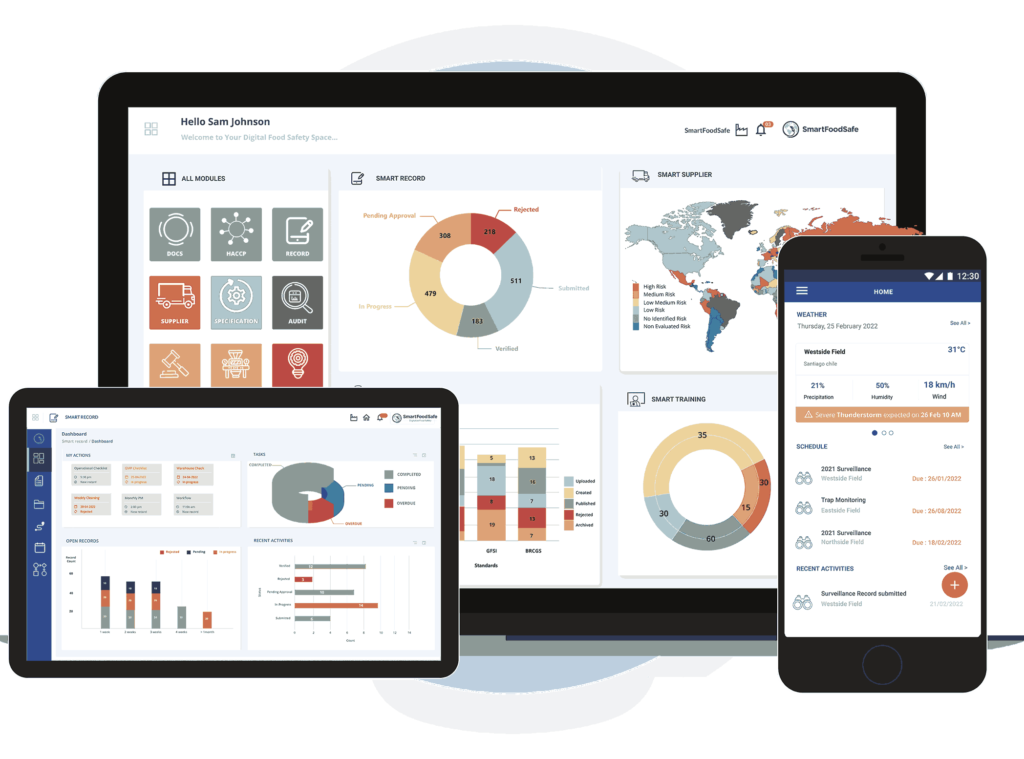
One key opportunity to improve efficiency in source-to-pay activities is through automation. Increasingly, businesses are leveraging technology to optimize the steps in the source-to-pay process, using data and automation to enhance operational output. These solutions typically include modules that digitize supplier selection, contract management, supplier management, and the accounts payable process. Digitalizing core S2P processes and documents simplify the procurement workflow and fosters better collaboration. 

Automation of S2P

Managing the interconnected processes within S2P can be challenging when dealing with data and process silos. Disconnected procurement workflows and fragmented data lead to inefficiencies and extra work. A unified S2P platform addresses these issues by providing seamless integration, improving data visibility and organizing workflows, thereby allowing you to focus on strategic initiatives. S2P software offers a cohesive and modern user experience across all S2P processes and data. Real-time supplier data enhances S2P activities, while integrated workflows ensure smooth business operations. 

The benefits of an efficient, automated, and connected source-to-pay process include:

  • Faster and more effective identification and capture of savings
  • Enhanced orchestration and visibility of all spending
  • Improved management of supplier relationships
  • Better visibility into supplier risk and performance
  • Increased efficiency and automation of transactional processes
  • Compliance controls where necessary
  • Higher quality data regarding spending and suppliers

Receive Quality Management Updates

Subscribe Today!

What is S2P?

The Source-to-Pay (S2P) process is a comprehensive business procedure that involves all activities related to the procurement of goods and services, starting from identifying the need for a product or service to making the final payment to the supplier. It integrates various procurement processes and functions to set and execute procurement strategies, aiming for cost savings, operational efficiency, business and user requirements, and effective supplier lifecycle management.

S2P treats procurement as a collection of isolated tasks with leading organizations integrate purchases across various business units. This integration improves overall performance, augments spend analysis, and drives greater business value. 

Source-to-Contract & Procure-to-Pay

The S2P process can be divided into two main sections: source-to-contract and procure-to-pay. The source-to-contract phase involves the complete sourcing process, resulting in the onboarding of a contracted supplier. Procure-to-pay represents the operational or transactional component of the procurement process, typically involving five steps: intake/request forms, purchase requisition, purchase order, receipt, invoice, and payment.

Overall, the source-to-pay process covers the entire procurement lifecycle, making it a fundamental aspect of daily operations for most businesses. It provides a streamlined framework for meeting procurement needs.

Stages of the Source-to-Pay (S2P) Process

The S2P process typically consists of seven key stages:

  1. Spend Analysis: One of the initial steps for a procurement organization is to understand their spending. This involves determining from whom they are buying, what they are buying, the quantities, the prices, and whether the purchases are on or off-contract. This analysis is an ongoing activity.
  2. Supplier Management: This foundational stage involves supplier onboarding, information management, risk management, and performance management throughout the supplier relationship lifecycle. All parts of the S2P process are connected to suppliers, making it essential to have a comprehensive view and access to supplier data. Additional activities include improvement plans and overall supplier collaboration.
  3. Sourcing: Based on data analysis, this stage identifies sourcing opportunities or business requirements for specific goods or services. Activities include supplier discovery, creating requests for proposals (RFPs), analyzing supplier responses and quotes, and selecting one or more suppliers.
  4. Contract Management: Following sourcing, this stage involves creating and authoring contracts, negotiating terms and conditions, and obtaining final approval. This is where strategic and operational processes intersect. The contract governs the relationship between the buyer and supplier, informing the procure-to-pay process.
  5. Procurement: Once sourcing and contracting are complete, the procurement stage begins. Internal stakeholders generate intake forms or purchase requisitions to request the needed goods or services, or they access an internal e-commerce site with approved items for purchase. These requisitions often undergo approval processes, leading to the creation and dispatch of purchase orders to suppliers, specifying the quantity, price, and purchase terms.
  6. Receiving and Invoicing: Upon receiving the goods or services from the supplier, this stage involves verifying that they meet the agreed-upon specifications and quantities. Supplier invoices are received and verified to ensure they match the purchase orders and the actual goods or services received. Any discrepancies and compliance issues are addressed during this stage.
  7. Payment and Settlement: After verifying the invoices, payments are processed, and funds are transferred to the supplier based on the agreed payment terms. This stage involves financial reconciliation, ensuring that invoices are paid accurately and on time.

These seven stages in the source-to-pay process help organizations manage their procurement activities efficiently, reduce costs, maintain supplier relationships, and ensure compliance with procurement policies and regulations. 

Bottlenecks Faced in S2P 

The source-to-pay process is vital for any business that requires goods or services from external suppliers. Therefore, any challenges within this process can significantly threaten enterprise performance. 

Common challenges businesses encounter in this area include:

  • Inter-Departmental Friction: The source-to-pay process involves multiple internal departments, which can lead to friction during transitional steps, causing delays or errors.
  • Labor-Intensive Processes: Many steps in the source-to-pay process are labor-intensive, requiring substantial manual input and diverting time away from other opportunities.
  • Data Management: Effective sourcing, contractual negotiations, and supplier onboarding require centrally available data for stakeholders to access.
  • Supplier Risk Identification: Identifying supplier risks is critical due to the potential threats they pose to businesses. However, this process is complex.

One key opportunity to improve efficiency in source-to-pay activities is through automation. Increasingly, businesses are leveraging technology to optimize the steps in the source-to-pay process, using data and automation to enhance operational output. These solutions typically include modules that digitize supplier selection, contract management, supplier management, and the accounts payable process. Digitalizing core S2P processes and documents simplify the procurement workflow and fosters better collaboration. 

Automation of S2P

Managing the interconnected processes within S2P can be challenging when dealing with data and process silos. Disconnected procurement workflows and fragmented data lead to inefficiencies and extra work. A unified S2P platform addresses these issues by providing seamless integration, improving data visibility and organizing workflows, thereby allowing you to focus on strategic initiatives. S2P software offers a cohesive and modern user experience across all S2P processes and data. Real-time supplier data enhances S2P activities, while integrated workflows ensure smooth business operations. 

The benefits of an efficient, automated, and connected source-to-pay process include:

  • Faster and more effective identification and capture of savings
  • Enhanced orchestration and visibility of all spending
  • Improved management of supplier relationships
  • Better visibility into supplier risk and performance
  • Increased efficiency and automation of transactional processes
  • Compliance controls where necessary
  • Higher quality data regarding spending and suppliers

Receive Quality Management Updates

Subscribe Today!

1