


What if the foods that we normally consider as healthy, like a plant-based supplement, frozen berries in a breakfast smoothie, or a simple spread of cream cheese suddenly turn into unexpected carriers of disease?
Health officials in several states in the US are rushing to trace a Salmonella outbreak that has been linked not to street food or suspicious leftovers but to moringa powder capsules; these are health supplements that are advertised as pure, plant-based vitality. The situation is indeed ironic. A product taken for the purpose of health has become a reason for hospital visits, and it is also reported that the strain is unfortunately resistant to the antibiotics most frequently used.
Simultaneously, frozen blueberries, the very emblem of antioxidant virtues, are also in a recall list due to potential Listeria contamination in the US. Similarly, cream cheese, a staple of breakfast tables, has been taken off the shelves due to the same microbial problem.
This is microbial realism!
Foodborne illness arrives discreetly, starting with a low-grade fever mistaken for fatigue or abdominal cramps dismissed as indigestion. But for pregnant women, older adults, young children, and those with weakened immunity, pathogens such as Salmonella and Listeria are adversaries capable of systemic infection, miscarriage, meningitis, or worse.
In this guide, we’ll break down exactly what foodborne illness is, spotlight the most common foodborne pathogens, review the latest global and regional statistics (including recent outbreaks), and share practical solutions for consumers and food processors.
What Is Foodborne Illness?
Foodborne illness occurs when you consume food or beverages contaminated with harmful microorganisms (bacteria, viruses, parasites) or their toxins. Contamination can happen at any stage starting right from farming, processing, transportation, storage, or preparation. Unlike food allergies or intolerances, these are infectious or toxin-mediated conditions that trigger gastrointestinal distress and, in severe cases, long-term complications or death.
It doesn’t always take a large dose of bacteria to make someone sick; even low levels of certain pathogens can cause illness, especially in ready-to-eat foods or undercooked items. Hence, more than “bad food”, it’s about microbial survival, growth, and ingestion.
The Most Common Foodborne Pathogens
Dozens of agents cause food poisoning, but a handful dominate. Here are the heavy hitters, with key facts referenced from the FDA Bad Bug Book:
-
Salmonella spp.: A bacterial infection classic. It invades the intestinal lining, triggering inflammation and fluid loss. Common in poultry, eggs, meat, and raw produce. Infective dose can be as low as 10–100 organisms in vulnerable people.

https://www.fda.gov/food/foodborne-pathogens/salmonella-salmonellosis -
Campylobacter jejuni: Another bacterial invader, primarily from undercooked poultry or unpasteurized milk. It damages the gut lining and can lead to Guillain-Barré syndrome in rare cases.

https://www.cdc.gov/campylobacter/about/index.html -
Escherichia coli (STEC, especially O157:H7): Produces Shiga toxins that destroy blood vessels and kidney cells.

https://www.cdc.gov/ecoli/about/index.html -
Listeria monocytogenes: A hardy bacterium that grows even in refrigerator temperatures (psychrotrophic).

https://www.cdc.gov/listeria/about/index.html -
Norovirus: Highly contagious viral agent responsible for most outbreaks.

https://www.nfid.org/infectious-disease/norovirus/ -
Clostridium perfringens: Spore-forming bacterium producing enterotoxins in the gut.

https://en.wikipedia.org/wiki/Clostridium_perfringens -
Staphylococcus aureus: Produces heat-stable enterotoxins in foods left at room temperature.

https://www.cdc.gov/staphylococcus-aureus/about/index.html
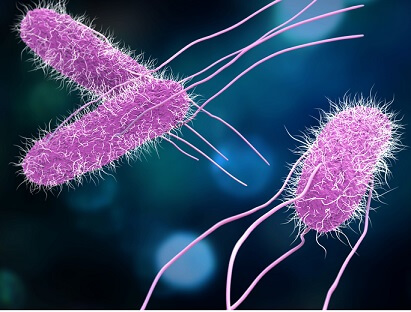
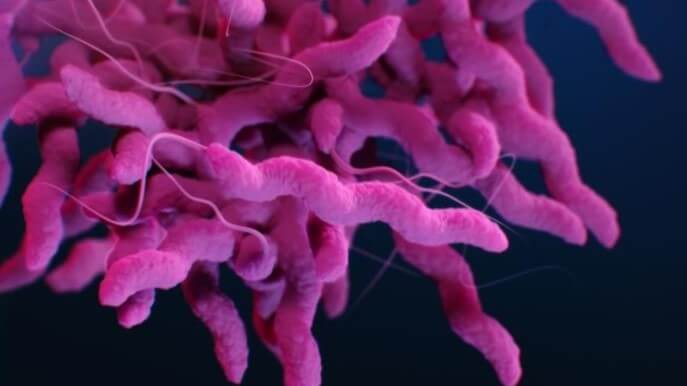
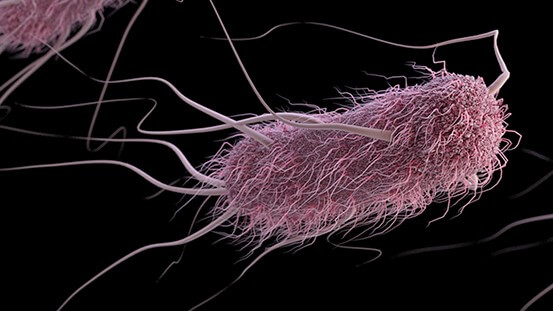
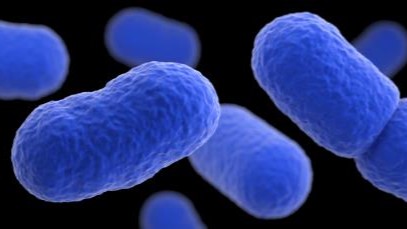
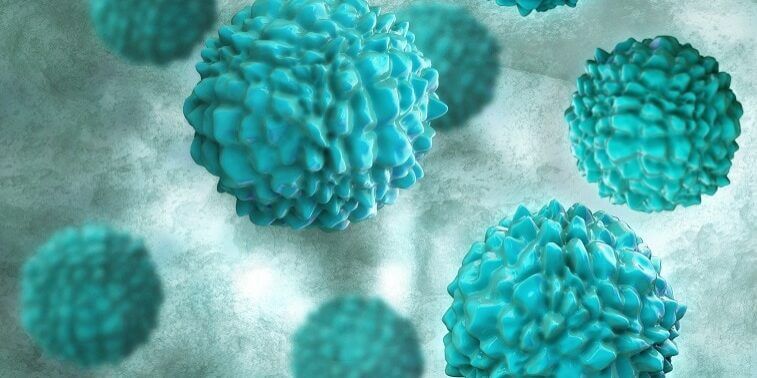
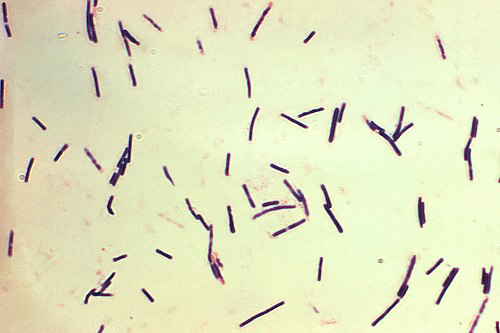
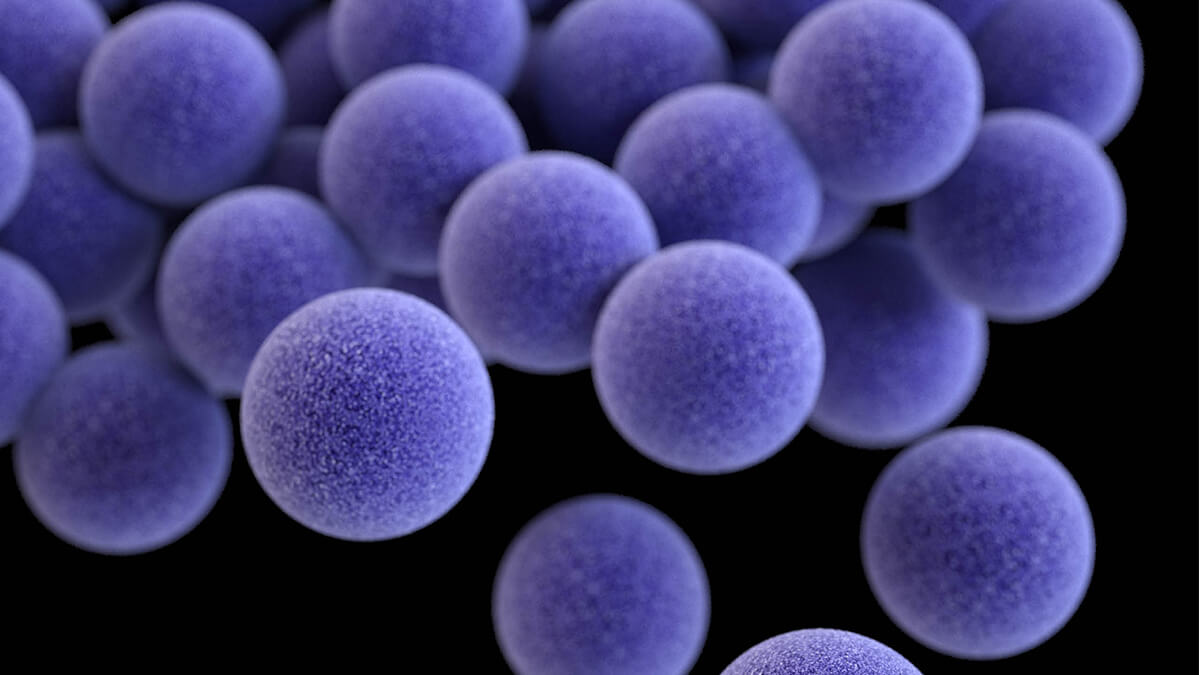
These pathogens exploit gaps in the “farm-to-fork” chain through improper temperature control, cross-contamination, or inadequate sanitation.
Comparison of Symptoms by Common Foodborne Pathogens
| Pathogen | Typical Onset | Key Symptoms | Severe Complications |
|---|---|---|---|
| Salmonella | 6–48 hours | Diarrhea, fever, abdominal cramps, vomiting | Bloodstream infection (in vulnerable groups) |
| STEC (E. coli O157:H7) | 1–4 days | Severe cramps, bloody diarrhea, little/no fever | Hemolytic Uremic Syndrome (kidney failure) |
| Listeria monocytogenes | Few days to weeks | Fever, muscle aches, nausea | Meningitis, septicemia, miscarriage, stillbirth |
| Campylobacter | 2–5 days | Diarrhea (often bloody), fever, stomach pain | Guillain-Barré syndrome (rare neurological disorder) |
| Norovirus | 12–48 hours | Sudden vomiting, watery diarrhea, cramps | Severe dehydration (especially in elderly/children) |
| Staphylococcus aureus (toxin) | 1–6 hours | Rapid nausea, vomiting, stomach cramps | Severe dehydration (usually short-lived illness) |
Who Is Affected? Major Stakeholders
When one link fails, the ripple effect touches all. But the burden falls hardest on vulnerable populations, and those with weakened immune systems account for the majority of severe outcomes.
Major stakeholders include:
- Consumers & families: Home-prepared and restaurant foods both pose risk when safe practices lapse.
- Vulnerable groups: Infants, elderly people, pregnant people, and those with weakened immune systems often experience severe outcomes.
- Food industry: Farms, processors, manufacturers, and foodservice operators suffer recalls, legal risk, and brand damage.
- Public health & regulators: Detection, outbreak response, and surveillance require coordination across laboratories, clinicians, and agencies such as the Centers for Disease Control and Prevention and the U.S. Food and Drug Administration.
How Big Is the Problem Today?
The Global Burden: 2024–2026 Statistics
The scale of foodborne illness is staggering. As we move through 2026, the World Health Organization (WHO) is preparing to release updated global estimates, but recent trends from 2024 and 2025 already paint a sobering picture.
| Region | Estimated Annual Impact | Recent Trends (2024–2025) |
|---|---|---|
| United States | 48 million illnesses; 3,000 deaths | Severe cases doubled in 2024; significant rise in Listeria and E. coli recalls. |
| European Union | ~62,000 reported outbreak cases | 14.5% increase in outbreaks in 2024; Salmonella remains the top multi-country threat. |
| Canada | 4 million illnesses; 200 deaths | Listeria outbreaks linked to plant-based beverages marked a major 2024 concern. |
The Science Behind the Illness
Pathogens cause harm in two main ways: infection (bacteria and viruses multiply inside the body) or intoxication (pre-formed toxins are ingested).
- Bacteria like Salmonella and Campylobacter use flagella and invasins to penetrate intestinal cells, triggering immune responses that produce diarrhea to flush them out.
- Toxin-producers like STEC release Shiga toxin, which inhibits protein synthesis in host cells, leading to bloody diarrhea and hemolytic uremic syndrome.
- Listeria has a unique ability to survive cold and form biofilms on food-contact surfaces, explaining its persistence in processing plants.
- Viruses like norovirus hijack gut epithelial cells for rapid replication without needing to grow in food itself.
- Spore-formers (Clostridium, Bacillus) endure heat, then germinate and produce toxins when conditions improve.
Foodborne Illness Prevention: What Consumers and Food Processing Industries Must Do
Evidence from outbreak investigations repeatedly shows that simple lapses like sick staff, improper cooling, or poor sanitation are common root causes. Good design (process, facility layout, and culture) removes opportunities for pathogen growth.
For Consumers: Practice the Four Core Food Safety Rules
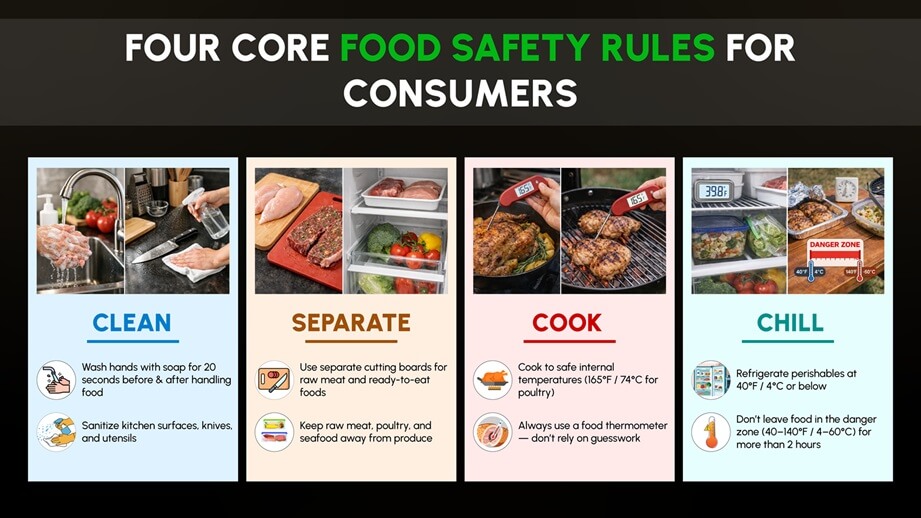
- Clean
- Wash hands with soap and water for at least 20 seconds before and after handling food.
- Clean kitchen surfaces, knives, and utensils thoroughly.
- Separate
- Use separate cutting boards for raw meat and ready-to-eat foods.
- Keep raw foods away from fresh produce and cooked items to prevent cross-contamination.
- Cook
- Cook foods to safe internal temperatures (e.g., 165°F / 74°C for poultry).
- Use a food thermometer — guessing isn’t enough.
- Chill
- Refrigerate perishables promptly at 40°F / 4°C or below.
- Avoid leaving food in the “danger zone” (40–140°F / 4–60°C) for more than two hours.
For Food Processing Industries: Strengthen Systems and Surveillance
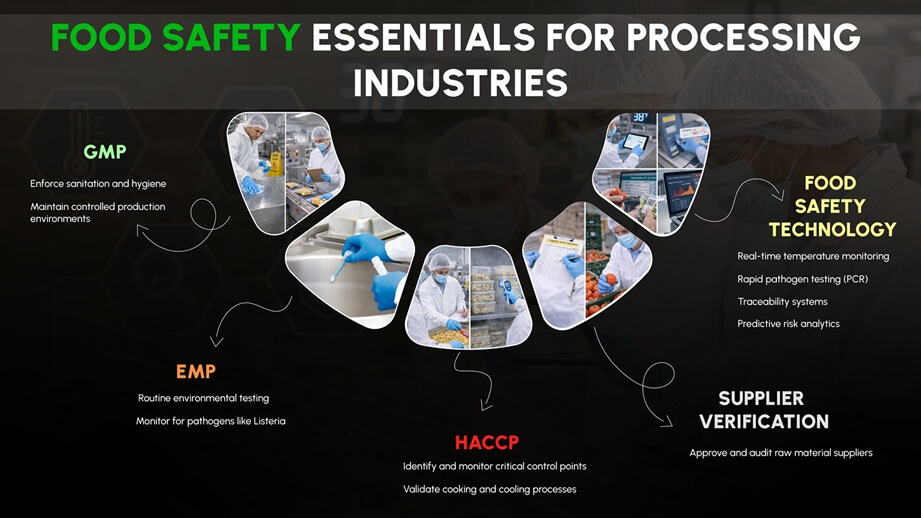
- Implement Good Manufacturing Practices (GMP)
- Enforce sanitation, hygiene, and controlled processing environments.
- Apply HACCP Principles
- Identify critical control points and validate cooking and cooling processes.
- Conduct Environmental Monitoring Programs (EMP)
- Routinely test for pathogens such as Listeria in processing environments.
- Maintain Supplier Verification Programs
- Ensure raw materials meet strict safety and compliance standards.
- Adopt Advanced Food Safety Technologies
- Real-time temperature monitoring sensors
- Rapid PCR-based pathogen testing
- Blockchain-enabled traceability systems
- AI-driven predictive analytics for early risk detection
Together, disciplined hygiene at home and robust, technology-backed controls in industry form the strongest defense against foodborne illness.
How Food Safety Technology Strengthens Pathogen Detection, Traceability, and Compliance
Food safety today is no longer just about reacting to contamination — it’s about detecting risks early and acting fast. Advanced food safety technology helps bridge the gap between identifying a problem and controlling it before it escalates.
- Real-time temperature monitoring prevents products from entering the danger zone.
- Automated alerts and corrective-action tracking ensure deviations are addressed immediately.
- Integrated lab data systems connect environmental monitoring results with production records.
- Centralized documentation strengthens GMP and HACCP compliance while improving audit readiness.
- Predictive analytics identify patterns, recurring deviations, and early warning signals — detecting similarities in abnormalities before they evolve into contamination events.
Modern food safety demands early risk detection and rapid response. Breakthrough technologies significantly shorten the time between problem identification and corrective action.
What used to be scattered spreadsheets and delayed responses are now clear, actionable insights delivered through digital platforms. When an Environmental Monitoring Program (EMP) is digitized, it becomes a proactive tool for detecting pathogens such as Listeria and Salmonella before they reach finished products.
Software like Smart Food Safe simplifies food safety management by centralizing environmental monitoring data, corrective actions, and traceability workflows in a single system. This enables faster decision-making, stronger regulatory compliance, and a lower risk of costly recalls.
Takeaway Message: Prevention Is a Shared Responsibility
When trusted, everyday foods — especially those chosen for their health benefits — become sources of illness, it underscores a critical truth: food safety cannot be taken for granted. But these events also prove that most foodborne illnesses are not inevitable. They result from preventable breakdowns that can be addressed through awareness, consistent habits, responsible practices throughout the supply chain, strong regulatory oversight, and tools designed to make excellence easier and more reliable.
Meals should nourish the body and bring people together instead of creating fear or harm. By making thoughtful choices at home, demanding accountability from producers, and supporting systems that catch problems early, we can transform rare but shocking headlines into increasingly uncommon exceptions.
Safer food is the outcome of shared responsibility and deliberate action. Let’s commit to making it the everyday standard.