Smart Food Safe

Notification Bar
Smart Food Safe is participating in the IAFP Annual Meeting, on July 26-29 in New Orleans, Louisiana, Meet Us There

Food Safety Management

The Worm in the Apple: The Hidden Link Between Your Diet and Australia’s Second Deadliest Cancer

June 16, 2026 | Written by Smart Food Safe Team

Food Safety Management

The Worm in the Apple: The Hidden Link Between Your Diet and Australia’s Second Deadliest Cancer

June 16, 2026

The Worm in the Apple: The Hidden Link Between Your Diet and Australia's Second Deadliest Cancer
thumbnail

Australia has one of the highest bowel cancer rates in the world, with nearly 6,000 deaths each year. Many of these cases are considered preventable through long-term diet and lifestyle patterns.

On Red Apple Day, it's worth looking closely at what food safety science and population trends are revealing. Increasingly, attention is turning to how everyday eating habits over decades may be influencing risk.

Australians born after the 1980s have grown up in a food environment shaped by ultra-processed products, lower fibre intake, and convenience-driven diets. These shifts are now being reflected in rising cases among younger age groups.

Before we go further, how much do you know about your bowel cancer risk?

Before we go further, how much do you know about your bowel cancer risk?

What a Simple Apple Can Teach Us About Early Detection

Look at the Bowel Cancer Australia logo closely

Bowel Cancer Australia red apple logo symbolising early detection of bowel cancer

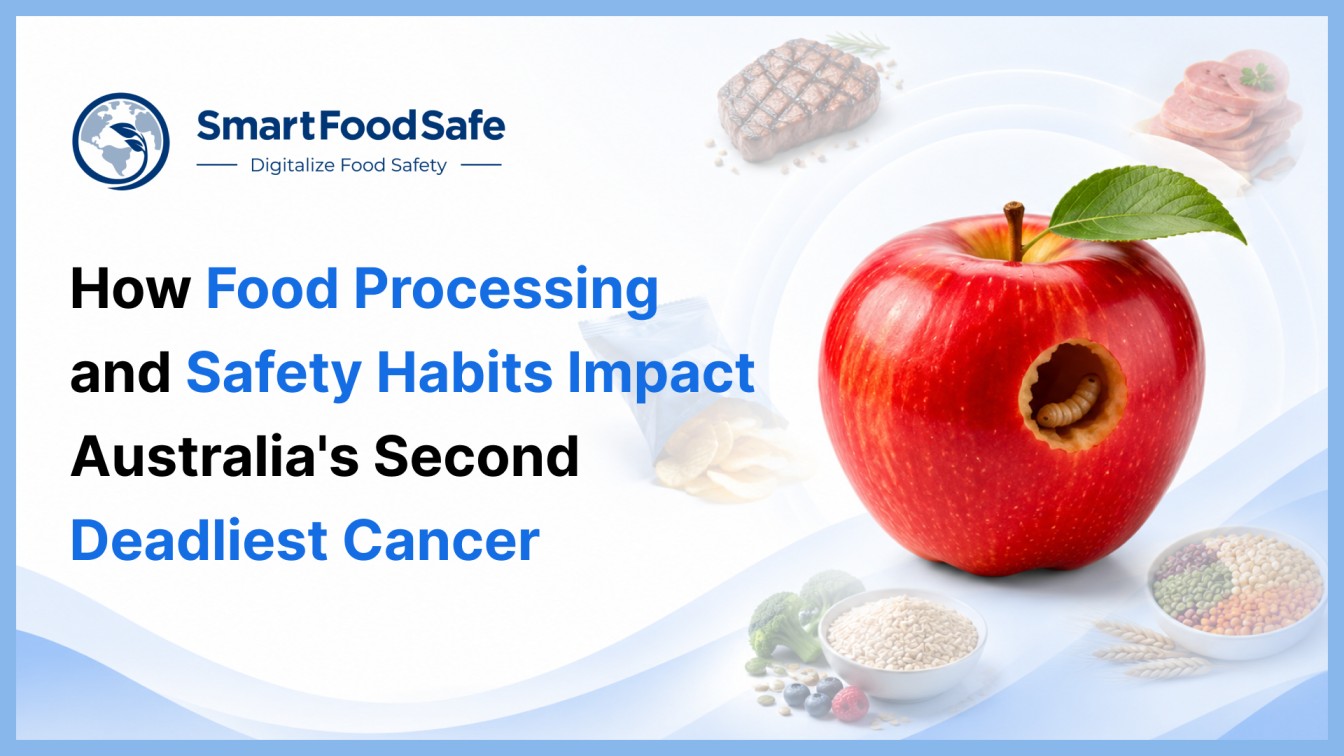
The bright red apple here symbolizes health and vitality. Yet a small worm has begun to bore into it, creating a hole that signals damage beneath the surface.

The logo functions as a powerful metaphor for early detection. The worm represents bowel cancer, while the apple's outline subtly mirrors the shape of a human bowel and, more broadly, our health. If left unchecked, the worm continues to burrow deeper, causing greater damage. But when discovered early, it can be removed before it destroys the fruit. In the same way, detecting bowel cancer in its earliest stages can dramatically improve outcomes and save lives.

Australia's Second Deadliest Cancer and the Generation That Never Saw It Coming

Bowel cancer claims nearly 6,000 Australian lives each year, making it the country's second leading cause of cancer-related death after lung cancer.

What is even more concerning is who is being affected. Bowel cancer rates are now two to three times higher among Australians born in the 1990s than among those born in the 1950s.

Such a significant increase within a relatively short period cannot be explained by genetics alone. Human genetics do not change dramatically over just a few decades. Instead, researchers are increasingly examining the role of modifiable risk factors, including dietary habits, physical activity levels, obesity, and broader lifestyle changes, as potential contributors to this concerning trend.

A large population study analysing three decades of Australian cancer registry data revealed a troubling trend: bowel cancer diagnoses among people under 50 increased by 5 to 9 per cent each year between 1990 and 2020. The result is a distinction no country wants to hold. Australia now has the highest rate of early-onset bowel cancer in the world, and bowel cancer has become the leading cause of cancer-related deaths among Australians aged 25 to 44.

The Myth: It's Just an Older Person's Disease

One of the most persistent misconceptions about bowel cancer is that it only affects older adults, particularly older men. In reality, this is no longer the case.

Bowel cancer can affect people at any age, and diagnoses in individuals under 50 are increasing. This shift is one of the key reasons behind Bowel Cancer Australia's #Never2Young campaign, which aims to raise awareness that younger people are not immune and are often diagnosed later because risk is underestimated.

In response to changing risk patterns, the National Bowel Cancer Screening Program expanded access from 1 July 2024, allowing Australians aged 45 to 49 to request a free home screening test kit.

Researchers at Mater describe this as a "birth cohort effect", where disease patterns reflect shared long-term lifestyle and dietary exposures within a generation. Many adults in their 30s and 40s grew up during a period of increased reliance on ultra-processed foods, lower fibre intake, and convenience-driven eating habits established early in life.

The Science Behind Bowel Cancer: How Food Influences Bowel Cancer Risk

Bowel cancer rarely develops overnight. In most cases, it emerges after years of repeated cellular damage, chronic inflammation, DNA mutations, and disruptions to the gut microbiome. While genetics play a role, research shows that diet and lifestyle significantly influence the biological processes that can either protect or damage the cells lining the colon.

1. Processed Meats: The N-Nitroso Compound Connection

Processed meats such as bacon, sausages, hot dogs, deli meats, and salami contain preservatives like nitrites and nitrates. During digestion, these compounds can react with proteins and haem iron to form N-nitroso compounds (NOCs).

NOCs are known to:

  • Damage the DNA of colon cells
  • Increase oxidative stress within the gut
  • Promote mutations that may accumulate over time
  • Interfere with normal cellular repair mechanisms

Repeated exposure can create an environment where damaged cells are more likely to survive and multiply rather than being eliminated naturally.

2. High-Temperature Cooking and Charred Meat

When meat is grilled, barbecued, pan-fried, or cooked over open flames, especially until heavily browned or charred, two groups of potentially carcinogenic compounds can form:

  • Heterocyclic Amines (HCAs)
  • Polycyclic Aromatic Hydrocarbons (PAHs)

These compounds are produced when amino acids, sugars, and fats react under intense heat. Inside the body, HCAs and PAHs can be metabolically activated into compounds capable of binding directly to DNA, creating mutations that may contribute to cancer development if cellular repair systems fail.

3. Ultra-Processed Foods and Microbiome Disruption

Many ultra-processed foods contain emulsifiers, artificial additives, stabilizers, and preservatives designed to improve texture and shelf life. Emerging research suggests these ingredients may:

  • Alter the composition of beneficial gut bacteria
  • Reduce microbial diversity
  • Increase intestinal permeability ("leaky gut")
  • Promote low-grade chronic inflammation

A healthy microbiome produces protective metabolites that help regulate immune responses and maintain the integrity of the intestinal lining. When this ecosystem becomes disrupted, the bowel may become more susceptible to inflammation and disease.

4. Low Fibre Intake: Starving Your Protective Gut Bacteria

Dietary fibre is not digested by humans. Instead, it serves as fuel for beneficial gut microbes. When bacteria ferment fibre, they produce short-chain fatty acids (SCFAs), particularly butyrate, which plays several protective roles:

  • Serves as the primary energy source for colon cells
  • Supports healthy cell turnover
  • Reduces inflammation
  • Helps maintain the integrity of the bowel lining
  • May suppress the growth of abnormal cells

Without sufficient fibre, production of these protective compounds decreases, leaving the colon more vulnerable to inflammation and cellular damage.

5. Alcohol and Acetaldehyde Exposure

Alcohol itself is not the primary concern. The problem lies in what happens when the body breaks it down. Alcohol metabolism produces acetaldehyde, a highly reactive compound classified as carcinogenic. Acetaldehyde can:

  • Damage DNA
  • Interfere with DNA repair pathways
  • Increase oxidative stress
  • Promote inflammation in gastrointestinal tissues

Regular alcohol consumption increases cumulative exposure to acetaldehyde, which may contribute to long-term bowel cancer risk.

6. Inactivity and Excess Body Weight

Physical inactivity and obesity contribute to cancer risk through several biological pathways that extend far beyond calorie intake. Excess body fat functions as an active endocrine organ, releasing inflammatory molecules and hormones that can influence cell growth. These changes may lead to:

  • Chronic systemic inflammation
  • Increased insulin resistance
  • Elevated insulin and IGF-1 levels
  • Increased cellular proliferation
  • Reduced apoptosis (natural removal of damaged cells)

Over time, these conditions create an environment that can support cancer development.

Food Safety Habits That May Reduce Bowel Cancer Risk

Bowel (colorectal) cancer risk is influenced not just by genetics and lifestyle, but also by long-term exposure to certain dietary compounds formed during cooking, processing, and digestion. Many of these risks sit at the intersection of food safety, food chemistry, and gut biology.

  1. Treat Processed Meats as Occasional Foods (Not Daily Staples)
    Processed meats (bacon, ham, salami, sausages) are classified as "discretionary foods" in dietary guidelines because of their processing chemistry. These products often contain nitrites and nitrates (E249–E252) used for preservation and colour stability, high salt content which affects gut lining integrity over time, and smoked or cured compounds that can form nitrosamines under heat or digestion. In the digestive tract, nitrites can interact with amines from protein breakdown to form N-nitroso compounds (NOCs) — compounds that can damage DNA in colon cells over long-term exposure, especially when intake is frequent.

  2. Avoid Charring, Burning, and Repeated High-Heat Cooking of Meats
    When meat is cooked at very high temperatures (grilling, barbecuing, pan-frying until blackened), chemical reactions change protein and fat structures, producing heterocyclic amines (HCAs) from amino acid breakdown and polycyclic aromatic hydrocarbons (PAHs) from fat dripping onto flames. Both are considered genotoxic compounds that can interact with DNA and increase mutation risk in colon cells when exposure is repeated over time. Even sausages and minced meats are not exempt — smaller surface area means faster overheating and fat distribution increases PAH formation during grilling.

  3. Read Ingredient Labels, Especially Preservative Codes and Processing Intensity
    Food safety is not only about visible spoilage — it also includes chemical additives used for shelf stability and microbial control. Codes like E249–E250 (nitrites) and E251–E252 (nitrates) are tightly regulated but their risk relevance is dose-dependent over time, not per serving. Highly processed meats typically undergo curing, smoking, and emulsification — each step reduces microbial risk but may increase exposure to processing-derived chemical byproducts.

  4. Choose Fresh, Minimally Processed Foods to Support Gut Microbial Balance
    Fresh foods (vegetables, legumes, fruits, whole grains) actively influence gut ecology. Dietary fibre acts as a substrate for beneficial gut bacteria, fermentation of fibre produces short-chain fatty acids (SCFAs) like butyrate, and butyrate helps maintain the integrity of the colon lining and reduces inflammation pathways. In contrast, low-fibre, high-processed diets can reduce microbial diversity — associated with increased gut inflammation, reduced mucosal protection, and higher susceptibility to carcinogenic damage over time.

  5. Prioritise Fibre Every Day (It Acts as a Biological Protective Mechanism)
    Dietary fibre speeds up intestinal transit to reduce contact time between carcinogens and the colon wall, binds and dilutes harmful compounds in the gut, and supports production of SCFAs that regulate inflammation and cell repair. High-fibre foods include whole grains (oats, brown rice), legumes (lentils, chickpeas), and vegetables and fruits. Public health guidelines often recommend around 5 servings of vegetables + 2 servings of fruit daily. Fibre helps "flush out" and neutralize dietary byproducts before they can exert harm.

  6. Avoid Cross-Contamination Between Raw Meats and Ready-to-Eat Foods
    While not directly cancer-causing, poor hygiene can increase exposure to pathogenic bacteria (e.g., E. coli, Salmonella), which can cause chronic gut inflammation if repeated.

  7. Store and Reheat Foods Safely to Avoid Chemical and Microbial Changes
    Improper storage (especially of cooked meats) can promote bacterial toxin formation and oxidation of fats leading to inflammatory byproducts. Reheating until steaming hot reduces microbial risk but repeated reheating can also degrade food quality.

  8. Balance Cooking Methods — Include Moist Heat Techniques
    Boiling, steaming, stewing, and slow cooking reduce formation of HCAs and PAHs, maintain nutrient stability, and lower oxidative stress compounds compared to dry high-heat cooking.

Also Read: 10 Common Food Safety Mistakes and How to Avoid Them

Support Red Apple Day on 17 June at bowelcanceraustralia.org by donating, fundraising, or sharing this message with someone who may not yet see bowel cancer as a personal risk.

What You Can Do

Red Apple Day, 17 June 2026, is Bowel Cancer Australia's annual giving day focused on prevention, research, and care that saves lives. But awareness also extends beyond support. It lives in the everyday choices that shape long term health.

The worm in the apple is catchable. Early detection gives a near 99 percent treatment success rate. But the food choices made daily, years before a diagnosis and often without any awareness of consequence, are where the story of bowel cancer in Australia truly begins.

This Red Apple Day, awareness is not only about understanding science but also to act upon. Food safety and bowel cancer are connected through the everyday decisions that shape long term health, quietly and consistently over time.

Donate, fundraise, or share this Red Apple Day. Every action helps close the gap between what is possible and what is happening for the 6,000 Australians lost to bowel cancer each year.

DMS stands for Document Management System. It is a software platform that facilitates the storage, organization, retrieval, and management of digital documents and files. DMS helps streamline document workflows, improve collaboration, enhance security, and provide efficient access to information within an organization.

A centralized document repository is a single, organized location where various types of documents and files are stored and managed. It serves as a central hub for storing, accessing, and sharing documents, providing a convenient and secure way to store and retrieve information within an organization or a specific project.

A digital document management system offers numerous benefits, including improved document organization, easy access and retrieval, enhanced collaboration and version control, increased data security, streamlined workflows, reduced physical storage needs, and improved regulatory compliance.

Common challenges in managing compliance documentation include: keeping up with changing regulations, organizing and storing large volumes of documents, ensuring accuracy and completeness, coordinating updates across multiple departments, and maintaining accessibility for audits or inspections.

An ideal document management system for the food industry should have features like version control, access controls, document classification, audit trails, search functionality, integration with existing systems, compliance with food safety regulations, and the ability to handle various file types (e.g., recipes, quality control documents, certificates).

Quality and Food Safety Management Software

Food Safety and Quality Management Software to streamline processes, track compliance, ensure traceability and maintain audit readiness with global quality and food safety standards

Quality and Food Safety Management Software

Food Safety and Quality Management Software to streamline processes, track compliance, ensure traceability and maintain audit readiness with global quality and food safety standards
1