


 English
▾
English
▾
English
▾
English
▾
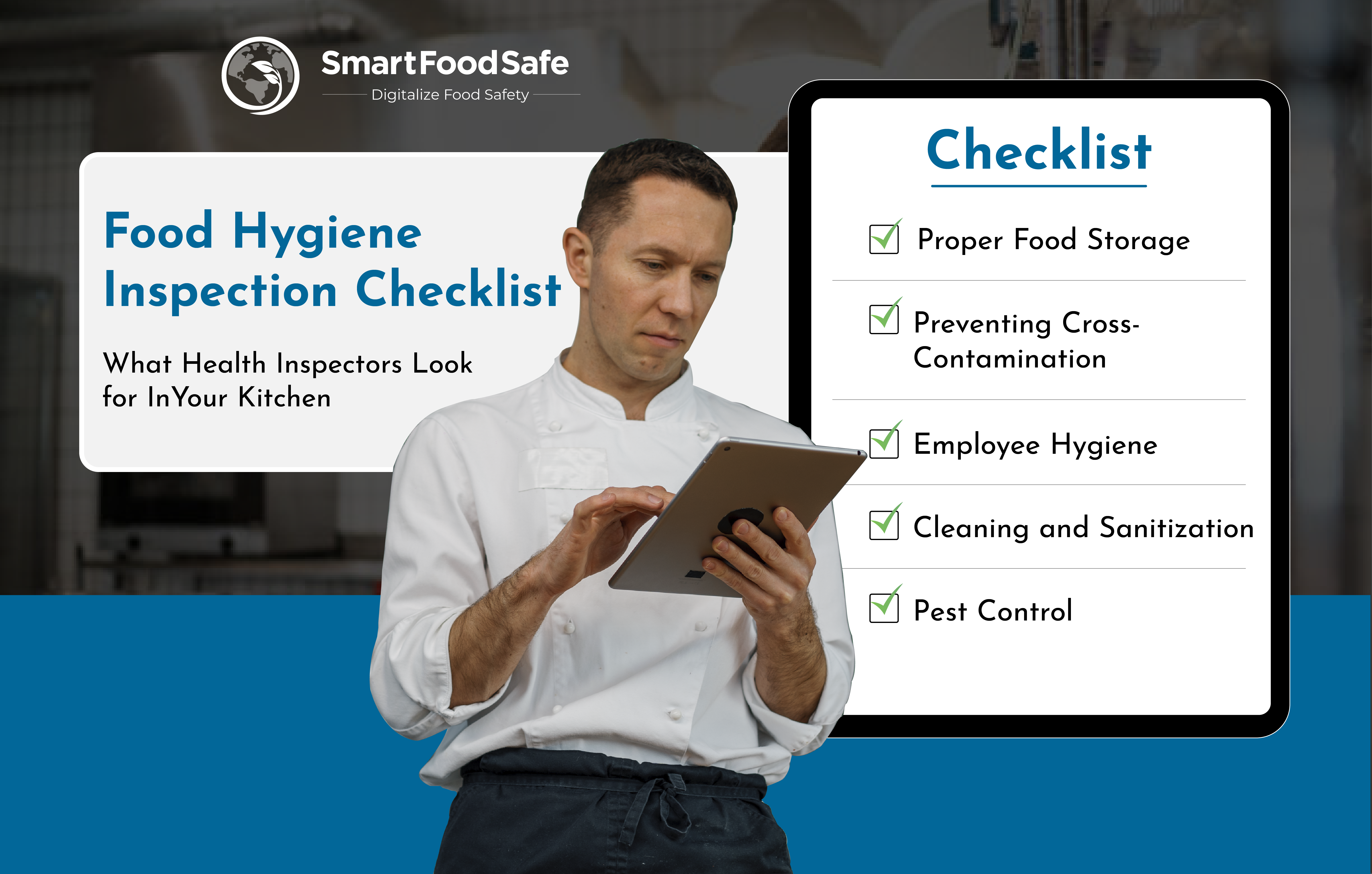
Food hygiene inspections: a hurdle or an opportunity to revamp your operations for the best outcomes?
Food hygiene inspections play an integral role in keeping food businesses safe and sanitary to prevent foodborne illnesses and safeguard the business’s reputation. Learn how to navigate the health inspection process by understanding what inspectors focus on and adopting the right strategies to always be prepared. Here’s a comprehensive look at what to prioritize to ace Food hygiene inspections and how you can turn these processes into elements to elevate your operations.
By meeting or exceeding inspection standards, establishments build trust with customers, fostering loyalty and setting themselves apart in the competitive food service industry. While they may sometimes feel daunting, they’re not just about compliance — they’re about creating a safe dining experience for your customers and fostering trust in your business.
When health inspectors visit your establishment, they assess several critical aspects of food safety and hygiene. Here are the primary points of focus:
Food storage practices are among the most scrutinized areas during Food hygiene inspections. Why? Because improper storage can lead to cross-contamination, one of the leading causes of foodborne illnesses. Here’s what inspectors look for:
Time and temperature control is another vital area inspectors focus on because it directly impacts food safety. Certain foods can harbor harmful bacteria if kept in the “temperature danger zone” (41°F to 135°F) for extended periods. To stay compliant:
Cross-contamination occurs when pathogens transfer from one surface, food, or utensil to another. This can happen during storage, preparation, or serving. Key practices to avoid it include:
Your team’s personal hygiene is critical for maintaining a safe environment and will be closely monitored by inspectors. Key hygiene practices include:
Cleanliness isn’t just about appearances; it’s about safety. Proper cleaning and sanitization practices reduce bacteria on surfaces to safe levels. Inspectors will check:
Pests pose a significant threat to food safety. During inspections, officials will look for signs of pest activity, such as droppings or nests, and evaluate your pest management practices. To keep pests at bay:
Each focus area contributes to preventing foodborne illnesses, protecting customer health, and maintaining your establishment’s reputation. Rather than viewing inspections as a chore, treat them as a strategic opportunity to refine your operations, strengthen your team, and boost customer confidence. Here’s how:
a. Elevate Customer Trust: A clean, well-maintained establishment sends a powerful message to your customers — their health and safety are your top priorities. A glowing health inspection report can become a marketing tool, reassuring patrons that they’re dining in a safe environment.
b. Showcase Operational Excellence: Food hygiene inspections provide a structured assessment of your processes. Use the feedback to identify gaps and improve efficiency. Highlighting strong inspection results in customer-facing communications builds credibility.
c. Empower Your Team: Engaging employees in food safety protocols fosters a culture of accountability and excellence. When staff understand the “why” behind regulations, they’re more likely to adhere to them diligently. Leverage inspections as a teaching moment to reinforce their role in protecting public health.
d. Prevent Costly Penalties: Non-compliance can result in hefty fines, temporary closures, or even permanent damage to your reputation. Staying inspection-ready minimizes these risks and positions your business as a trusted, reliable choice in the industry.
e. Set Yourself Apart: Consistently strong performance during inspections can differentiate your establishment in a competitive market. Consider displaying your inspection scores publicly or integrating them into your marketing materials.
f. Demonstrate Proactivity: Proactively maintaining high standards shows regulators, customers, and stakeholders that you take compliance seriously. This approach can also lead to a smoother, less invasive inspection process in the future.
Smart Food Safe can be your essential digital companion for maintaining daily inspection readiness with the following capabilities to help you stay ahead:
Invest in Technology for Precision: Replace manual monitoring with Smart Record’s automated features, from monitoring time and temperature controls to logging cleaning schedules with IoT and Bluetooth integrations, simplifying labor-intensive tasks, reducing errors, and saving time.
Leverage a Comprehensive Self-Inspection Checklist: Smart Audit provides a fully customizable, digital checklist that empowers you to conduct regular self-assessments. It helps identify and address potential issues before they escalate, ensuring proactive management.
Train Your Team Effectively: With the aid of Smart Training, businesses can keep their employees updated on food safety practices with adequate training sessions. With detailed instructions and automated reminders, your team will stay aligned with regulatory requirements.
Maintain Accurate Digital Documents: Forget paper logs. Smart Docs ensures meticulous digital documentation of temperatures, cleaning schedules, and pest control measures. With instant access and easy retrieval, your records will always be audit-ready.
Enable Real-Time Insights: The platform delivers immediate data analytics, allowing you to pinpoint areas of concern, take corrective actions swiftly, and uphold compliance effortlessly.
By embedding Smart Food Safe as a part of your operations, you’re not just inspection-ready; you’re setting a new standard for better food safety management.

 French
 Spanish
 Portuguese