


 English
▾
English
▾
English
▾
English
▾

Picture this: you own a bustling food service establishment, where every dish you serve brings smiles to your customers’ faces. But imagine the unthinkable happens—one of your patrons falls ill after dining at your restaurant. This is every restaurateur’s worst nightmare. How can you ensure it never becomes your reality?
In the world of food service, the essential formula for food safety is a meticulous blend of practices, technologies, and vigilance that together create a fortress against foodborne illnesses. Here we unveil the integral elements of this formula, ensuring that food safety is not just a promise, but a guarantee.
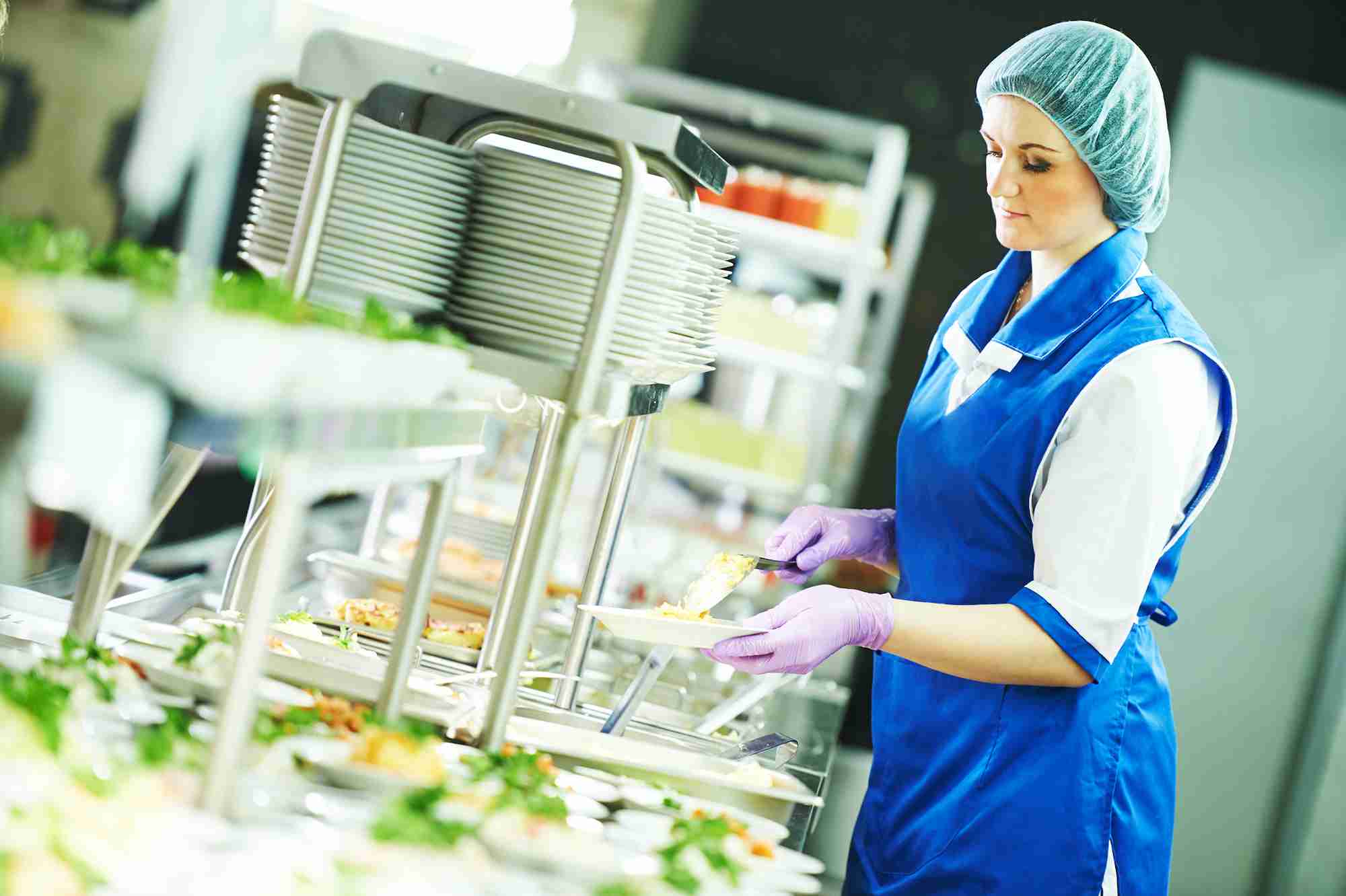
Ensuring food safety in the food service industry is a multifaceted endeavor that requires a comprehensive approach encompassing various elements. Each component plays a critical role in maintaining the safety and quality of food served at a food service establishment. Here are the key elements to ensure food safety in the food service industry:
Correct food handling and storage practices are vital to prevent contamination and spoilage. Train your staff in proper food handling techniques to prevent cross-contamination and foodborne illnesses. Ensure all staff members adhere to strict personal hygiene practices, including regular hand washing, wearing clean uniforms, and using hair restraints.
This involves proper temperature control, from receiving and storing raw ingredients to preparing and serving finished dishes. Implementing a first-in, first-out (FIFO) inventory system helps ensure that older stock is used before newer stock, reducing the risk of using expired products. Maintain proper temperature controls for storing, cooking, and serving food to inhibit the growth of harmful bacteria.
Maintaining high standards of sanitation and hygiene is crucial in preventing foodborne illnesses. This includes regular cleaning and sanitizing of food contact surfaces, equipment, and utensils. Proper waste management and pest control measures are also vital to maintaining a hygienic environment.
A well-trained workforce is essential for implementing effective food safety practices. Continuous training programs on hygiene, food handling, and safety protocols ensure that employees are knowledgeable about the latest safety standards and best practices. Training should cover critical areas such as proper handwashing techniques, safe food storage, cross-contamination prevention, and allergen management.
The HACCP system is a proactive approach to identifying and managing potential hazards in food production processes. By identifying critical control points (CCPs) and establishing monitoring procedures, food service establishments can prevent, eliminate, or reduce food safety hazards to acceptable levels. Regularly reviewing and updating HACCP plans ensures they remain effective and relevant.
Ensuring the safety and quality of raw materials begins with supplier verification. Establishing relationships with reputable suppliers and conducting regular audits helps ensure that the ingredients used meet safety standards. Implementing traceability systems allows food service establishments to track ingredients from their source to the final product, facilitating quick responses to any safety concerns or recalls.
Smart Food Safe’s food safety management software is designed to simplify and enhance your food safety practices, ensuring your establishment remains compliant and your customers safe.
Real-Time Monitoring: Smart Food Safe provides real-time monitoring of critical control points, such as temperature and humidity levels, using IoT sensors. This ensures immediate detection of any deviations from safe standards, allowing for prompt corrective actions.
Digital Record-Keeping: Replace cumbersome paper logs with Smart Food Safe’s digital record-keeping system. Easily track and retrieve records for audits and inspections, ensuring transparency and compliance.
Automated Alerts and Reminders: The software sends automated alerts and reminders for scheduled tasks, such as equipment maintenance, cleaning schedules, and staff training, ensuring nothing falls through the cracks.
Comprehensive Reporting: Generate detailed reports with just a few clicks. Smart Food Safe’s software provides insights into your food safety practices, helping you identify trends, and areas for improvement, and ensure regulatory compliance.
Staff Training and Compliance: Smart Food Safe offers integrated training modules and compliance tracking, ensuring your staff is always up-to-date with the latest food safety regulations and practices.
Cracking the code for food safety in the food service industry is an ongoing process that requires dedication, vigilance, and the right tools. By understanding the basics, implementing a robust FSMS, leveraging technology, training employees, conducting regular inspections, building a culture of food safety, and staying updated with regulations, food service establishments can ensure the safety and satisfaction of their customers. After all, nothing is more rewarding than knowing every meal served is both delicious and safe.

 French
 Spanish
 Portuguese