


Deviation Management
Deviation Management
Deviation management is a systematic approach vital for maintaining quality in pharmaceutical processes. It involves identifying, analyzing, resolving, and documenting events that deviate from established protocols during the development, manufacturing, and commercialization of products. This process ensures the safety and quality of pharmaceutical products, making it a crucial component of Quality Management Systems (QMS) in the industry.
What is a Deviation?
A deviation is any departure from approved processes, procedures, instructions, specifications, or established standards. In the pharmaceutical industry, deviations can occur at various stages, including drug development, manufacturing, labeling, packing, sampling, testing, storage, and distribution. The definition of deviations can vary slightly based on regulatory authorities and their specific requirements.
ISO 9001:2015: Describes deviations as positive or negative effects resulting from divergence from expected or established standards.
ICH Q7 GMP Guide: Defines a deviation as a departure from an approved instruction or established standard.
FDA: Considers a deviation as a result that falls outside the expected range or fails to meet specific requirements.
Defining Deviation Management
Deviation management is the process of systematically identifying, assessing, and addressing deviations from approved instructions or established standards. Its primary goal is to promptly identify, investigate, and resolve deviations, ensuring the production of safe, high-quality, and effective pharmaceutical products. Effective deviation management helps companies maintain their market reputation and comply with regulatory requirements.
Types of Deviations
Deviations are classified into two main types: planned and unplanned.
- Planned Deviations:
- Pre-approved and intentional deviations from standard procedures.
- Used for process improvement, method validation, or temporary process changes.
- Examples include testing alternative raw materials or adopting new testing methods.
- Managed through change control and change request processes to ensure control, traceability, and documentation.
- Unplanned Deviations:
- Unintentional departures from approved procedures.
- Can result from equipment malfunctions, employee errors, or environmental events.
- Require prompt investigation to identify root causes and prevent recurrence.
- Managed through Corrective and Preventive Action (CAPA) processes to mitigate immediate impacts and develop preventive measures.
Risk-Based Categorization of Deviations
Deviations are categorized based on their risk levels to assess their potential impact on product quality, patient safety, and regulatory compliance. The categorization varies based on the product, industry requirements, and the company’s risk management needs. Common categories include:
- Incidents: Unplanned events with no direct impact on manufacturing or product quality.
- Minor Deviations: Have a limited impact on product quality or regulatory compliance.
- Major Deviations: Significantly impact product quality and regulatory requirements.
- Critical Deviations: Severe non-conformance posing meaningful risks to product quality, patient safety, or regulatory compliance.
Key Components of an Effective Deviation Management System
- Clear Policies and Procedures:
- Establish well-defined policies and Standard Operating Procedures (SOPs) for managing deviations.
- Ensure these policies are easily accessible to all relevant personnel.
- Established Roles and Responsibilities:
- Define specific roles and responsibilities for identifying, reporting, investigating, and resolving deviations.
- Assign accountability and ownership to ensure effective communication and timely resolution.
- Training and Competency:
- Provide regular training and competency assessments for employees involved in deviation management.
- Cover organizational policies, regulatory obligations, and industry best practices.
- Documentation and Recordkeeping:
- Maintain comprehensive records of deviations, investigations, and corrective actions.
- Use standardized forms to ensure consistent information capture.
- Reporting and Tracking:
- Implement structured reporting and tracking mechanisms for deviations.
- Utilize incident management software for real-time tracking and data analysis.
- CAPA and Root Cause Analysis:
- Conduct thorough root cause analysis using techniques like Fishbone Diagrams or the 5 Whys.
- Implement appropriate CAPA to address root causes and prevent recurrence.
- Regularly evaluate the effectiveness of CAPA to ensure continuous improvement.
By integrating these components, pharmaceutical companies can create an effective deviation management system that enhances product quality, ensures regulatory compliance, and fosters continuous improvement.
Smart CAPA to Aid Your Enterprise Build a Strong Deviation Management System
Smart CAPA is a powerful software solution that streamlines and automates the Corrective And Preventive Action (CAPA) process for enterprises. By digitizing deviation management, Smart CAPA enables efficient root cause analysis and effective issue resolution to enhance overall quality and compliance. The software supports comprehensive solutions for addressing all deviation types, including customer complaints, product holds, and process deviations. It employs systematic root cause analysis tools like 5 Whys and Fishbone diagrams to identify underlying issues.
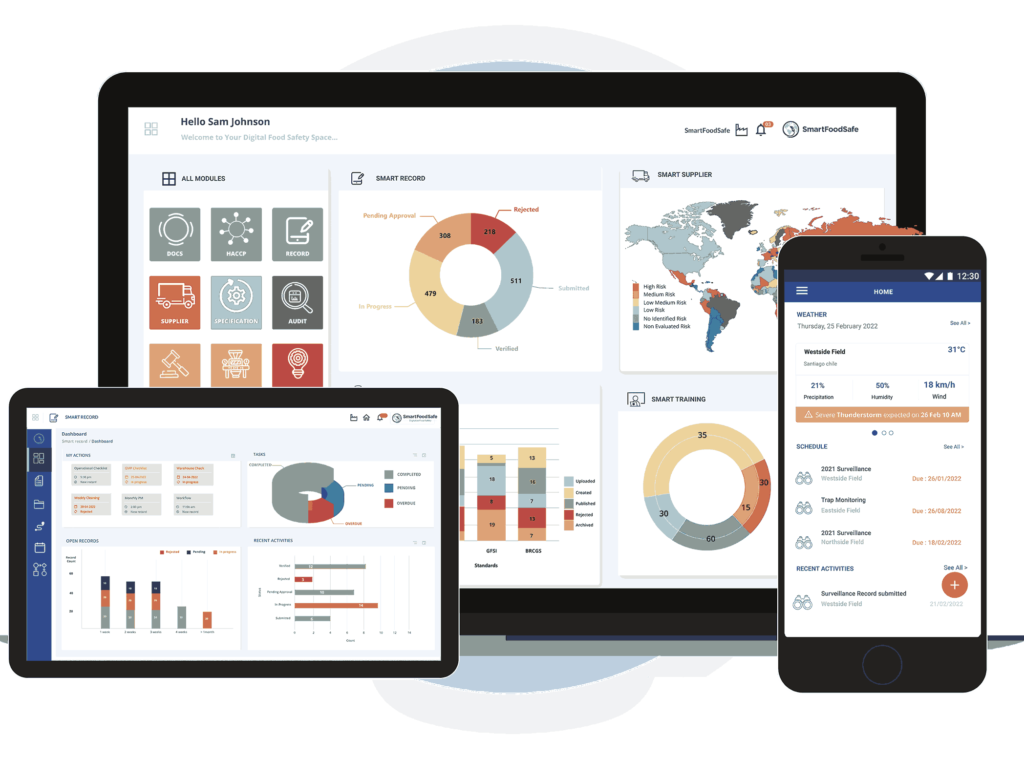
Smart CAPA assigns corrective actions to responsible users with due dates, monitors progress in real-time and evaluates the effectiveness of actions to prevent a recurrence. With a centralized dashboard, custom reporting, and data analytics, Smart CAPA provides valuable insights to drive continuous improvement. By streamlining the CAPA process, Smart CAPA helps enterprises build a strong deviation management system that ensures product quality, regulatory compliance, and customer satisfaction.
https://www.youtube.com/watch?v=TrO_69dT0rs
Receive Quality Management Updates
Subscribe Today!
Deviation Management
Deviation management is a systematic approach vital for maintaining quality in pharmaceutical processes. It involves identifying, analyzing, resolving, and documenting events that deviate from established protocols during the development, manufacturing, and commercialization of products. This process ensures the safety and quality of pharmaceutical products, making it a crucial component of Quality Management Systems (QMS) in the industry.
What is a Deviation?
A deviation is any departure from approved processes, procedures, instructions, specifications, or established standards. In the pharmaceutical industry, deviations can occur at various stages, including drug development, manufacturing, labeling, packing, sampling, testing, storage, and distribution. The definition of deviations can vary slightly based on regulatory authorities and their specific requirements.
ISO 9001:2015: Describes deviations as positive or negative effects resulting from divergence from expected or established standards.
ICH Q7 GMP Guide: Defines a deviation as a departure from an approved instruction or established standard.
FDA: Considers a deviation as a result that falls outside the expected range or fails to meet specific requirements.
Defining Deviation Management
Deviation management is the process of systematically identifying, assessing, and addressing deviations from approved instructions or established standards. Its primary goal is to promptly identify, investigate, and resolve deviations, ensuring the production of safe, high-quality, and effective pharmaceutical products. Effective deviation management helps companies maintain their market reputation and comply with regulatory requirements.
Types of Deviations
Deviations are classified into two main types: planned and unplanned.
- Planned Deviations:
- Pre-approved and intentional deviations from standard procedures.
- Used for process improvement, method validation, or temporary process changes.
- Examples include testing alternative raw materials or adopting new testing methods.
- Managed through change control and change request processes to ensure control, traceability, and documentation.
- Unplanned Deviations:
- Unintentional departures from approved procedures.
- Can result from equipment malfunctions, employee errors, or environmental events.
- Require prompt investigation to identify root causes and prevent recurrence.
- Managed through Corrective and Preventive Action (CAPA) processes to mitigate immediate impacts and develop preventive measures.
Risk-Based Categorization of Deviations
Deviations are categorized based on their risk levels to assess their potential impact on product quality, patient safety, and regulatory compliance. The categorization varies based on the product, industry requirements, and the company’s risk management needs. Common categories include:
- Incidents: Unplanned events with no direct impact on manufacturing or product quality.
- Minor Deviations: Have a limited impact on product quality or regulatory compliance.
- Major Deviations: Significantly impact product quality and regulatory requirements.
- Critical Deviations: Severe non-conformance posing meaningful risks to product quality, patient safety, or regulatory compliance.
Key Components of an Effective Deviation Management System
- Clear Policies and Procedures:
- Establish well-defined policies and Standard Operating Procedures (SOPs) for managing deviations.
- Ensure these policies are easily accessible to all relevant personnel.
- Established Roles and Responsibilities:
- Define specific roles and responsibilities for identifying, reporting, investigating, and resolving deviations.
- Assign accountability and ownership to ensure effective communication and timely resolution.
- Training and Competency:
- Provide regular training and competency assessments for employees involved in deviation management.
- Cover organizational policies, regulatory obligations, and industry best practices.
- Documentation and Recordkeeping:
- Maintain comprehensive records of deviations, investigations, and corrective actions.
- Use standardized forms to ensure consistent information capture.
- Reporting and Tracking:
- Implement structured reporting and tracking mechanisms for deviations.
- Utilize incident management software for real-time tracking and data analysis.
- CAPA and Root Cause Analysis:
- Conduct thorough root cause analysis using techniques like Fishbone Diagrams or the 5 Whys.
- Implement appropriate CAPA to address root causes and prevent recurrence.
- Regularly evaluate the effectiveness of CAPA to ensure continuous improvement.
By integrating these components, pharmaceutical companies can create an effective deviation management system that enhances product quality, ensures regulatory compliance, and fosters continuous improvement.
Smart CAPA to Aid Your Enterprise Build a Strong Deviation Management System
Smart CAPA is a powerful software solution that streamlines and automates the Corrective And Preventive Action (CAPA) process for enterprises. By digitizing deviation management, Smart CAPA enables efficient root cause analysis and effective issue resolution to enhance overall quality and compliance. The software supports comprehensive solutions for addressing all deviation types, including customer complaints, product holds, and process deviations. It employs systematic root cause analysis tools like 5 Whys and Fishbone diagrams to identify underlying issues.
Smart CAPA assigns corrective actions to responsible users with due dates, monitors progress in real-time and evaluates the effectiveness of actions to prevent a recurrence. With a centralized dashboard, custom reporting, and data analytics, Smart CAPA provides valuable insights to drive continuous improvement. By streamlining the CAPA process, Smart CAPA helps enterprises build a strong deviation management system that ensures product quality, regulatory compliance, and customer satisfaction.
https://www.youtube.com/watch?v=TrO_69dT0rs