


What is an LXP?
What is a LXP?
As technology continues to reshape the landscape of digital learning, Learning Experience Platforms (LXPs) have emerged as a significant innovation. These AI-driven platforms have quickly become an integral part of the online learning environment, providing a more personalized and user-centered approach to professional development.
The rapid adoption of LXPs can be attributed to their ability to offer comprehensive, individualized learning experiences. Unlike traditional learning systems, LXPs put learners in the driver’s seat, allowing them to set their own goals and engage with content tailored to their specific needs and interests. This makes LXPs particularly effective for self-paced, online learning.
Defining Learning Experience Platform (LXP)
A Learning Experience Platform (LXP) is a software solution that leverages AI to create customized learning experiences, helping users discover relevant educational content more efficiently. LXPs often resemble popular social media or multimedia sites in their design, making them accessible across various digital devices, including desktops and mobile apps.
Key Features of an LXP
While each LXP has its unique characteristics, several core features are essential for a robust learning experience:
- Curated Content: LXPs utilize machine learning and AI to curate content that is tailored to each individual. By tagging and indexing internal or third-party content, the platform can make personalized recommendations based on the user’s role, skills, interests, and viewing history.
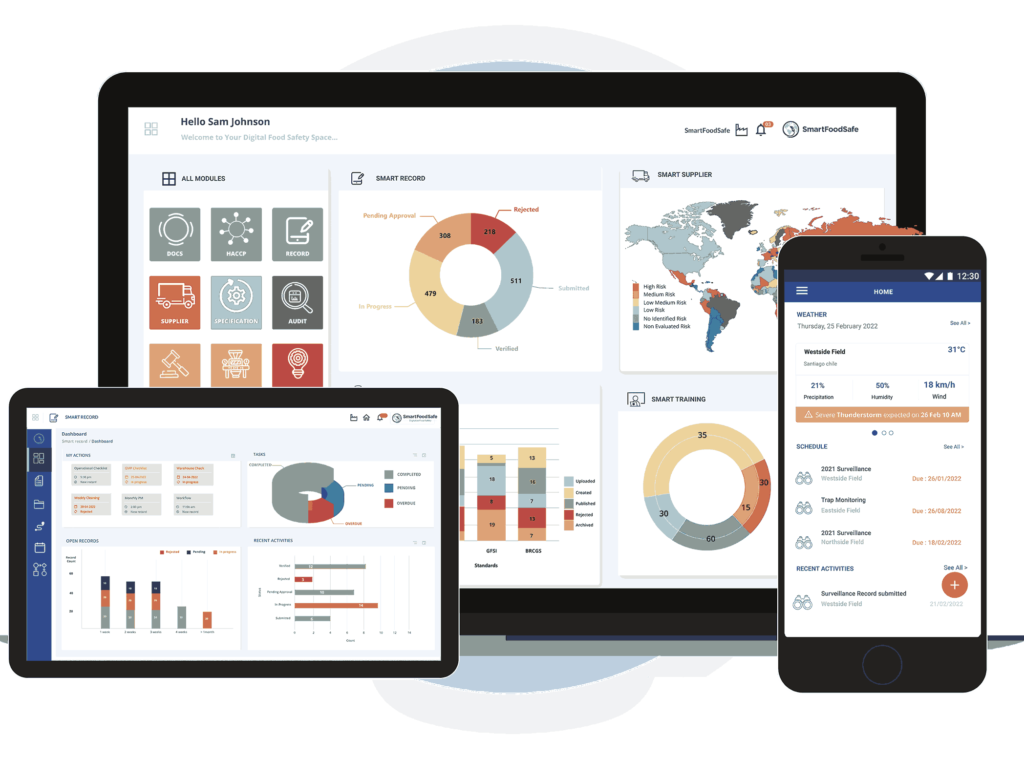
- Analytics: LXPs include built-in analytics tools that display data in dashboards, allowing users to track their progress toward learning goals. Administrators can also access data to understand usage trends and how learners interact with the platform.
- Integration with External Platforms: High-quality LXPs seamlessly integrate with an organization’s third-party applications, such as CRM or ERP systems, intranets, and even external learning platforms like LinkedIn Learning.
- Content Creation: Many LXPs allow users to generate and share their own content, such as videos, images, and documents. This user-generated content can be commented on and interacted with by other users, fostering a collaborative learning environment.
- Chatbots: Some LXPs incorporate AI-powered chatbots that are available 24/7 to assist learners in finding content or completing tasks.
- Gamification: LXPs often include gamification elements like leaderboards, badges, and special privileges to increase engagement by introducing a competitive element. However, participation in these activities is optional.
What an LXP Does
The defining features of an LXP revolve around content aggregation, tagging, predictive user experience, and user control:
- Content Aggregation: LXPs serve as portals to both informal and formal content across various systems, unlike LMSs that typically store course materials internally.
- Content Tagging: Effective content tagging using an organization’s metadata schema is crucial for ensuring the LXP’s effectiveness.
- Predictive User Experience: LXPs use predictive logic to highlight content that is likely to be relevant to the user, based on factors like job role, interests, and past interactions.
- User Control: LXPs empower users to set their own learning goals, perform skill assessments, and create personalized learning plans.
LXP vs. LMS
The traditional Learning Management System (LMS) is essentially a centralized repository of internal digital assets, where training and development professionals manage the delivery of corporate programs. LMS administrators control course registrations, share resources, and monitor compliance training, with little input from users on the content they consume.
In contrast, an LXP offers a more decentralized approach, empowering learners to explore a wide range of internal and external content sources. While an LMS is like a library with fixed resources, an LXP extends beyond those walls, giving users access to a broader spectrum of learning opportunities.
Four Key Trends Driving the Need for LXPs
- A Broader View of Learning: Modern learning is increasingly informal, micro, social, immersive, experiential, and adaptive. While LMSs are effective for managing structured courses, they struggle with more dynamic content like knowledge bases, eBooks, and social networks. LXPs bridge this gap by connecting learners with diverse content types.
- Shift Toward Self-Directed Learning: As organizations encourage employees to take ownership of their professional development, LXPs provide the support needed for self-directed learning, moving away from traditional, prescriptive training models.
- Focus on User Experience: Users often find LMS interfaces frustrating and difficult to navigate. LXPs, inspired by the user-friendly designs of popular retail sites, offer intuitive interfaces and more relevant content discovery.
- Advances in Machine Learning: Machine learning has significantly enhanced LXPs’ ability to deliver personalized content, offering better search results and recommendations based on smaller, more precise data sets.
Ultimately, LXPs are becoming a valuable addition to an organization’s learning technology ecosystem. While they do not replace LMSs, LXPs enhance the learning experience by providing users with access to personally relevant content, both within and beyond the organization’s existing resources. By putting learners in control and leveraging AI-driven personalization, LXPs are paving the way for the future of professional development.
https://www.youtube.com/watch?v=TrO_69dT0rs
Receive Quality Management Updates
Subscribe Today!
What is a LXP?
As technology continues to reshape the landscape of digital learning, Learning Experience Platforms (LXPs) have emerged as a significant innovation. These AI-driven platforms have quickly become an integral part of the online learning environment, providing a more personalized and user-centered approach to professional development.
The rapid adoption of LXPs can be attributed to their ability to offer comprehensive, individualized learning experiences. Unlike traditional learning systems, LXPs put learners in the driver’s seat, allowing them to set their own goals and engage with content tailored to their specific needs and interests. This makes LXPs particularly effective for self-paced, online learning.
Defining Learning Experience Platform (LXP)
A Learning Experience Platform (LXP) is a software solution that leverages AI to create customized learning experiences, helping users discover relevant educational content more efficiently. LXPs often resemble popular social media or multimedia sites in their design, making them accessible across various digital devices, including desktops and mobile apps.
Key Features of an LXP
While each LXP has its unique characteristics, several core features are essential for a robust learning experience:
- Curated Content: LXPs utilize machine learning and AI to curate content that is tailored to each individual. By tagging and indexing internal or third-party content, the platform can make personalized recommendations based on the user’s role, skills, interests, and viewing history.
- Analytics: LXPs include built-in analytics tools that display data in dashboards, allowing users to track their progress toward learning goals. Administrators can also access data to understand usage trends and how learners interact with the platform.
- Integration with External Platforms: High-quality LXPs seamlessly integrate with an organization’s third-party applications, such as CRM or ERP systems, intranets, and even external learning platforms like LinkedIn Learning.
- Content Creation: Many LXPs allow users to generate and share their own content, such as videos, images, and documents. This user-generated content can be commented on and interacted with by other users, fostering a collaborative learning environment.
- Chatbots: Some LXPs incorporate AI-powered chatbots that are available 24/7 to assist learners in finding content or completing tasks.
- Gamification: LXPs often include gamification elements like leaderboards, badges, and special privileges to increase engagement by introducing a competitive element. However, participation in these activities is optional.
What an LXP Does
The defining features of an LXP revolve around content aggregation, tagging, predictive user experience, and user control:
- Content Aggregation: LXPs serve as portals to both informal and formal content across various systems, unlike LMSs that typically store course materials internally.
- Content Tagging: Effective content tagging using an organization’s metadata schema is crucial for ensuring the LXP’s effectiveness.
- Predictive User Experience: LXPs use predictive logic to highlight content that is likely to be relevant to the user, based on factors like job role, interests, and past interactions.
- User Control: LXPs empower users to set their own learning goals, perform skill assessments, and create personalized learning plans.
LXP vs. LMS
The traditional Learning Management System (LMS) is essentially a centralized repository of internal digital assets, where training and development professionals manage the delivery of corporate programs. LMS administrators control course registrations, share resources, and monitor compliance training, with little input from users on the content they consume.
In contrast, an LXP offers a more decentralized approach, empowering learners to explore a wide range of internal and external content sources. While an LMS is like a library with fixed resources, an LXP extends beyond those walls, giving users access to a broader spectrum of learning opportunities.
Four Key Trends Driving the Need for LXPs
- A Broader View of Learning: Modern learning is increasingly informal, micro, social, immersive, experiential, and adaptive. While LMSs are effective for managing structured courses, they struggle with more dynamic content like knowledge bases, eBooks, and social networks. LXPs bridge this gap by connecting learners with diverse content types.
- Shift Toward Self-Directed Learning: As organizations encourage employees to take ownership of their professional development, LXPs provide the support needed for self-directed learning, moving away from traditional, prescriptive training models.
- Focus on User Experience: Users often find LMS interfaces frustrating and difficult to navigate. LXPs, inspired by the user-friendly designs of popular retail sites, offer intuitive interfaces and more relevant content discovery.
- Advances in Machine Learning: Machine learning has significantly enhanced LXPs’ ability to deliver personalized content, offering better search results and recommendations based on smaller, more precise data sets.
Ultimately, LXPs are becoming a valuable addition to an organization’s learning technology ecosystem. While they do not replace LMSs, LXPs enhance the learning experience by providing users with access to personally relevant content, both within and beyond the organization’s existing resources. By putting learners in control and leveraging AI-driven personalization, LXPs are paving the way for the future of professional development.
https://www.youtube.com/watch?v=TrO_69dT0rs